For industries dealing with bulk materials like coconut shell powder, efficient and reliable material handling is crucial. A pneumatic conveying system, specifically designed for handling such powders, offers a solution that combines performance with durability. This article explores the concept of a coconut shell powder pneumatic conveying system, delving into its design principles and the technology behind it.
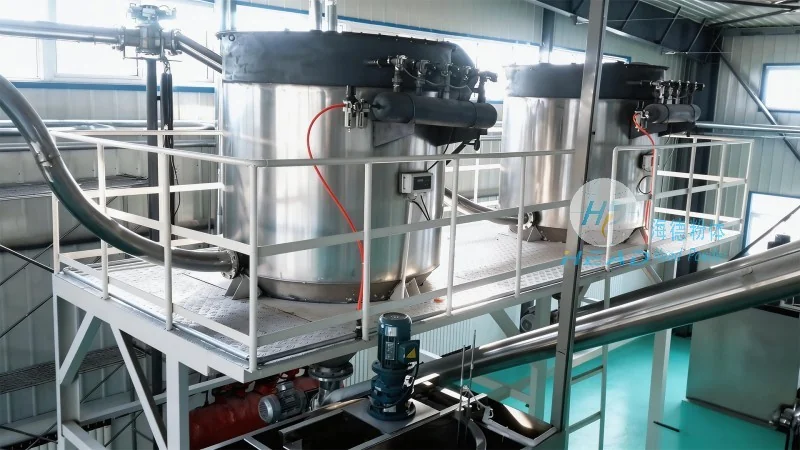
Introduction to Pneumatic Conveying Systems
Pneumatic conveying systems utilize air or gas to transport bulk materials through a pipeline network. In the case of coconut shell powder, which is typically a fine, dry material, a positive pressure or negative pressure system can be employed depending on the application requirements. The system’s design must account for the material’s properties, such as particle size, moisture content, and flow characteristics, to ensure optimal performance.
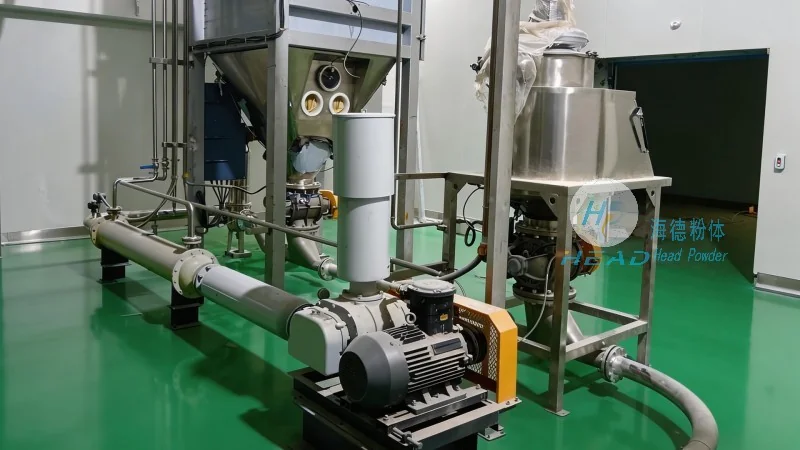
Key Components of a Coconut Shell Powder Pneumatic Conveying System
The core components of a pneumatic conveying system for coconut shell powder include the material feed hopper, the air compressor or vacuum pump, the conveying line, and the discharge equipment. The feed hopper is designed to store and meter the powder, ensuring a consistent flow into the system. The air compressor or vacuum pump generates the necessary pressure or vacuum to move the material through the pipeline. The conveying line, often made of stainless steel or other corrosion-resistant materials, is engineered to withstand the abrasive nature of coconut shell powder. Finally, the discharge equipment, such as a rotary valve or a dust collector, controls the release of the material at the destination point.
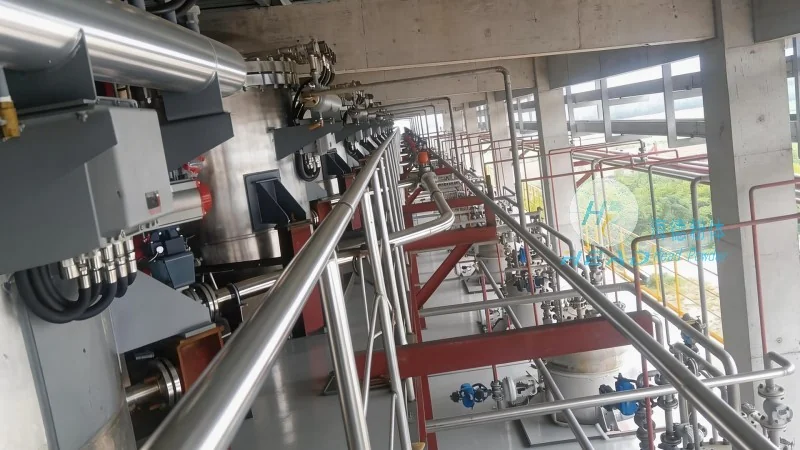
Design Principles for Efficient Material Handling
The design of a coconut shell powder pneumatic conveying system follows several key principles to maximize efficiency and minimize operational issues. First, the system must be sized appropriately to handle the required material flow rate, ensuring that the air velocity is sufficient to transport the powder without causing excessive pressure drops or material degradation. Second, the system’s layout should minimize the number of bends and changes in direction, as these can lead to material deposition or increased wear on components. Third, the use of appropriate materials for the conveying line and components is critical to prevent corrosion and wear from the abrasive powder. Additionally, the system should incorporate features like pulse jets or air knives to prevent material buildup in the pipeline, maintaining consistent performance over time.
Advantages of Using a Pneumatic Conveying System for Coconut Shell Powder
Implementing a pneumatic conveying system for coconut shell powder offers several advantages over traditional methods like belt conveyors or bucket elevators. Firstly, it provides a dust-free and enclosed environment, reducing the risk of contamination and improving workplace safety. Secondly, the system is more flexible in terms of layout, allowing for horizontal, vertical, or mixed-direction transport. Thirdly, it can handle a wide range of material characteristics, including varying particle sizes and moisture levels. Finally, the system’s ability to integrate with other processing equipment, such as classifiers or dryers, enhances overall production efficiency.
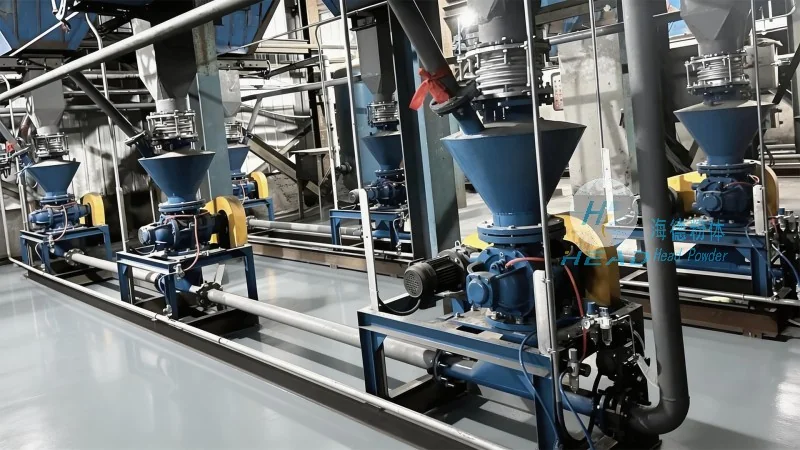
HeadPowder: Your Partner in Pneumatic Conveying Solutions
Shandong HeadPowder Engineering Co., Ltd. specializes in designing and manufacturing customized pneumatic conveying systems tailored to the unique needs of industries handling bulk materials. With a focus on durability, efficiency, and reliability, HeadPowder’s systems are engineered to meet the demands of applications involving coconut shell powder and other similar materials. The company’s expertise in material handling technology ensures that each system is optimized for performance, minimizing downtime and maximizing productivity. Located in Shandong, China, HeadPowder leverages its local resources and industry knowledge to deliver high-quality solutions that meet international standards.




