Cement pneumatic conveying systems are specialized equipment designed to transport bulk materials such as cement, powders, and granules through a pipeline using air pressure. This method offers significant advantages over traditional material handling methods like belt conveyors or bucket elevators. Key benefits include higher operational efficiency, reduced dust generation, and the ability to handle materials in a closed system, which is crucial for maintaining material quality and preventing contamination. The core principle of a pneumatic conveying system is to use air as a medium to suspend and move the material, making it ideal for applications where precise and clean material transport is required.
Design Principles of Cement Pneumatic Conveying Systems
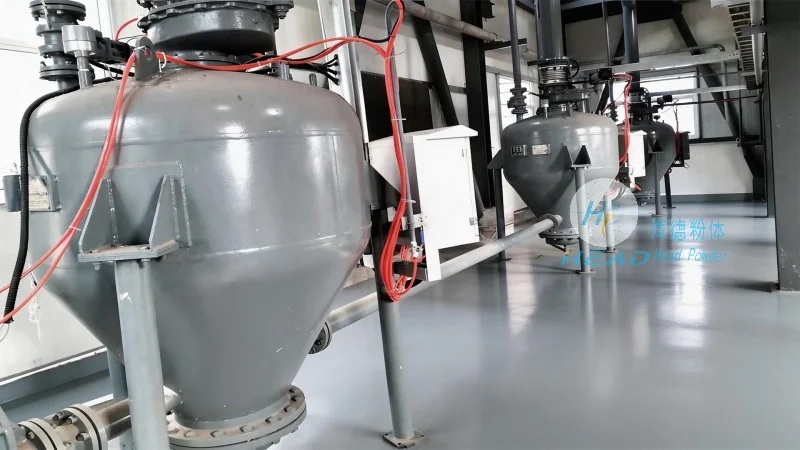
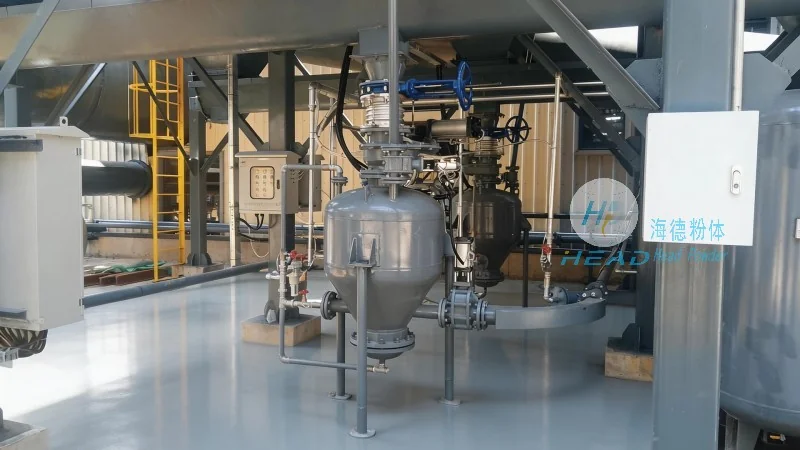
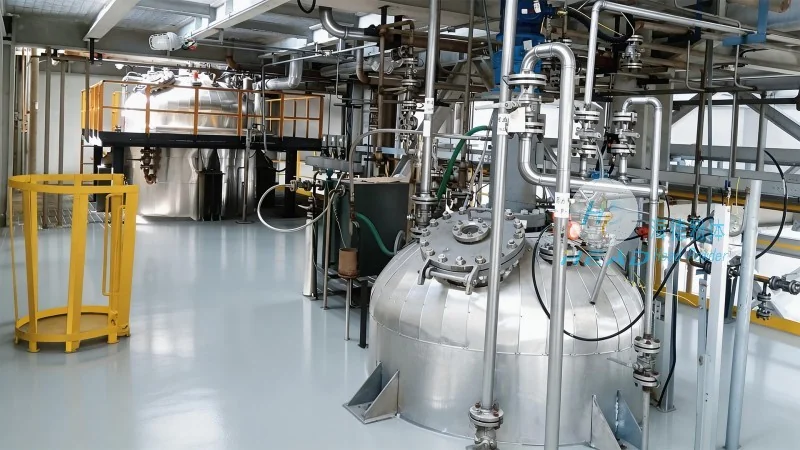
The design of a cement pneumatic conveying system involves several critical principles that ensure efficient and reliable operation. Engineers at Shandong HeadPowder Engineering Co., Ltd. consider the specific properties of cement, including its density, flowability, and potential for caking, when designing the system. The particle size distribution, moisture content, and bulk density of the cement are all factors that influence the optimal conveying velocity and pressure. The system's layout is also a key design consideration, typically consisting of a material hopper for storage, a feeder to control the flow rate, a pipeline network, and a receiver to collect the conveyed material. The pipeline design must account for the air-to-material ratio, which is the ratio of air volume to material volume, and is essential for maintaining the material in a suspended state. To prevent material degradation and blockages, the system incorporates components such as airlocks and cyclones. Airlocks are used to prevent backflow and maintain system pressure, while cyclones separate the material from the air stream, ensuring efficient collection and air recirculation. The control system is equally vital, as it regulates air pressure, flow rate, and material feed to maintain stable operation. Shandong HeadPowder Engineering Co., Ltd. employs advanced engineering techniques to optimize these parameters, ensuring the system meets the specific requirements of each client and operates at peak efficiency.
Key Components of a Cement Pneumatic Conveying System
Understanding the key components of a cement pneumatic conveying system is essential for grasping its functionality. The primary components include the material hopper, which stores the cement and provides a feed point for the system. The feeder, often a rotary valve or screw feeder, controls the flow rate of the material into the pipeline. The pipeline itself is a network of pipes that transport the material and air mixture. The receiver, typically a hopper or silo, collects the conveyed material. A blower or positive displacement pump generates the air pressure needed to move the material. Cyclones or filters separate the material from the air stream, ensuring efficient collection and air cleaning before recirculation. Airlocks are also critical components, preventing backflow and maintaining system pressure. Each component plays a crucial role in the overall performance of the system, and the design of each must be tailored to the specific characteristics of the cement being handled. For example, the hopper and pipeline may be made of stainless steel or coated with special materials to prevent cement buildup and caking.




