Active ammonia denitration is a key technology used in industrial processes to reduce nitrogen oxide emissions. This method employs ammonia as a reducing agent to convert NOx into nitrogen and water, playing a crucial role in environmental protection and compliance with emission standards.
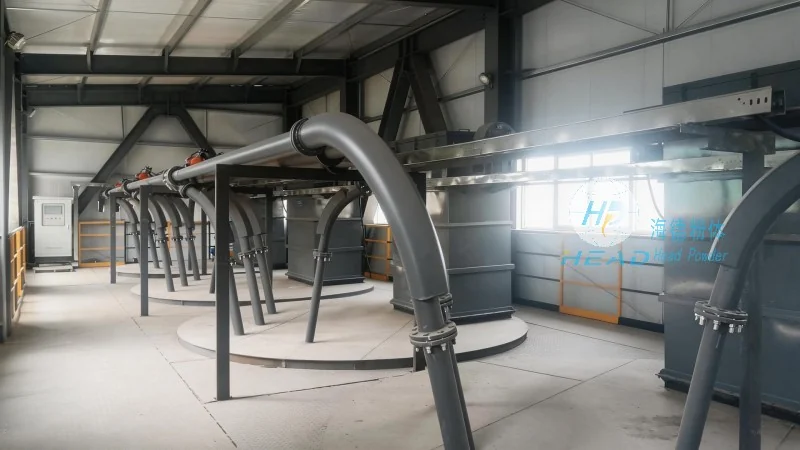
Understanding Active Ammonia Denitration
Active ammonia denitration, also known as selective catalytic reduction (SCR) with ammonia, is a widely adopted process in power plants, chemical industries, and other facilities that generate nitrogen oxides (NOx) as byproducts. The core principle involves the reaction of ammonia (NH₃) with NOx in the presence of a catalyst, typically at temperatures between 150°C and 450°C. This reaction effectively reduces NOx to harmless nitrogen (N₂) and water (H₂O), significantly lowering the environmental impact of industrial operations.
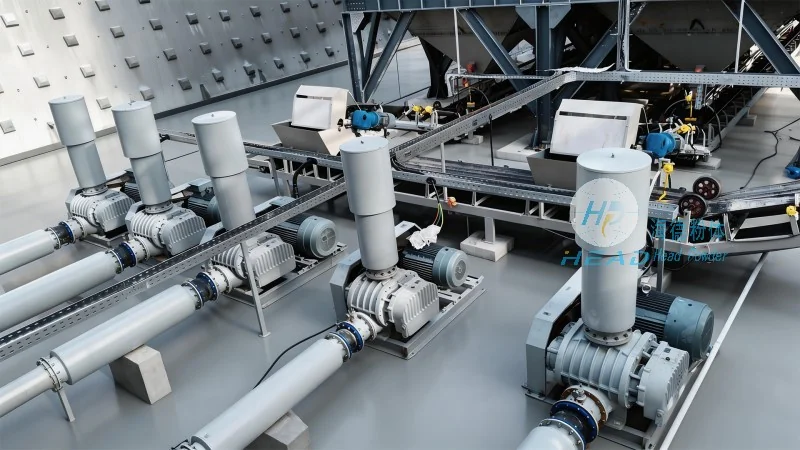
Design Principles of Active Ammonia Denitration Systems
The design of active ammonia denitration systems is tailored to optimize efficiency and performance based on specific application requirements. Key components include the ammonia injection system, catalyst bed, and temperature control mechanisms. The ammonia injection system ensures precise dosing of NH₃ to match the NOx concentration, preventing over- or under-dosing which could lead to incomplete reduction or ammonia slip. The catalyst bed, often made of vanadium-based or titanium-based materials, facilitates the chemical reaction by providing a surface for the NOx and ammonia molecules to interact. Temperature control is critical, as the reaction rate is highly dependent on temperature; most systems use heat exchangers or waste heat recovery to maintain optimal operating temperatures.
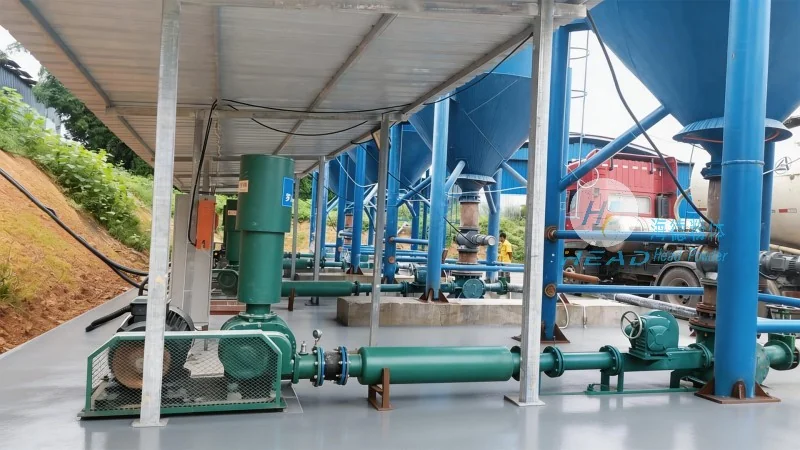
Key Factors Influencing Denitration Efficiency
Several factors influence the effectiveness of active ammonia denitration, including gas flow rates, catalyst activity, and the presence of contaminants. Gas flow rates must be balanced to ensure adequate contact time between the reactants and the catalyst. Catalyst activity can degrade over time due to fouling or poisoning by sulfur compounds, requiring regular maintenance or replacement. Contaminants such as dust or moisture can also affect performance, necessitating pre-treatment steps like dust removal or moisture control.
Applications and Benefits
Active ammonia denitration is applied in various industries, including coal-fired power plants, oil refineries, and petrochemical facilities. The primary benefits include compliance with stringent emission regulations, reduction of environmental pollution, and potential cost savings from reduced penalties for non-compliance. Additionally, the technology can be integrated with other pollution control measures, such as flue gas desulfurization, to create a comprehensive environmental management system.
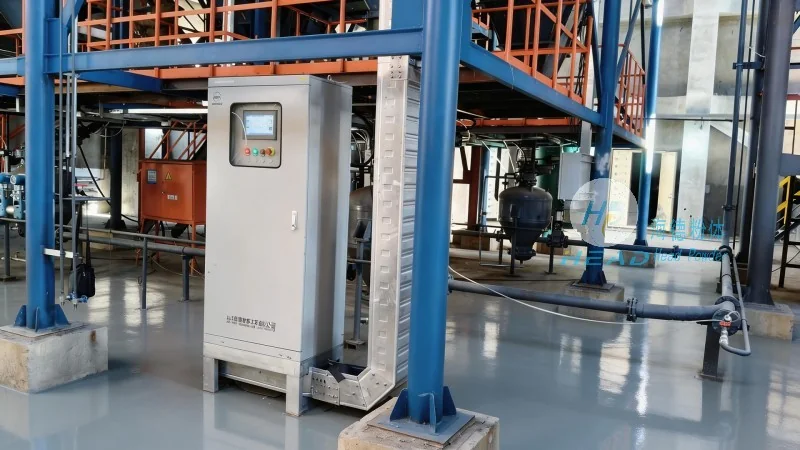
About Shandong HeadPowder Engineering Co., Ltd.
Shandong HeadPowder Engineering Co., Ltd. is a leading provider of advanced environmental technologies, specializing in the design, manufacturing, and installation of active ammonia denitration systems. With a focus on innovation and customer satisfaction, the company has established itself as a trusted partner in the industrial sector. HeadPowder's expertise lies in customizing solutions to meet the unique needs of each client, ensuring optimal performance and reliability. The company's facilities are located in Shandong, China, where it leverages local resources and expertise to deliver high-quality products and services.




