Understanding the mechanics of sand particle pneumatic conveying is crucial for industries relying on efficient powder handling. This process involves transporting granular materials like sand through a pipeline using pressurized air or vacuum. The technology, often referred to as pneumatic conveying, is a cornerstone of modern powder handling systems, enabling seamless material movement from source to destination.
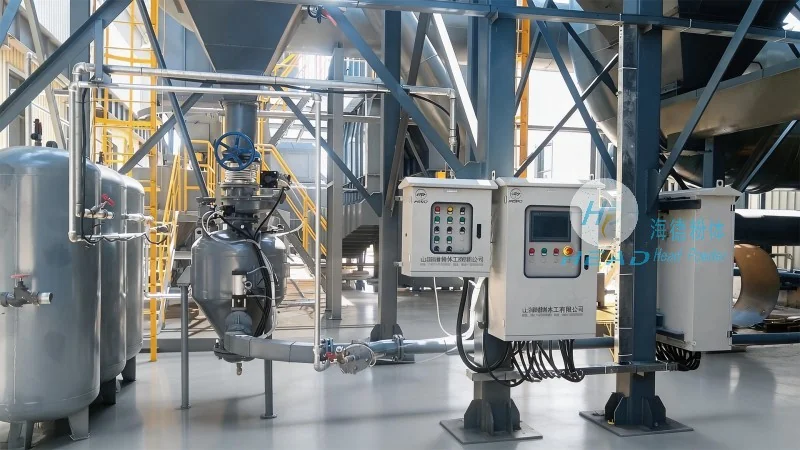
Introduction to Pneumatic Conveying Systems
Pneumatic conveying systems utilize air or gas to transport bulk materials such as sand, powders, and granules. Unlike traditional methods like belt conveyors or bucket elevators, this technology offers advantages in terms of flexibility, cleanliness, and the ability to handle materials in enclosed environments. The core components of a typical pneumatic conveying system include a material feed hopper, a conveying line, a control system, and a discharge unit. The system operates by creating a pressure differential, either by pressurizing the line with air or creating a vacuum, to move the material through the pipeline.
How Pneumatic Conveying Works for Sand Particles
For sand particles, the pneumatic conveying process begins with the material being fed into a hopper. The hopper is equipped with a feeder that regulates the flow of sand into the conveying line. As the sand enters the line, a fan or blower generates the necessary airflow. The air velocity is critical; it must be sufficient to lift and transport the sand particles without causing excessive wear on the system components. The conveying line is usually made of materials like stainless steel or plastic, chosen for their resistance to abrasion and corrosion from sand particles. The system may operate in either positive pressure (where air is blown into the line) or negative pressure (where air is drawn out), depending on the application and material characteristics.
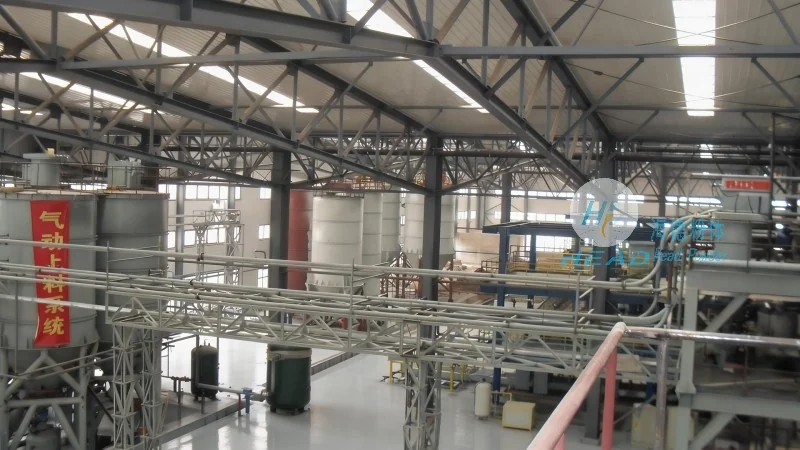
Key Components of a Sand Particle Pneumatic Conveying System
Several key components work in tandem to ensure efficient sand particle transport. The material feed hopper is designed to store and feed sand at a controlled rate. It often includes a rotary valve or screw feeder to prevent material buildup and maintain consistent flow. The conveying line itself is a critical component, as it must withstand the abrasive nature of sand particles. Stainless steel or high-density polyethylene (HDPE) pipes are commonly used due to their durability and resistance to wear. The fan or blower provides the necessary air pressure or vacuum. In positive pressure systems, the fan pushes air through the line, while in negative pressure systems, a vacuum pump draws air out, creating the suction needed to move the sand. The control system monitors and adjusts the airflow and material feed rate to maintain optimal performance. The discharge unit, typically a rotary valve or a venturi, regulates the release of sand from the conveying line to the destination vessel or process equipment.
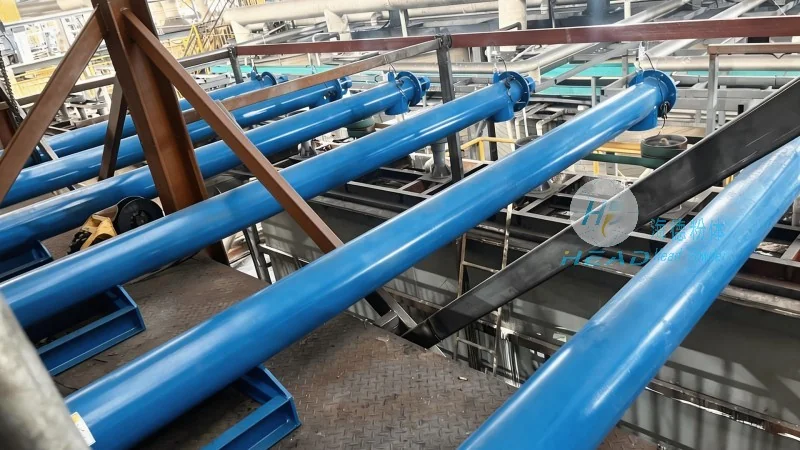
About Shandong HeadPowder Engineering Co., Ltd.
Shandong HeadPowder Engineering Co., Ltd., operating under the brand name headpowder, is a leading provider of advanced powder handling solutions. With a focus on innovation and quality, the company specializes in designing and manufacturing pneumatic conveying systems tailored to the unique needs of various industries. Headpowder's expertise lies in understanding the specific challenges of handling abrasive materials like sand, ensuring that their systems are robust, reliable, and efficient. The company's commitment to customer satisfaction and technical excellence has established it as a trusted partner in the powder handling sector. Headpowder's systems are engineered to meet stringent industry standards, providing long-term performance and minimal maintenance requirements. By leveraging advanced engineering and materials science, the company delivers solutions that enhance productivity and safety in material handling operations.
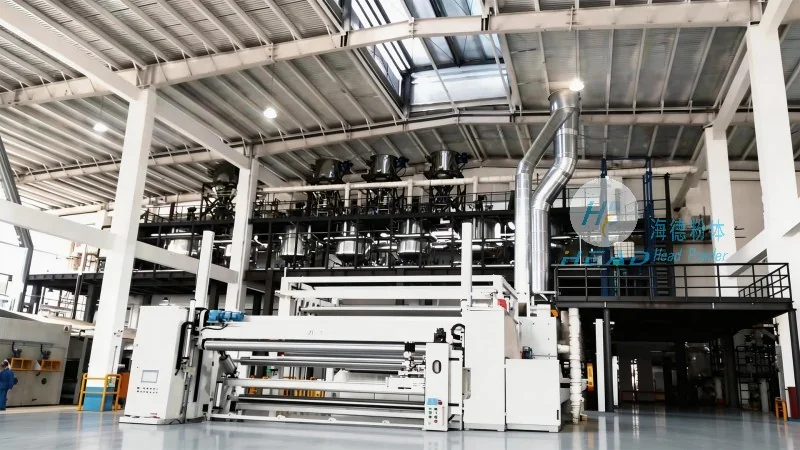
Applications of Sand Particle Pneumatic Conveying
The applications of sand particle pneumatic conveying span multiple industries, including construction, mining, and manufacturing. In the construction industry, sand is a critical raw material for concrete production, and pneumatic conveying systems enable efficient transport from storage silos to batching plants. In mining operations, sand and other granular materials are transported from processing facilities to storage or shipping locations, reducing the need for manual handling and improving operational safety. Manufacturing industries, such as those producing ceramics or glass, rely on pneumatic conveying to transport raw materials like sand to production lines. The technology also finds use in environmental applications, such as the transport of sand for erosion control or in waste management facilities. The versatility of pneumatic conveying systems makes them suitable for a wide range of applications, where traditional methods may be impractical or inefficient.
Advantages of Using Pneumatic Conveying for Sand Particles
Compared to traditional material handling methods, pneumatic conveying offers several advantages when transporting sand particles. One of the primary benefits is the ability to handle abrasive materials without significant wear on system components. The enclosed pipeline design prevents dust contamination, maintaining a clean and safe working environment. Pneumatic systems also offer flexibility in terms of layout, as the conveying line can be installed in various configurations to suit the space constraints of a facility. Additionally, these systems can transport materials over long distances with minimal energy consumption, making them cost-effective for large-scale operations. The control systems allow for precise regulation of material flow, ensuring consistent quality in the final product. Another advantage is the reduced need for manual labor, as the entire process can be automated, improving operational efficiency and safety. Overall, pneumatic conveying provides a reliable and efficient solution for sand particle transport, addressing the challenges associated with handling abrasive and dusty materials.




