Calcium chloride is a widely used chemical compound in various industrial applications, and its efficient handling and transportation are crucial for many processes. Pneumatic conveying, a method of transporting bulk materials using air or other gases, has become a preferred solution for moving calcium chloride and other powders. This article explores the concept of calcium chloride pneumatic conveying, detailing the working principles of powder handling systems and how they ensure reliable and efficient material transport.
HeadPowder, a leading provider of powder handling solutions, specializes in designing and manufacturing systems that cater to the unique requirements of calcium chloride and other bulk materials. With a strong focus on innovation and quality, the company has established itself as a trusted partner in the industry, offering comprehensive solutions for material transport and processing. The following sections delve into the technical aspects of pneumatic conveying systems, highlighting their advantages and the specific considerations for calcium chloride handling.
Understanding Pneumatic Conveying Systems
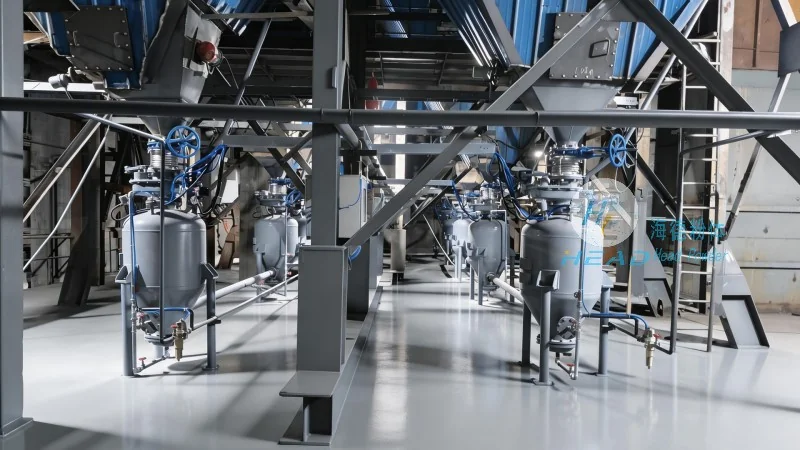
Pneumatic conveying systems utilize air or gas to move powders through a pipeline network. The process involves several key components, including a feeder, a conveyor line, and a receiver. The feeder is responsible for introducing the powder into the system, while the conveyor line transports the material to the desired destination. The receiver collects the material at the end of the process. These components work in tandem to ensure a continuous and controlled flow of calcium chloride, minimizing downtime and maximizing operational efficiency.
There are two primary types of pneumatic conveying systems: pressure and vacuum. Pressure systems use compressed air to push the material through the pipeline, while vacuum systems use a vacuum to pull the material. For calcium chloride, which is often handled in large quantities and requires high throughput, pressure systems are commonly preferred due to their ability to handle high volumes and maintain consistent flow rates. The choice between pressure and vacuum depends on factors such as the distance of transport, the required flow rate, and the nature of the material being conveyed.
Key Components of a Calcium Chloride Pneumatic Conveying System
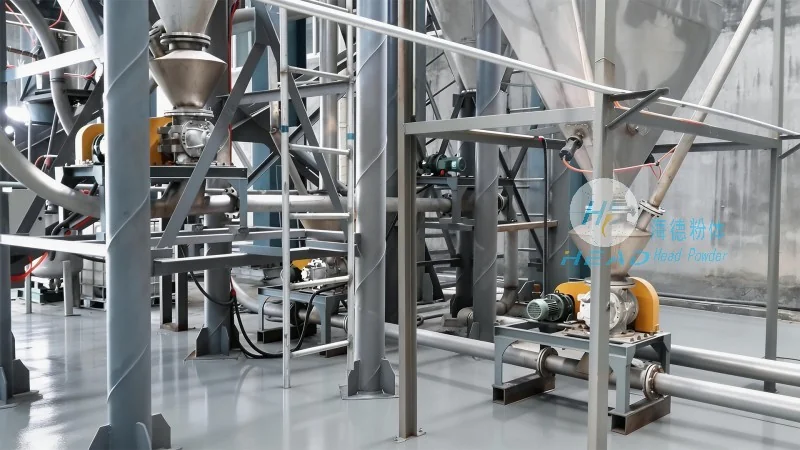
At the heart of any pneumatic conveying system is a series of components that work together to ensure effective material transport. The feeder is a critical component, as it must handle the bulk material and introduce it into the conveyor line without causing blockages or degradation. For calcium chloride, which can be abrasive and prone to caking, specialized feeders such as rotary valves or screw feeders are often used to ensure smooth and consistent feeding. These feeders are designed to handle the material's properties, preventing issues like clogging and maintaining the integrity of the powder.
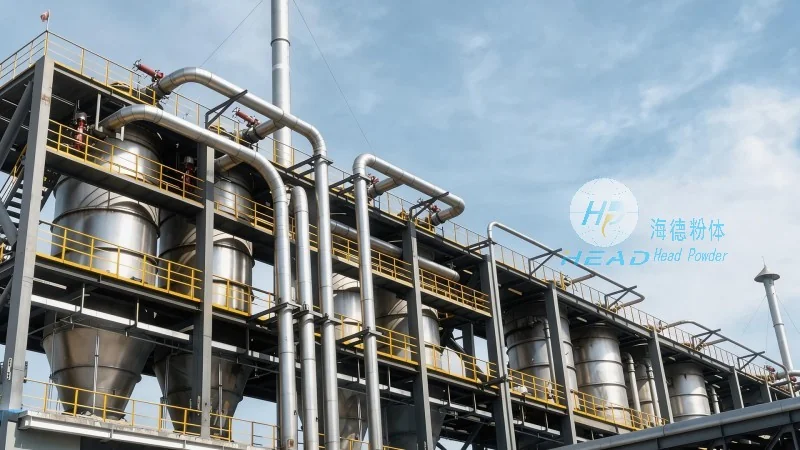
The conveyor line itself is typically made of materials that are resistant to corrosion and wear, as calcium chloride can be corrosive and abrasive. Stainless steel or high-grade plastic materials are commonly used for the pipeline to ensure durability and longevity. The line is equipped with appropriate fittings and valves to control the flow of air and material, allowing for adjustments to the system's performance based on operational needs. The receiver, where the calcium chloride is collected, is designed to handle the material's characteristics, ensuring that it is stored safely and efficiently.
Advantages of Pneumatic Conveying for Calcium Chloride
Pneumatic conveying offers several advantages over traditional methods of powder transport, such as belt conveyors or bucket elevators. One of the primary benefits is the ability to transport calcium chloride in a closed system, which helps to prevent dust contamination and environmental pollution. This is particularly important for calcium chloride, which can be hygroscopic and may absorb moisture from the air, leading to clumping and reduced quality. The closed system also helps to maintain the material's purity and consistency, ensuring that it meets the required specifications for various applications.
Another advantage of pneumatic conveying is its flexibility in terms of layout and distance. The system can be designed to transport calcium chloride over long distances, with minimal maintenance requirements. This makes it suitable for large-scale industrial operations where the material needs to be moved from one location to another within a facility or between different facilities. The ability to handle high volumes and maintain consistent flow rates also contributes to improved operational efficiency, reducing downtime and increasing productivity.
Applications of Calcium Chloride Pneumatic Conveying
Calcium chloride is used in a wide range of applications, including de-icing, road construction, and water treatment. Pneumatic conveying systems are particularly well-suited for these applications due to their ability to handle large quantities of the material and transport it efficiently. For example, in de-icing operations, calcium chloride is used to lower the freezing point of ice on roads and sidewalks. The pneumatic conveying system can transport the calcium chloride from storage to the application site quickly and reliably, ensuring that the de-icing process is effective and efficient.
In road construction, calcium chloride is used as a stabilizer for soil and as a dust suppressant. The pneumatic conveying system can transport the material to the construction site, where it is mixed with the soil or applied as a dust suppressant. This helps to improve the quality of the road surface and reduce the amount of dust generated during construction. In water treatment, calcium chloride is used to adjust the pH levels of water and to remove impurities. The pneumatic conveying system can transport the material to the treatment plant, where it is added to the water to improve its quality.
Conclusion
Calcium chloride pneumatic conveying is a reliable and efficient method of transporting bulk materials, offering several advantages over traditional methods. HeadPowder, with its expertise in powder handling solutions, provides comprehensive systems that cater to the unique needs of calcium chloride and other powders. By understanding the working principles of pneumatic conveying systems and the specific considerations for calcium chloride handling, industries can improve their operational efficiency and ensure the quality of their products. As the demand for calcium chloride continues to grow, the importance of efficient material transport will only increase, making pneumatic conveying an essential component of modern industrial operations.




