For industries dealing with glass fiber cellulose, efficient material handling is crucial. Pneumatic conveying systems offer a reliable solution, and understanding the nuances of vacuum versus positive pressure systems is key to optimizing operations. This article delves into the technical aspects and practical applications of these two primary pneumatic conveying methods, providing insights tailored for professionals in the field.
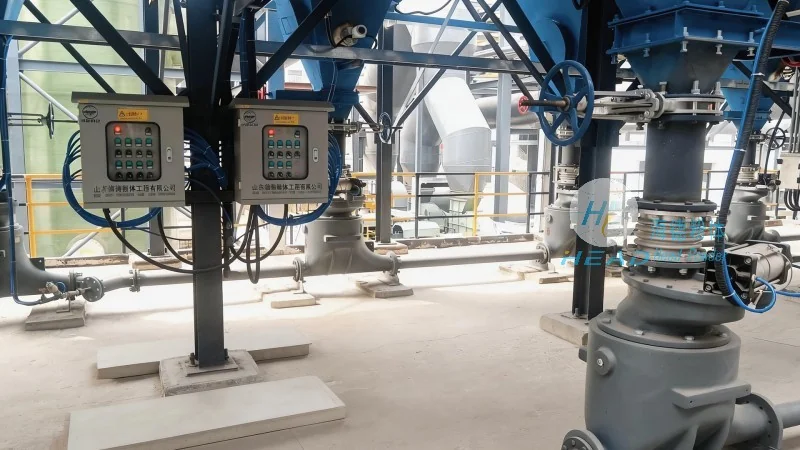
HeadPowder: Your Expert in Pneumatic Conveying Solutions
Shandong HeadPowder Engineering Co., Ltd. is a leading provider of advanced material handling technologies, specializing in customized pneumatic conveying systems. With years of experience and a commitment to innovation, HeadPowder delivers solutions that meet the unique demands of industries handling glass fiber cellulose and similar materials. The company’s expertise lies in designing systems that ensure high efficiency, minimal product degradation, and cost-effective operation.
Vacuum Pneumatic Conveying for Glass Fiber Cellulose
Vacuum pneumatic conveying systems operate by creating a negative pressure environment at the receiving end, drawing material from the source through a pipeline. This method is particularly effective for transporting glass fiber cellulose over moderate distances, especially when the material is stored in bulk containers or silos. The key advantages of vacuum systems include gentle material handling, which is essential for preserving the quality of glass fiber cellulose, and the ability to handle materials with a wide range of particle sizes. The system typically consists of a vacuum pump, a conveying line, and a receiving hopper, with the vacuum pump maintaining the pressure differential to ensure material flow.
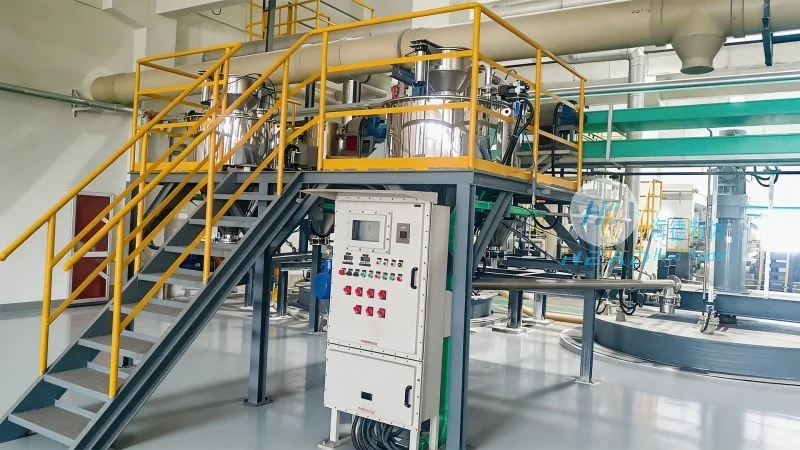
Positive Pressure Pneumatic Conveying for Glass Fiber Cellulose
Positive pressure systems, on the other hand, generate positive pressure at the discharge end, pushing material through the pipeline. This approach is often preferred for longer conveying distances or when dealing with materials that are more abrasive or have higher moisture content. The positive pressure system uses a blower or fan to force air and material through the line, ensuring consistent flow and preventing material buildup. For glass fiber cellulose, positive pressure systems can handle higher material loads and are more suitable for applications requiring high throughput. The design of the system includes a material feeder, a pressure vessel, and a discharge hopper, with the pressure vessel maintaining the necessary pressure to transport the material.
Comparative Analysis: Vacuum vs. Positive Pressure Conveying
When selecting between vacuum and positive pressure pneumatic conveying for glass fiber cellulose, several factors must be considered. The distance of the conveying line, the material’s properties (such as particle size, moisture content, and abrasiveness), and the required throughput are all critical. Vacuum systems are generally more suitable for shorter distances and for materials that require gentle handling, as they minimize product degradation. Positive pressure systems excel in longer-distance applications and for materials that can withstand higher pressure and flow rates. Additionally, the cost of equipment and maintenance varies between the two systems, with vacuum systems often being more cost-effective for shorter runs, while positive pressure systems may be more economical for longer distances or high-volume operations.
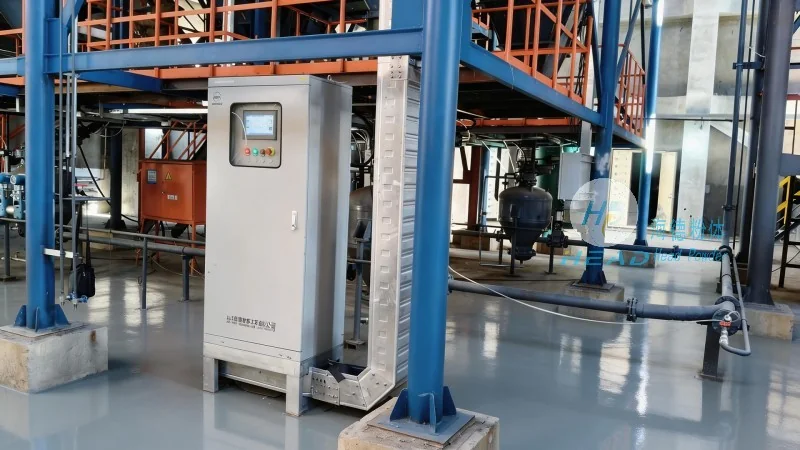
Applications and Case Studies
HeadPowder has successfully implemented pneumatic conveying solutions for various applications involving glass fiber cellulose. For example, in a manufacturing plant, a vacuum system was used to transport glass fiber cellulose from a storage silo to a processing line, ensuring minimal dust and product loss. The system was designed to handle fine particles and maintain a consistent flow rate, which improved overall production efficiency. In another case, a positive pressure system was employed to convey glass fiber cellulose over a distance of 500 meters, feeding a production line with high throughput requirements. The system’s robust design and high-pressure capabilities ensured reliable operation, even with abrasive material handling.
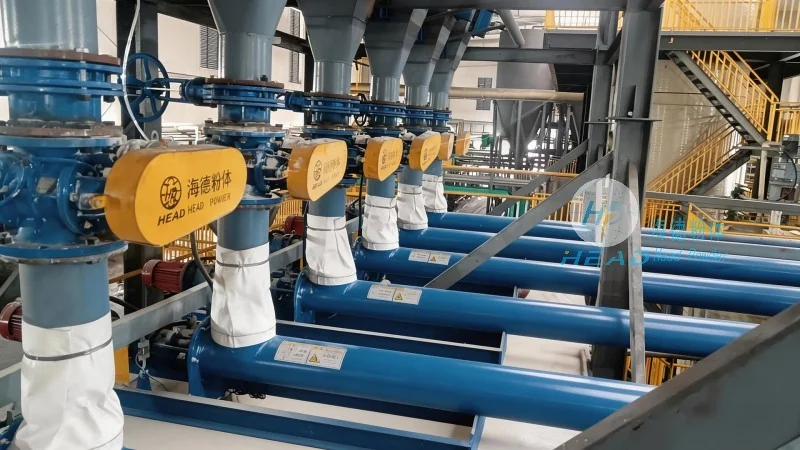
Customization and Integration: Tailoring Solutions for Glass Fiber Cellulose
At Shandong HeadPowder Engineering Co., Ltd., the focus is on providing customized solutions that meet the specific needs of each client. The company works closely with customers to assess their material handling requirements, including the type of glass fiber cellulose, the conveying distance, and the desired throughput. Based on this assessment, HeadPowder designs and manufactures a pneumatic conveying system that is optimized for performance and efficiency. The systems can be integrated with existing production lines, ensuring seamless operation and minimal disruption to current processes. Additionally, the company offers maintenance and support services to ensure the long-term reliability of the equipment.
Conclusion: Choosing the Right Pneumatic Conveying System
For industries handling glass fiber cellulose, selecting the appropriate pneumatic conveying system is essential for maintaining operational efficiency and product quality. Whether opting for a vacuum or positive pressure system, the key is to consider the specific requirements of the application, including distance, material properties, and throughput. Shandong HeadPowder Engineering Co., Ltd. provides expert guidance and customized solutions to help clients make informed decisions and achieve optimal results. By leveraging the company’s experience and advanced technology, businesses can enhance their material handling processes and improve overall productivity.




