When it comes to transporting dicalcium phosphate (DCP), selecting the right method is crucial for efficiency, safety, and operational reliability. Two primary approaches are widely used in industrial settings: positive pressure transport and negative pressure transport. Understanding the differences between these methods is essential for making an informed decision that aligns with specific operational needs.
Understanding Positive Pressure Transport
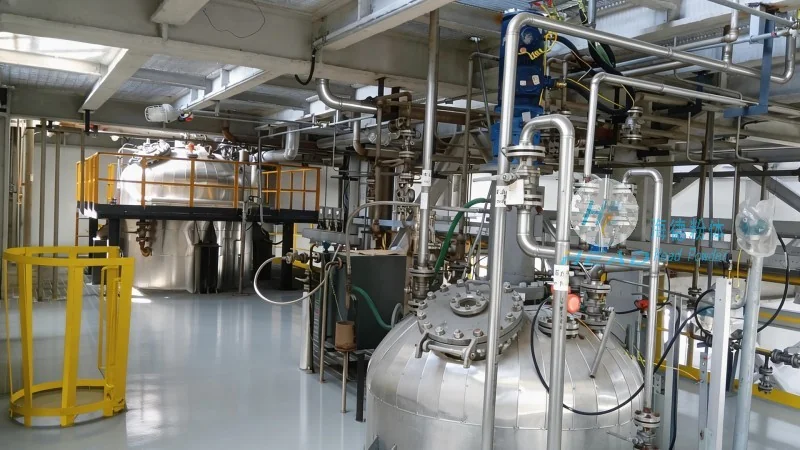
Positive pressure transport involves using a system where air or gas is forced into the transport line to move material. This method is often preferred for its ability to handle materials with high moisture content or those that are prone to caking. The positive pressure ensures that the material is continuously pushed forward, reducing the risk of blockages and ensuring a steady flow. For dicalcium phosphate, which can be sensitive to moisture and temperature changes, positive pressure systems can provide better control over the material's condition during transport.
Key Features of Positive Pressure Systems
Positive pressure transport systems typically include a blower or compressor that generates the necessary air pressure. The material is fed into the system via a hopper or feeder, and the pressurized air carries the DCP through the pipeline to the destination. This method is particularly effective for long-distance transport or when the material needs to be delivered to multiple points. The consistent pressure also helps maintain the material's quality, as it is less exposed to external environmental factors during transit.
Understanding Negative Pressure Transport
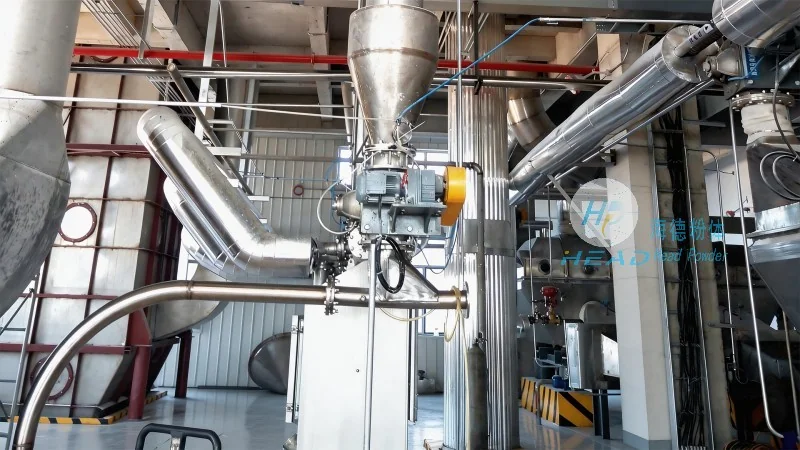
Negative pressure transport, also known as suction or vacuum transport, operates by creating a vacuum in the transport line. This vacuum draws the material from the source to the destination. Unlike positive pressure, negative pressure systems rely on the natural flow of material under the influence of the vacuum, rather than external force. This method is often used for materials that are less prone to caking and can be handled with lower energy consumption. For dicalcium phosphate, negative pressure transport may be suitable for shorter distances or when the material is in a dry, free-flowing state.
Distinguishing Between the Two Methods
The primary distinction between positive and negative pressure transport lies in the direction of air flow and the force applied to move the material. Positive pressure systems use external pressure to push material forward, while negative pressure systems use a vacuum to pull material. This difference affects the system's energy requirements, material handling capabilities, and overall cost. For example, positive pressure systems may require more energy to operate but can handle more challenging materials, whereas negative pressure systems are more energy-efficient for simpler materials.
Factors to Consider When Choosing a Transport Method
Several factors influence the choice between positive and negative pressure transport for dicalcium phosphate. These include the material's physical properties, such as moisture content, particle size, and tendency to agglomerate. The distance between the source and destination is another critical factor, as longer distances may require more robust systems. Additionally, the number of delivery points and the need for precise control over material flow should be considered. For instance, if the DCP is being transported over long distances or through complex piping networks, a positive pressure system may be more appropriate due to its ability to maintain consistent flow and pressure.
Application Examples
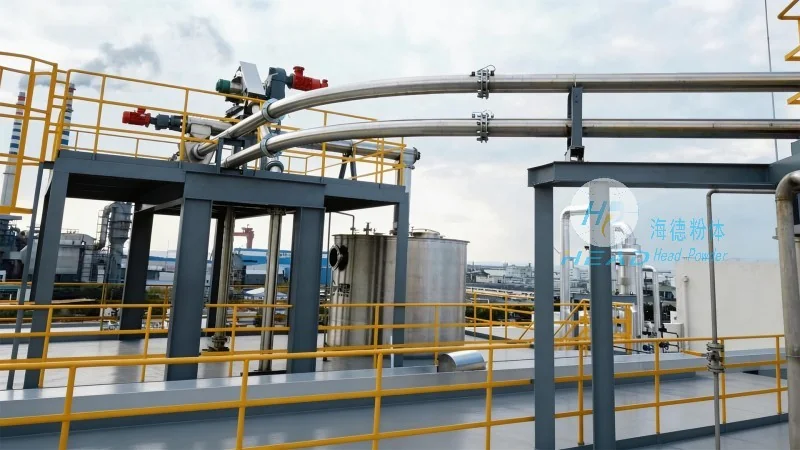
Positive pressure transport is commonly used in large-scale industrial operations where dicalcium phosphate is transported from a production facility to a processing plant or storage area. The system can handle high volumes of material and ensure that the DCP reaches its destination without degradation. Negative pressure transport, on the other hand, may be used in smaller-scale applications, such as transporting DCP from a storage silo to a mixing unit in a laboratory or small-scale production setting. The choice of method depends on the specific operational requirements and the characteristics of the material being handled.
Conclusion
Choosing between positive pressure and negative pressure for dicalcium phosphate transport requires careful evaluation of the material's properties, operational needs, and cost considerations. Both methods have their advantages and are suitable for different scenarios. By understanding the differences and factors involved, industrial operators can select the most appropriate transport system to ensure efficient and reliable handling of dicalcium phosphate. Shandong HeadPowder Engineering Co., Ltd., a leading provider of engineering solutions for material handling, offers expertise in designing and implementing both positive and negative pressure transport systems tailored to the specific needs of clients.




