Fine sand pneumatic conveying equipment is a critical technology in modern industrial operations, enabling the efficient and safe transport of fine sand particles through a pipeline system using air or gas as the conveying medium. This method offers significant advantages over traditional mechanical conveying, including reduced dust pollution, lower maintenance requirements, and the ability to handle materials over extended distances with minimal loss.
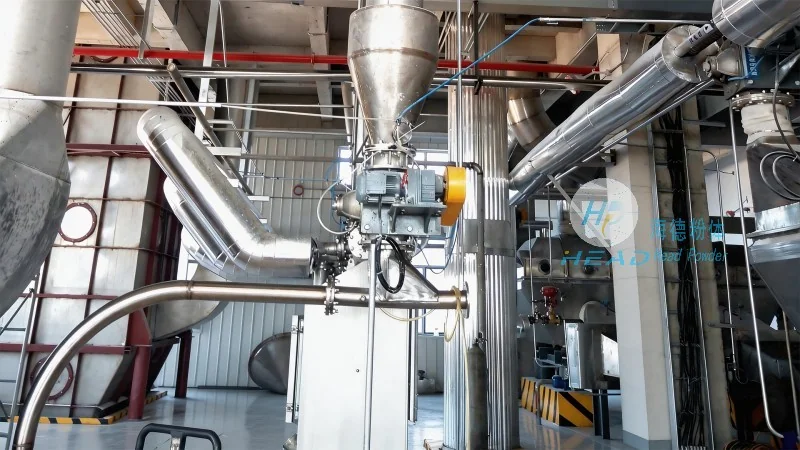
Overview of Fine Sand Pneumatic Conveying Equipment
At the heart of fine sand pneumatic conveying systems is the ability to transport fine sand without direct mechanical contact. This is achieved through a coordinated set of components that work together to ensure reliable material movement. The equipment is widely utilized across sectors such as construction, chemical manufacturing, and mining, where the handling of fine sand is integral to production processes.
Structural Composition and Working Principle
The structural design of fine sand pneumatic conveying equipment typically includes a feeding device, conveying pipeline, separation system, and receiving container. The working principle centers on creating a controlled air flow within the pipeline. When fine sand is introduced, it is entrained by the air and transported to the destination. The separation system then isolates the sand from the air, directing the sand to a collection container while the air is either recirculated or vented.
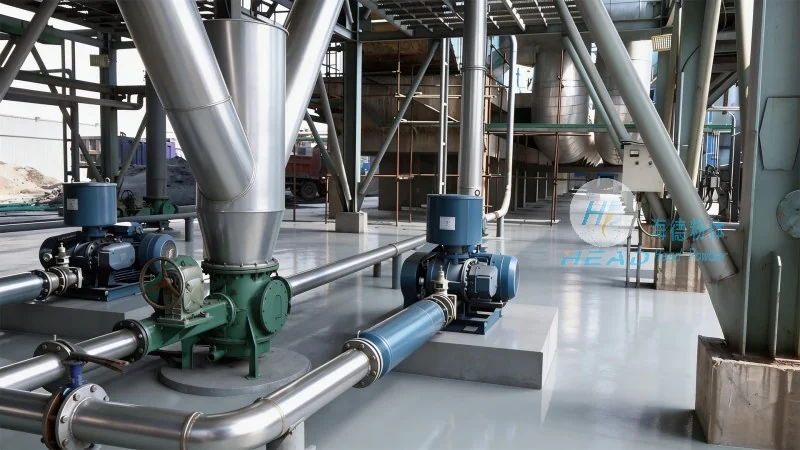
Key Components and Their Functions
1. Feeding Device: This component introduces fine sand into the system, ensuring consistent and controlled material flow. It prevents blockages and maintains system efficiency, often using rotary valves or screw feeders designed to handle fine sand with minimal wear.
2. Conveying Pipeline: The pipeline serves as the main transport channel, made from corrosion-resistant materials like stainless steel or plastic. It is engineered with bends and elbows to minimize pressure loss and maintain air flow velocity for effective conveying.
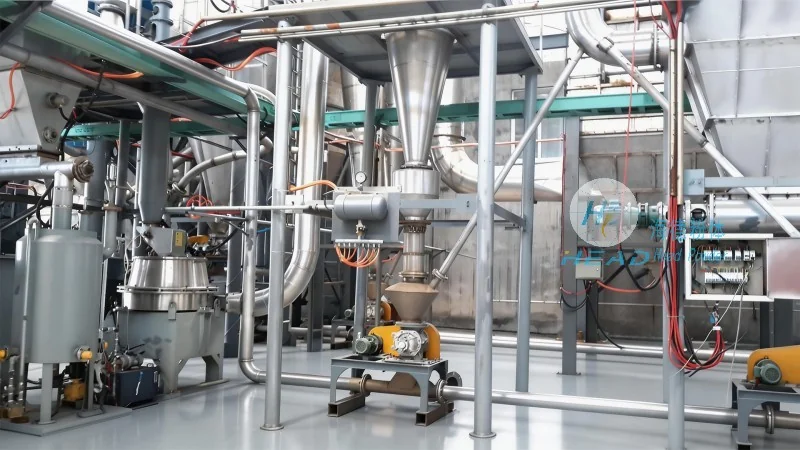
3. Separation System: This critical component separates sand from air post-conveyance. It may include cyclone separators or bag filters, using centrifugal force or filtration to capture sand particles. The separated sand is directed to the receiving container, while air is filtered or vented.
4. Receiving Container: The final component collects the sand after separation. It is designed to handle the conveyed volume and may include level indicators or discharge mechanisms for further processing or storage.
Advantages of Fine Sand Pneumatic Conveying Systems
Fine sand pneumatic conveying systems offer several key benefits. They eliminate mechanical wear by avoiding direct contact with fine sand, reducing maintenance costs. The system effectively contains dust, preventing environmental contamination. Additionally, it can transport fine sand over long distances with minimal material loss, making it suitable for large-scale industrial applications.
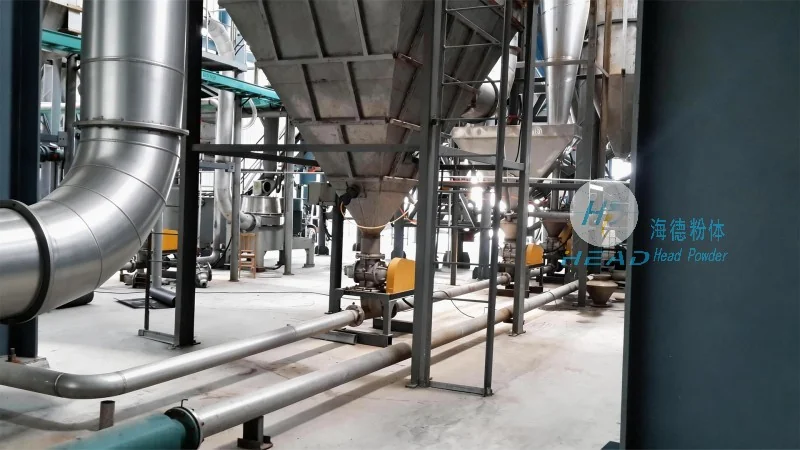
Application Scenarios
Fine sand pneumatic conveying equipment is applied across diverse industries. In construction, it transports fine sand for concrete production and building materials. In chemical manufacturing, it facilitates filtration and mixing processes. The mining industry uses it to move fine sand from extraction sites to processing plants. The food and pharmaceutical sectors also utilize this technology for hygienic handling of fine sand as fillers or abrasives.
About Shandong HeadPowder Engineering Co., Ltd.
Shandong HeadPowder Engineering Co., Ltd., branded as headpowder, is a leading manufacturer of fine sand pneumatic conveying equipment. Headquartered in Shandong, China, the company specializes in designing and producing high-quality conveying systems tailored to industrial needs. With a focus on innovation and customer satisfaction, HeadPowder delivers reliable solutions for fine sand handling, enhancing operational efficiency and safety globally.




