For industrial applications involving the handling of fine powders like titanium dioxide, efficient and reliable material transport is crucial. This article provides an overview of pneumatic conveying systems designed specifically for titanium dioxide, detailing their structural components and operational principles. By understanding these systems, industries can optimize material handling processes, enhance safety, and improve overall operational efficiency.
Key Components of Titanium Dioxide Pneumatic Conveying Systems
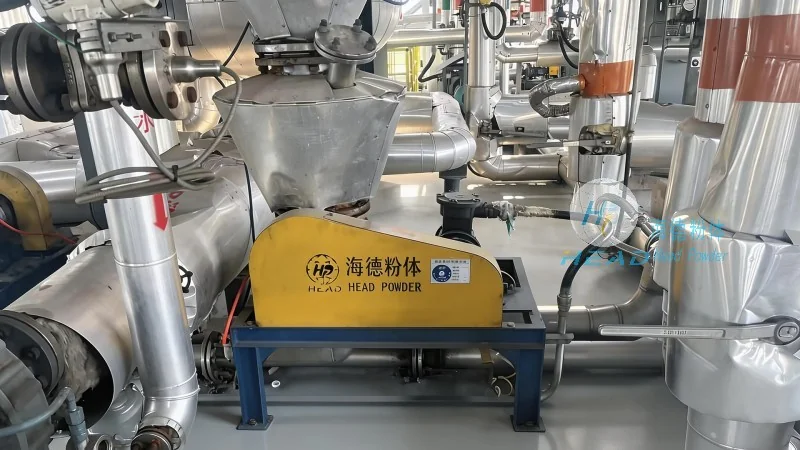
The pneumatic conveying system for titanium dioxide typically consists of several core components that work in tandem to transport the powder from a source to a destination. These components are engineered to handle the specific properties of titanium dioxide, such as its fine particle size and potential reactivity. The primary components include:
- Feed Hopper: A container that stores the titanium dioxide powder and regulates the flow of material into the system. It often features a discharge valve or feeder to control the rate of material release.
- Conveying Pipe: The main pipeline through which the air and powder mixture travels. The pipe is usually made of materials resistant to corrosion and abrasion, such as stainless steel or special plastic composites, to ensure durability and prevent contamination.
- Air Supply System: This includes a blower or compressor that generates the necessary airflow to move the powder particles. The air supply is critical for creating the pressure differential required for pneumatic transport.
- Separation and Collection Equipment: At the receiving end, this component separates the powder from the air stream. Common devices include cyclones, filters, or baghouses, which capture the titanium dioxide particles and return them to a storage bin or processing unit.
- Control and Monitoring Systems: Modern systems incorporate sensors and control panels to monitor pressure, flow rates, and other parameters. This allows for real-time adjustments to maintain optimal performance and prevent system failures.
Working Principle of the Pneumatic Conveying Process
The operation of a titanium dioxide pneumatic conveying system follows a systematic process. Initially, the titanium dioxide powder is fed from the hopper into the conveying pipe. Simultaneously, the air supply system introduces a high-velocity airflow into the pipe. The interaction between the air and the powder particles creates a slurry-like mixture, where the air acts as the medium to transport the powder. As the mixture travels through the pipe, it reaches the separation equipment at the destination. Here, the air is filtered out, and the titanium dioxide powder is collected and stored, ready for further processing or use.
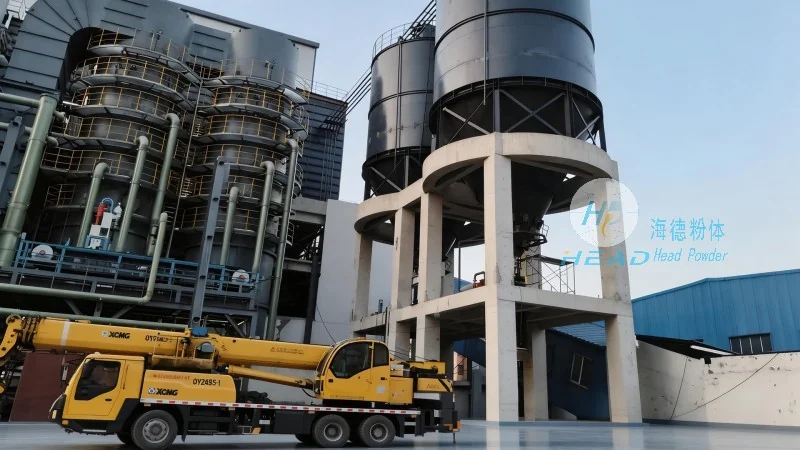
The efficiency of this process depends on several factors, including the particle size distribution of the titanium dioxide, the air velocity, and the system's pressure. Proper design and maintenance of the components are essential to ensure consistent and reliable transport. For example, if the air velocity is too low, the powder may settle and cause blockages, while too high a velocity can lead to excessive wear on the pipe and equipment.
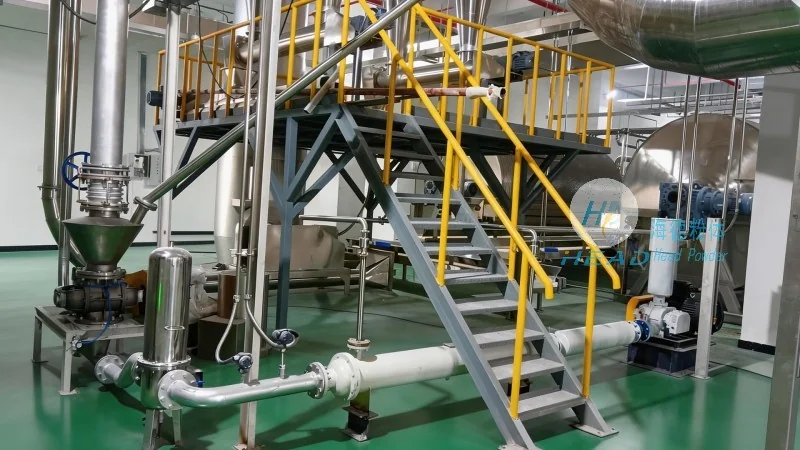
Advantages of Using Pneumatic Conveying for Titanium Dioxide
Implementing a pneumatic conveying system for titanium dioxide offers several advantages over traditional methods like bucket elevators or belt conveyors. These benefits include:
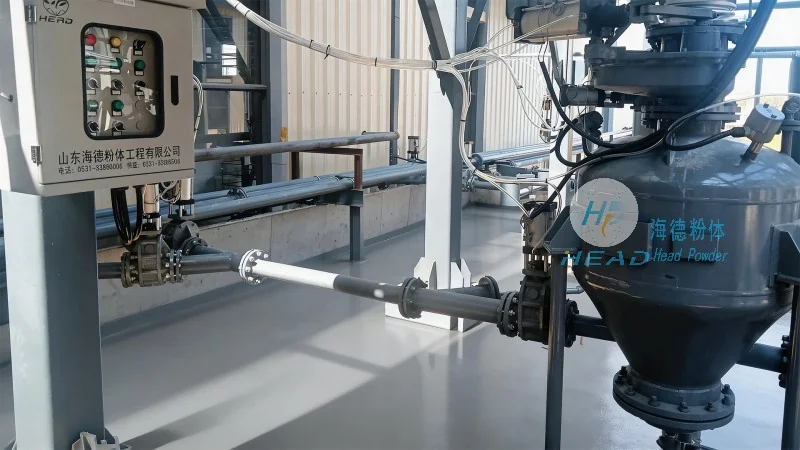
- Reduced Downtime and Maintenance: Pneumatic systems are generally more compact and have fewer moving parts compared to mechanical conveyors, leading to lower maintenance requirements and less downtime.
- Improved Safety: By eliminating the need for manual handling of powders, the risk of dust exposure and related health hazards is significantly reduced. The enclosed system also prevents contamination from external sources.
- Enhanced Product Quality: The enclosed nature of the system minimizes the risk of product degradation or contamination from moisture, air, or other substances. This is particularly important for high-value materials like titanium dioxide, which are used in applications requiring strict purity standards.
- Flexibility in Layout: Pneumatic conveying systems can be easily adapted to various plant layouts, allowing for horizontal, vertical, or even complex multi-directional transport paths. This flexibility enables better integration with existing production lines.
- Energy Efficiency: Modern pneumatic systems are designed to be energy-efficient, with optimized air flow and pressure control that minimize energy consumption while maintaining effective transport.
Applications of Titanium Dioxide Pneumatic Conveying Systems
Titanium dioxide pneumatic conveying systems are widely used in various industries that rely on this pigment. Common applications include:
- Paper and Printing Industries: Titanium dioxide is a key component in paper production, providing whiteness and opacity. Pneumatic systems efficiently transport the powder from storage to the paper-making machines.
- Coatings and Paints: In the manufacturing of paints and coatings, titanium dioxide is used as a pigment to enhance color and durability. The conveying system ensures a consistent supply of high-quality powder to the production line.
- Plastics and Rubber: For the production of plastic and rubber products, titanium dioxide is added as a pigment to improve appearance and UV resistance. Pneumatic transport helps maintain the powder's quality during processing.
- Pharmaceutical and Food Industries: In some applications, titanium dioxide is used as a food additive or in pharmaceutical formulations. The enclosed and hygienic nature of pneumatic systems is essential to meet the stringent quality and safety standards of these industries.
Conclusion and Company Overview
Efficient material handling is a critical aspect of industrial operations, and pneumatic conveying systems for titanium dioxide offer a reliable and effective solution. By understanding the structural components and operational principles of these systems, businesses can enhance their production processes and maintain high standards of quality and safety. Shandong HeadPowder Engineering Co., Ltd., a leading provider in this field, specializes in designing and manufacturing customized pneumatic conveying solutions tailored to the specific needs of titanium dioxide handling. With a focus on innovation and quality, the company ensures that its systems meet the highest industry standards, supporting clients in optimizing their material transport processes and achieving operational excellence.




