For industrial applications, the efficient and reliable transportation of ferrous sulfate is crucial. Ferrous sulfate, commonly used in water treatment, agriculture, and chemical manufacturing, requires specialized handling to ensure product integrity and operational safety. This article explores several effective solutions for pneumatic conveying of ferrous sulfate, highlighting key considerations and practical implementations.
Overview of Pneumatic Conveying Solutions
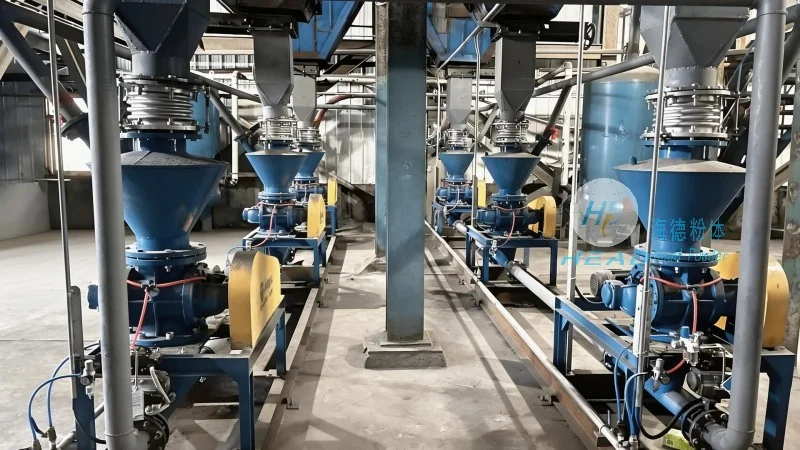
Pneumatic conveying systems are widely adopted for transporting bulk materials like ferrous sulfate due to their ability to handle fine powders, minimize dust exposure, and maintain product quality. The primary types of pneumatic conveying include positive pressure, negative pressure, and hybrid systems. Each method offers distinct advantages and is suitable for different operational conditions and material characteristics.
1. Positive Pressure Pneumatic Conveying System
Positive pressure systems operate by blowing air or gas into the conveying line, creating a pressure higher than the ambient air. This method is ideal for applications requiring high material flow rates and long-distance transport. The system typically consists of a blower, a material feeder, and a conveying line with multiple inlets and outlets. For ferrous sulfate, a positive pressure system can effectively handle bulk quantities while maintaining consistent flow rates. The blower's pressure ensures that the material is propelled through the pipeline without clogging, making it suitable for continuous production lines. Additionally, positive pressure systems are relatively easy to install and maintain, as they do not require complex vacuum equipment. However, they may generate more noise and require proper ventilation to manage air emissions.
2. Negative Pressure (Vacuum) Pneumatic Conveying System
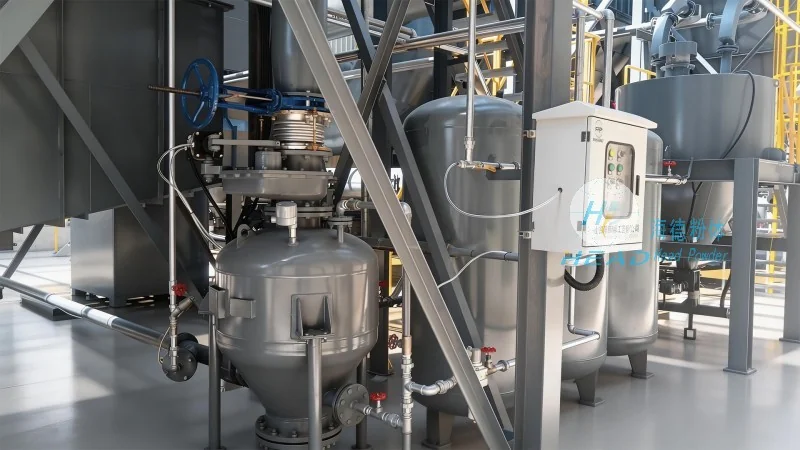
Negative pressure systems, also known as vacuum conveying, draw material into the system using a vacuum pump. This approach is particularly effective for handling fine powders that are prone to dusting or require gentle handling. The system operates by creating a low-pressure environment that pulls the material from the source into the conveying line. For ferrous sulfate, a vacuum system can minimize product degradation and prevent dust contamination, which is critical in applications like water treatment where product purity is paramount. The vacuum pump is usually located at the receiving end, and the material is transported through a pipeline to the destination. This method is well-suited for short to medium distances and for materials that are sensitive to pressure changes. However, negative pressure systems may have lower material flow rates compared to positive pressure systems and require careful design to avoid air leaks, which could compromise the vacuum and system efficiency.
3. Hybrid Pneumatic Conveying System
Hybrid systems combine elements of both positive and negative pressure systems to leverage the advantages of each. These systems are often used for complex conveying tasks that involve multiple source and destination points. For ferrous sulfate, a hybrid system can be configured to handle both high-volume and low-volume transport, adapting to varying production demands. The system may use a positive pressure blower to move material from the source to a central point and then switch to a vacuum pump to transport the material to the final destination. This flexibility allows for efficient handling of different material batches and reduces the need for multiple dedicated systems. Hybrid systems are particularly beneficial in industrial settings where space is limited and operational efficiency is a priority. They also offer better control over material flow rates and can be integrated with other process equipment, such as mixers or reactors, to streamline production workflows.
4. Key Considerations for Pneumatic Conveying of Ferrous Sulfate
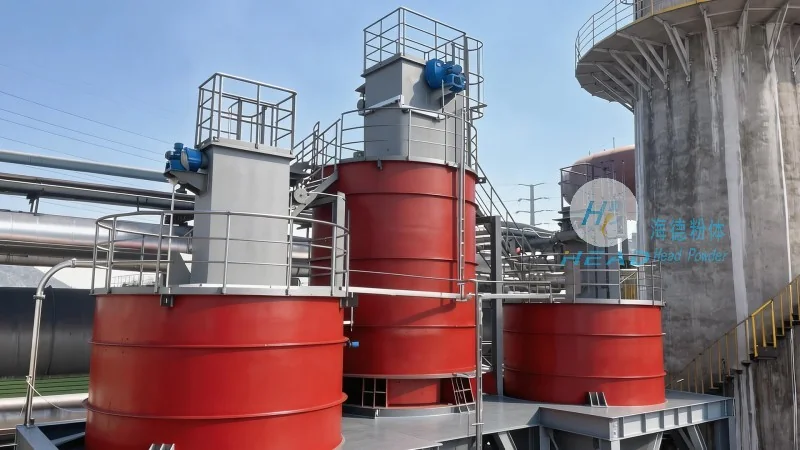
When selecting a pneumatic conveying solution for ferrous sulfate, several factors must be considered to ensure optimal performance and safety. First, the material's physical properties, such as particle size, moisture content, and flowability, play a critical role in system design. Ferrous sulfate is a fine powder, and its tendency to agglomerate or form dust can affect system efficiency. Proper material conditioning, such as drying or size reduction, may be necessary to improve flow characteristics. Second, the system's pressure and flow rate must be matched to the application requirements. High flow rates are required for large-scale production, while lower flow rates may be suitable for laboratory or small-scale operations. Third, the system's design must address dust control and environmental compliance. Ferrous sulfate is a non-hazardous material, but dust generation can pose health and safety risks. Implementing dust collection systems and proper ventilation is essential to maintain a safe working environment. Fourth, the system's maintenance and operational costs should be evaluated. Pneumatic conveying systems require regular maintenance of components like blowers, filters, and pipelines to ensure long-term reliability. Choosing a system with durable materials and easy-to-replace parts can reduce downtime and operational expenses.
Company Profile: Shandong HeadPowder Engineering Co., Ltd.
Shandong HeadPowder Engineering Co., Ltd., operating under the brand name headpowder, specializes in the design, manufacturing, and installation of pneumatic conveying systems for various bulk materials, including ferrous sulfate. With a focus on industrial efficiency and product integrity, HeadPowder provides tailored solutions that meet the specific needs of clients. The company's headquarters is located in Shandong, China, where it leverages advanced technology and experienced engineering teams to deliver high-quality systems. HeadPowder's expertise in material handling and process engineering ensures that clients receive reliable and cost-effective solutions for their pneumatic conveying requirements. The company's commitment to customer satisfaction and technical excellence has made it a trusted partner in the chemical and industrial sectors. By combining innovative design with practical application, HeadPowder helps clients optimize their material transport processes and enhance overall operational performance.




