Efficient and reliable material handling is a critical aspect of modern industrial operations, particularly when dealing with small stones or gravel. Air-pneumatic conveying systems offer a versatile and effective solution for transporting such materials over varying distances and within complex layouts. This article explores several key approaches to air-flow conveying of small stones, highlighting the technical considerations and practical applications that define successful implementations.
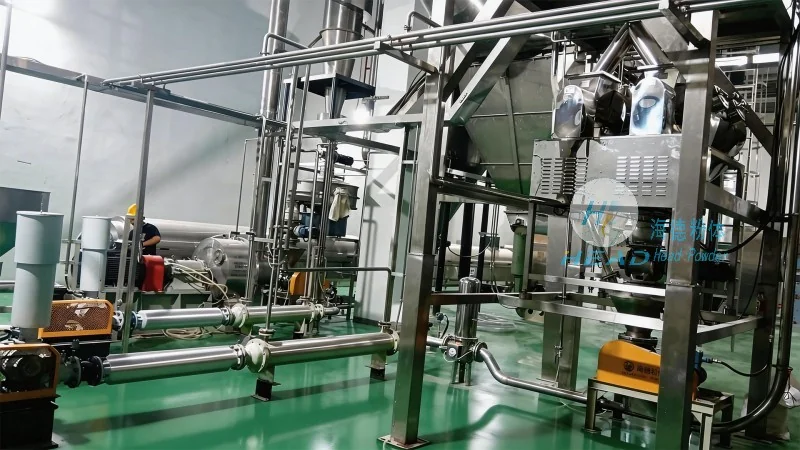
Overview of Air-Pneumatic Conveying Systems
At the core of air-pneumatic conveying is the use of compressed air or vacuum to move particulate materials through a pipeline. For small stones, which typically range in size from a few millimeters to a few centimeters, the choice of conveying method depends on factors such as material density, moisture content, and the required conveying distance. The primary types of air-pneumatic conveying systems include positive pressure, negative pressure, and combined (or mixed) pressure systems, each with distinct advantages and operational characteristics.
Positive Pressure Conveying: Direct Air Injection
Positive pressure conveying, also known as direct air injection, involves injecting high-pressure air directly into the material stream at the loading point. This method is particularly effective for small stones with moderate to high density, as the compressed air provides sufficient momentum to propel the particles through the pipeline. The system operates by creating a pressure differential between the loading and discharge points, ensuring continuous material flow. A key advantage of positive pressure systems is their ability to handle abrasive materials like small stones without excessive wear on components, thanks to robust construction and specialized materials of construction. However, they may require higher energy input and more complex filtration to manage dust and particulate emissions.
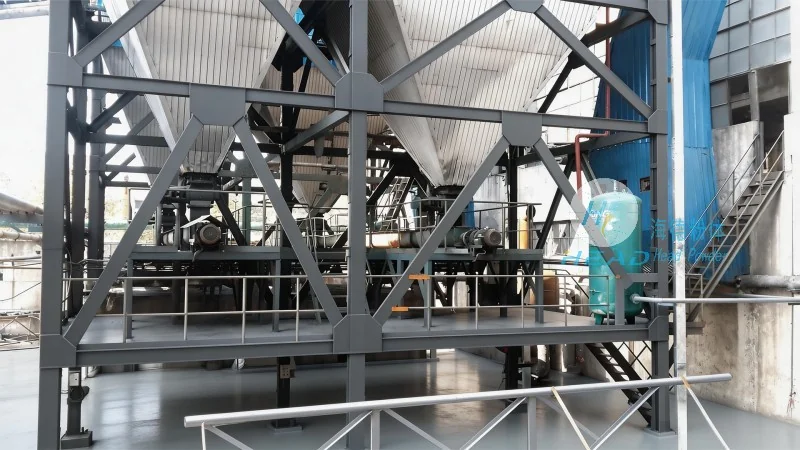
Negative Pressure Conveying: Vacuum Suction
Negative pressure conveying, or vacuum suction, works by creating a low-pressure zone at the discharge end of the pipeline, drawing material from the loading point through the system. This approach is often preferred for applications where the material needs to be transported from a source that is difficult to access or where dust containment is a priority. For small stones, negative pressure systems can effectively handle materials with lower density or higher moisture content, as the vacuum helps maintain particle integrity and reduces the risk of clogging. The main benefits include lower energy consumption compared to positive pressure systems and the ability to convey materials over longer distances with fewer intermediate points. However, negative pressure systems may be more susceptible to blockages if the material contains large or irregularly shaped particles, and they typically require more extensive maintenance to prevent air leaks and ensure consistent vacuum levels.
Combined Pressure Conveying: Hybrid Solutions
For complex conveying scenarios involving both short and long distances, or where the material characteristics vary significantly, combined pressure systems offer a balanced approach. These systems integrate elements of both positive and negative pressure, using a combination of air injection and vacuum to optimize material flow. For small stones, a hybrid system might employ positive pressure at the loading point to initiate material movement and negative pressure at the discharge end to ensure smooth delivery. This configuration allows for flexibility in handling different particle sizes and densities, making it suitable for diverse industrial applications. The hybrid approach also helps mitigate the drawbacks of each individual system, such as reduced energy consumption compared to pure positive pressure and improved material handling compared to pure negative pressure.
Customized Solutions by Shandong HeadPowder Engineering Co., Ltd.
Shandong HeadPowder Engineering Co., Ltd., a leading provider of material handling solutions, specializes in designing and manufacturing tailored air-pneumatic conveying systems for small stones. With a focus on engineering excellence and customer-centric service, the company offers comprehensive solutions that address the unique challenges of each project. The company’s expertise lies in understanding the specific material properties of small stones—such as size distribution, moisture content, and abrasiveness—and tailoring the conveying system to meet operational requirements. For instance, HeadPowder engineers may recommend a positive pressure system with reinforced pipelines and advanced filtration to handle highly abrasive small stones, or a negative pressure system with variable speed vacuum control for materials with higher moisture content. The company’s commitment to quality is evident in its adherence to international standards and rigorous testing protocols, ensuring that every system is reliable, efficient, and durable.
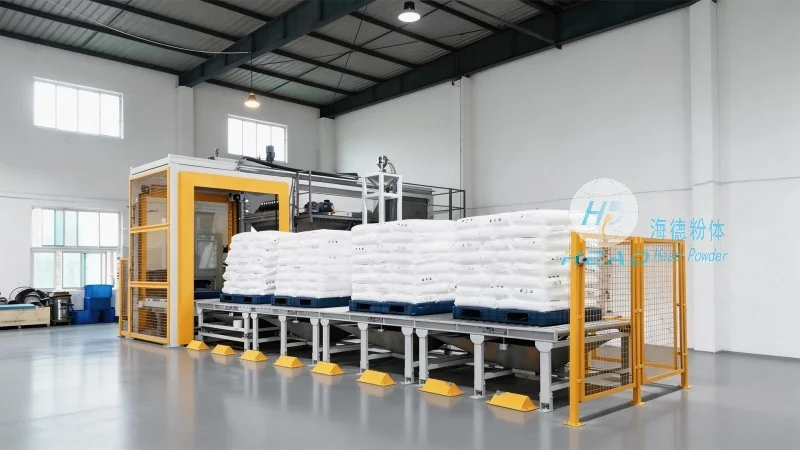
Key Considerations for Successful Implementation
Implementing an air-pneumatic conveying system for small stones requires careful consideration of several factors to ensure optimal performance and longevity. First, the material characteristics must be thoroughly analyzed, including particle size, density, and flowability, as these directly impact the system’s design and operation. Second, the conveying distance and layout of the facility must be accurately assessed to determine the appropriate system type and component specifications. Third, energy efficiency and environmental compliance are critical, as air-pneumatic systems can consume significant power and generate dust. Shandong HeadPowder Engineering Co., Ltd. addresses these considerations by providing detailed engineering assessments and customized recommendations, helping clients select the most suitable solution for their needs.
Conclusion
Several solutions exist for air-pneumatic conveying of small stones, each with its own advantages and limitations. Positive pressure systems offer high efficiency for dense materials, while negative pressure systems excel in dust control and long-distance transport. Combined pressure systems provide flexibility for complex applications. By leveraging the expertise of companies like Shandong HeadPowder Engineering Co., Ltd., industrial operators can select and implement the most effective air-pneumatic conveying solution, ensuring reliable material handling, reduced operational costs, and enhanced safety in their processes. The key to success lies in understanding the material’s properties, assessing the operational requirements, and choosing a system that balances performance, efficiency, and durability.




