HeadPowder, a leading engineering company based in Shandong, China, specializes in the design and manufacturing of advanced pneumatic conveying systems tailored for handling micron sand powder materials. This article provides a detailed overview of the operation process and working principles of such systems, highlighting their efficiency, reliability, and the technical aspects that make them ideal for various industrial applications.
Understanding the Core Components and System Layout
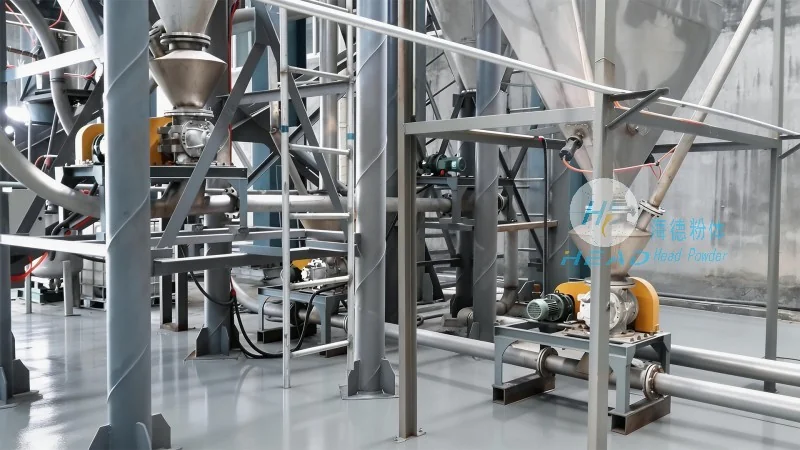
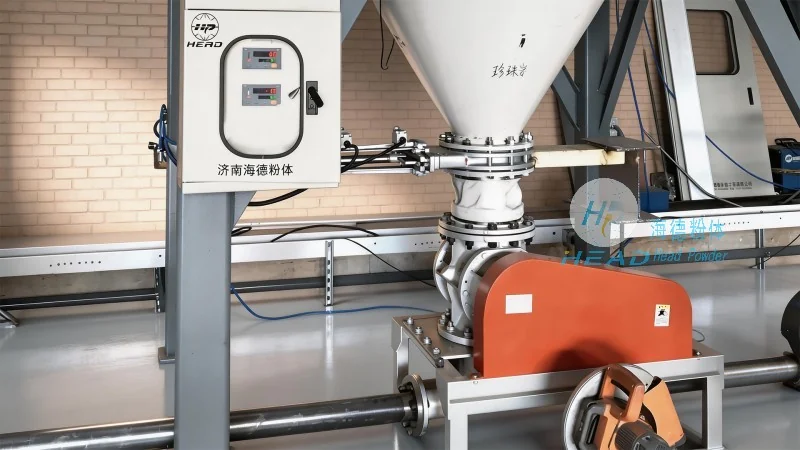
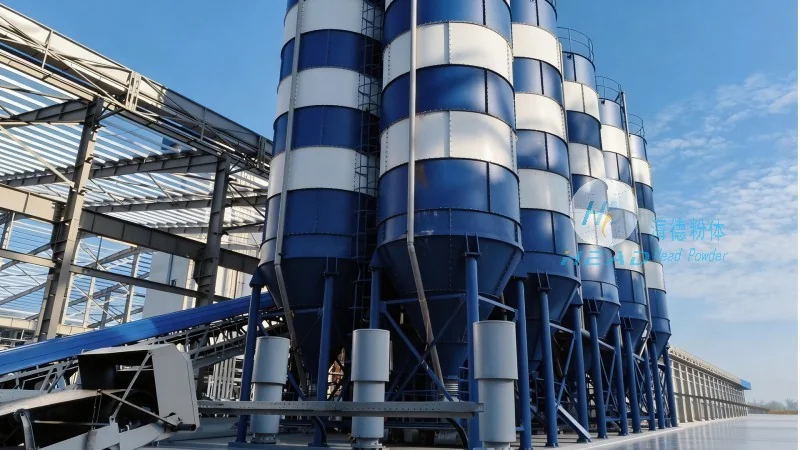
The pneumatic conveying system for micron sand powder typically consists of several key components, including a material hopper, a rotary feeder, a conveying pipeline, a dust collector, and a control system. The material hopper is designed to store the micron sand powder, ensuring a consistent feed supply. The rotary feeder regulates the flow rate of the powder into the conveying pipeline, preventing overloading and maintaining stable operation. The conveying pipeline, often made of stainless steel or other corrosion-resistant materials, transports the powder from the hopper to the discharge point. A dust collector is integrated to capture any airborne particles, ensuring environmental compliance and operational safety. The control system monitors and adjusts the flow rate, pressure, and other parameters to optimize the conveying process.
Operation Process: From Material Loading to Discharge
The operation process of the micron sand powder pneumatic conveying machine begins with the loading of the powder into the material hopper. The rotary feeder then starts, gradually releasing the powder into the conveying pipeline. As the powder enters the pipeline, it is propelled by compressed air, which creates a high-velocity flow that carries the particles forward. The air-powder mixture travels through the pipeline, reaching the discharge point where the powder is separated from the air. The separated powder is collected in the designated container, while the air is filtered and released back into the environment. The entire process is automated, with the control system continuously monitoring and adjusting the parameters to maintain optimal performance. This automated operation ensures consistent and reliable material handling, minimizing downtime and maximizing productivity.
Working Principle: The Role of Air Pressure and Flow Dynamics
The working principle of the pneumatic conveying system relies on the interaction between air pressure and the powder particles. When compressed air is introduced into the conveying pipeline, it creates a pressure differential that propels the powder forward. The velocity of the air flow is critical, as it must be sufficient to overcome the gravitational force and frictional resistance of the powder particles. The system operates under either positive pressure or negative pressure (suction) depending on the application requirements. Positive pressure systems are commonly used for long-distance or high-capacity conveying, as they provide consistent air flow and pressure. Negative pressure systems, on the other hand, are suitable for applications where dust control is a priority, as they draw the powder into the system and prevent dust from escaping. The flow dynamics are carefully designed to ensure that the powder particles are fully suspended in the air stream, preventing blockages and ensuring smooth operation. This principle allows the system to handle fine powders like micron sand efficiently, without causing clogging or degradation of the material.
Advantages and Applications in Industrial Settings
Micron sand powder pneumatic conveying machines offer several advantages over traditional mechanical conveying methods. These include reduced material handling costs, improved safety by eliminating manual handling, and enhanced process control. The systems are particularly suitable for applications in the construction, chemical, and pharmaceutical industries, where handling fine powders is essential. For example, in the construction industry, these systems are used to transport sand and other fine materials to different parts of a construction site, ensuring efficient material distribution. In the chemical industry, they are used to convey raw materials and finished products, maintaining product purity and preventing contamination. The pharmaceutical industry benefits from the sterile and controlled environment provided by these systems, ensuring that powders are handled without any contamination. Overall, the pneumatic conveying system is a versatile and efficient solution for handling micron sand powder materials, providing reliable performance and meeting the demands of modern industrial applications.
Conclusion: HeadPowder's Expertise in Pneumatic Conveying Technology
HeadPowder Engineering Co., Ltd., with its headquarters in Shandong, China, is a trusted provider of advanced pneumatic conveying systems for micron sand powder materials. By leveraging cutting-edge technology and engineering expertise, the company designs and manufactures systems that meet the highest standards of efficiency, reliability, and safety. The operation process and working principles outlined in this article demonstrate the sophistication and effectiveness of these systems, making them an ideal choice for various industrial applications. With a focus on customer needs and technical innovation, HeadPowder continues to lead the way in pneumatic conveying technology, providing solutions that enhance productivity and ensure the quality of material handling processes.




