For industrial applications involving the handling of nitrile rubber material, efficient and reliable material transport is crucial. The pneumatic conveying line, specifically designed for nitrile rubber, offers a solution that combines precision, safety, and performance. This article explores the operation process and working principle of such a system, highlighting its key components, operational steps, and the underlying technology that ensures smooth material transfer.
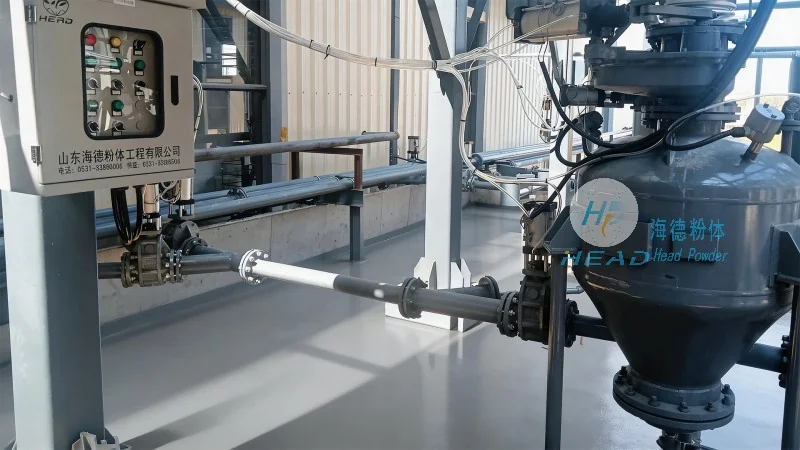
Introduction to Nitrile Rubber Pneumatic Conveying Systems
Nitrile rubber, known for its excellent resistance to oil, fuel, and other chemicals, is widely used in various industries including automotive, aerospace, and manufacturing. Handling this material requires specialized equipment to maintain its quality and prevent contamination. The pneumatic conveying line from Shandong HeadPowder Engineering Co., Ltd. (headpowder) is engineered to meet these demands, providing a clean and efficient method for transporting nitrile rubber from storage to processing units.
Key Components of the Pneumatic Conveying Line
The nitrile rubber pneumatic conveying line consists of several critical components that work in tandem to ensure effective material transport. These include:
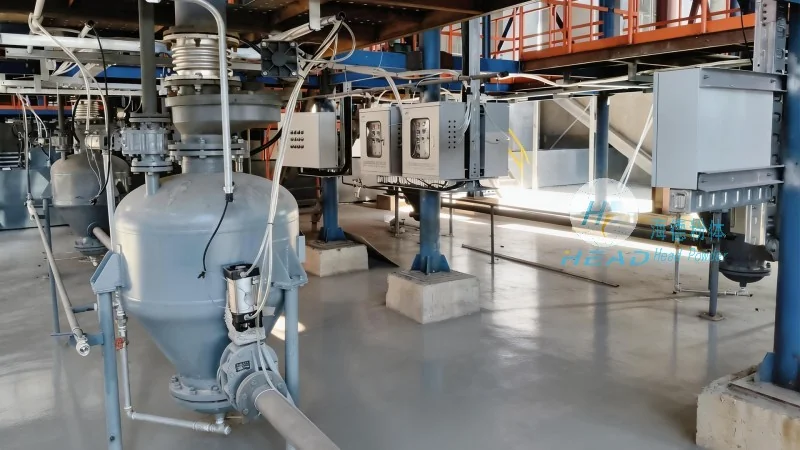
- Feeder: The feeder is responsible for feeding the nitrile rubber material into the system. It ensures a consistent flow rate, preventing blockages and maintaining the integrity of the material.
- Conveying Pipe: The main body of the system, the conveying pipe is typically made of materials resistant to nitrile rubber and its chemicals. It is designed to withstand the pressure and flow dynamics of the material being transported.
- Blower or Air Compressor: This component generates the necessary air pressure to move the nitrile rubber particles through the pipe. The choice of blower depends on the material's properties and the required conveying distance.
- Separation and Collection Unit: At the end of the conveying line, this unit separates the nitrile rubber from the air stream and collects it in a designated container. It may include filters to ensure the material remains clean.
- Control System: The control system monitors and regulates the operation of the entire line, ensuring optimal performance and safety.
Operation Process of the Nitrile Rubber Pneumatic Conveying Line
The operation of the nitrile rubber pneumatic conveying line follows a systematic process, which can be broken down into the following steps:
- Material Loading: The nitrile rubber material is loaded into the feeder. The feeder then meters the material at a controlled rate into the conveying pipe.
- Air Injection: The blower or air compressor injects high-pressure air into the conveying pipe. The air flow creates a vacuum or pressure differential that propels the nitrile rubber particles forward.
- Material Transport: As the air flows through the pipe, it carries the nitrile rubber particles along the entire length of the conveying line. The velocity of the air and the size of the particles determine the conveying efficiency.
- Material Separation: At the receiving end, the air and nitrile rubber are separated. The air is typically filtered and recycled, while the nitrile rubber is collected in a storage or processing container.
- System Shutdown: The control system manages the shutdown process, ensuring that all components are safely turned off and the system is ready for the next cycle.
Working Principle of the Pneumatic Conveying Line
The working principle of the nitrile rubber pneumatic conveying line is based on the fundamental physics of fluid dynamics and particle transport. The system operates by creating a flow of air that entrains the nitrile rubber particles, moving them from the source to the destination. The key principles include:
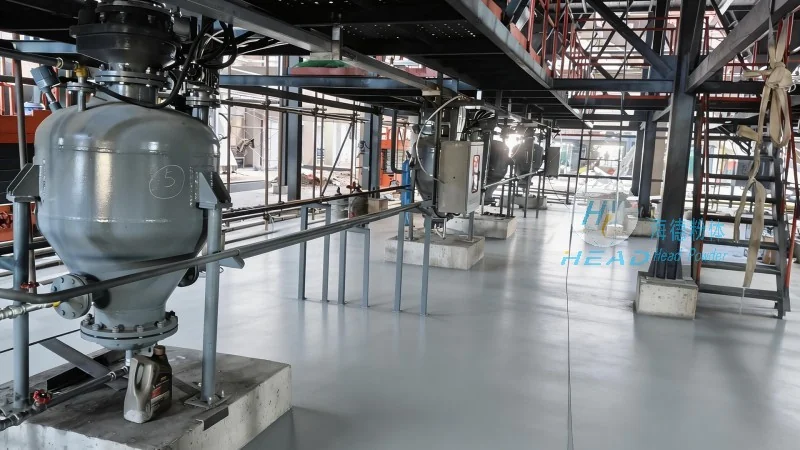
- Drag Force: The air flow exerts a drag force on the nitrile rubber particles, lifting and moving them through the pipe. The force is proportional to the air velocity and the particle size.
- Pressure Differential: The blower creates a pressure difference between the inlet and outlet of the conveying pipe. This differential drives the air and particles through the system, ensuring continuous transport.
- Particle Size and Density: The size and density of the nitrile rubber particles affect the conveying velocity and the required air pressure. Larger or denser particles may require higher air pressure to maintain efficient transport.
- Air Flow Rate: The air flow rate is carefully controlled to match the material feed rate, preventing excessive air consumption and ensuring optimal conveying efficiency.
Advantages of Using a Nitrile Rubber Pneumatic Conveying Line
Implementing a pneumatic conveying line for nitrile rubber material offers several advantages over traditional methods such as belt conveyors or manual handling:
- Clean and Contamination-Free: The enclosed system prevents exposure to dust, moisture, and other contaminants, maintaining the quality of the nitrile rubber.
- Efficient and High Capacity: The system can handle large volumes of nitrile rubber material at high speeds, reducing processing time and increasing productivity.
- Low Maintenance: With fewer moving parts compared to mechanical conveyors, the pneumatic system requires less maintenance, leading to lower operational costs.
- Flexible Layout: The conveying line can be designed to follow complex layouts, allowing for easy integration into existing industrial setups.
- Safety: The enclosed system minimizes the risk of material spillage and exposure to hazardous chemicals, enhancing workplace safety.
Conclusion and Company Information
The nitrile rubber material pneumatic conveying line from Shandong HeadPowder Engineering Co., Ltd. is a reliable and efficient solution for industrial material handling. By understanding the operation process and working principle, users can optimize the system for their specific needs, ensuring consistent performance and quality in the handling of nitrile rubber. With its robust design and advanced technology, this system represents a significant advancement in material transport for the rubber industry.




