For companies in the cement industry, the efficient and reliable transportation of auxiliary materials is crucial to production stability and quality control. The pneumatic conveying line, as a key equipment in material handling, plays a vital role in this process. This article will delve into the operation process and working principle of the cement auxiliary material pneumatic conveying line, providing a comprehensive understanding of its application and technical characteristics.
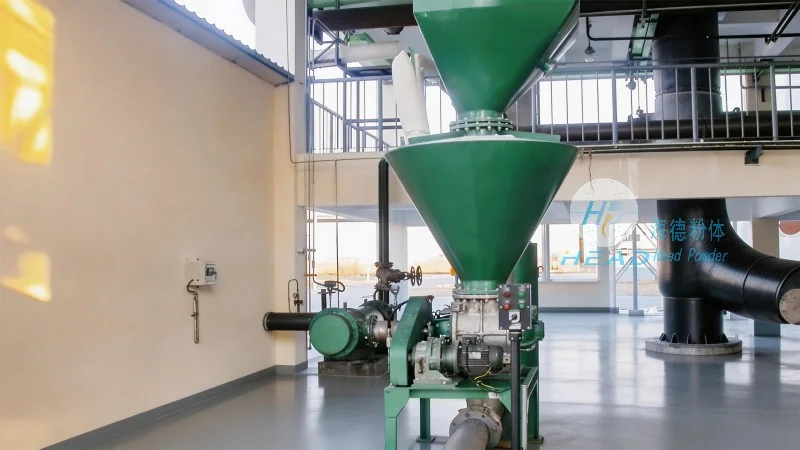
Basic Structure and Components of the Pneumatic Conveying System
The pneumatic conveying line typically consists of several core components, including the material hopper, feeder, air compressor, conveying pipeline, dust filter, and material receiver. Each component has a specific function, working together to form a complete material transport system. The material hopper is used to store the auxiliary materials, such as limestone, clay, or iron ore, and feeds them into the system. The feeder then regulates the material flow into the conveying pipeline. The air compressor provides the necessary air pressure to drive the material movement. The conveying pipeline transports the material from the feeder to the material receiver. The dust filter removes dust and moisture from the air, ensuring environmental compliance and equipment safety. The material receiver collects the transported auxiliary materials for subsequent processing.
Working Principle of the Pneumatic Conveying Line
The working principle of the pneumatic conveying line is based on the principle of air flow and material suspension. When the air compressor operates, it generates high-pressure air, which enters the conveying pipeline. The feeder then releases the auxiliary materials into the pipeline, and the high-pressure air lifts and transports the material particles. The material is suspended in the air stream and moves along the pipeline to the material receiver. The speed and pressure of the air flow are crucial factors affecting the conveying efficiency and material quality. Proper adjustment of these parameters can ensure stable and efficient material transport.
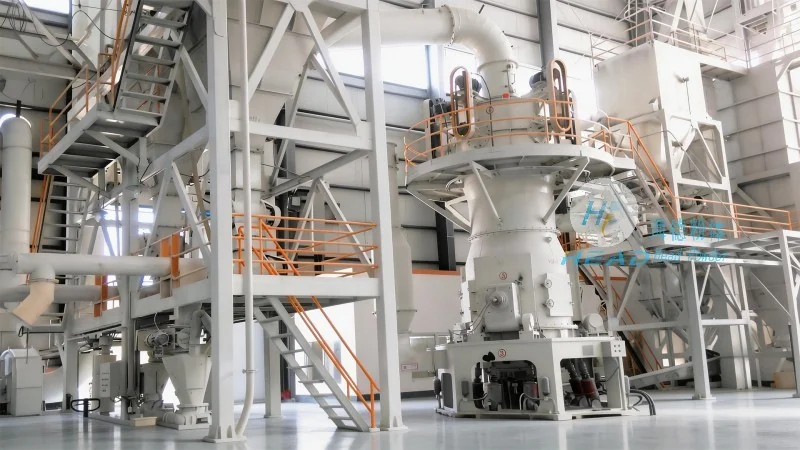
Operation Process of the Pneumatic Conveying Line
The operation process of the cement auxiliary material pneumatic conveying line generally includes the following steps: 1. Material loading: The auxiliary materials are loaded into the material hopper. 2. Feeding: The feeder starts to feed the material into the conveying pipeline at a controlled rate. 3. Conveying: The air compressor provides the required air pressure, and the material is transported along the pipeline. 4. Filtration: The air passes through the dust filter, removing dust and moisture. 5. Material collection: The transported auxiliary materials are collected in the material receiver. 6. System monitoring: Real-time monitoring of pressure, flow, and other parameters ensures the system operates within the optimal range. During the operation, the system needs regular maintenance, such as checking the air compressor, cleaning the filter, and inspecting the pipeline for any blockages or wear. Proper maintenance can extend the service life of the equipment and maintain stable conveying performance.
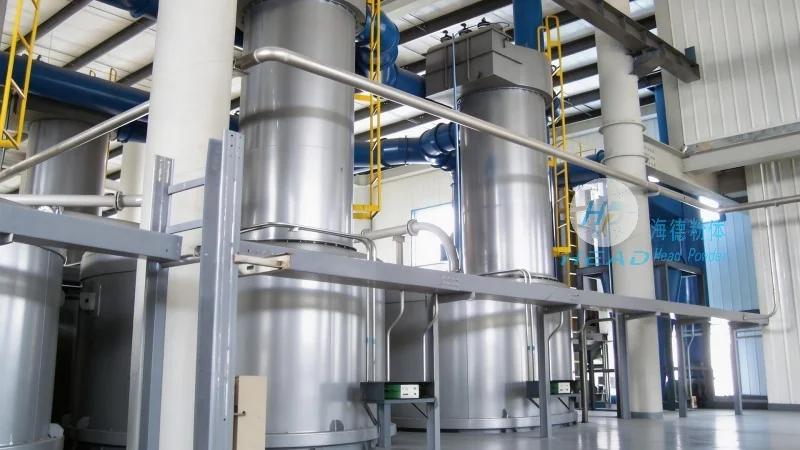
Advantages of the Pneumatic Conveying Line
The pneumatic conveying line for cement auxiliary materials offers several advantages compared to traditional material handling methods. Firstly, it provides a fully enclosed transport process, effectively preventing dust pollution and ensuring environmental compliance. Secondly, it has high conveying efficiency and can transport materials over long distances without intermediate storage. Thirdly, the system is flexible and can be adjusted to handle different types of auxiliary materials, such as powders or granules. Fourthly, it reduces labor costs and improves production safety by minimizing manual handling of materials. These advantages make the pneumatic conveying line an ideal choice for modern cement production lines.
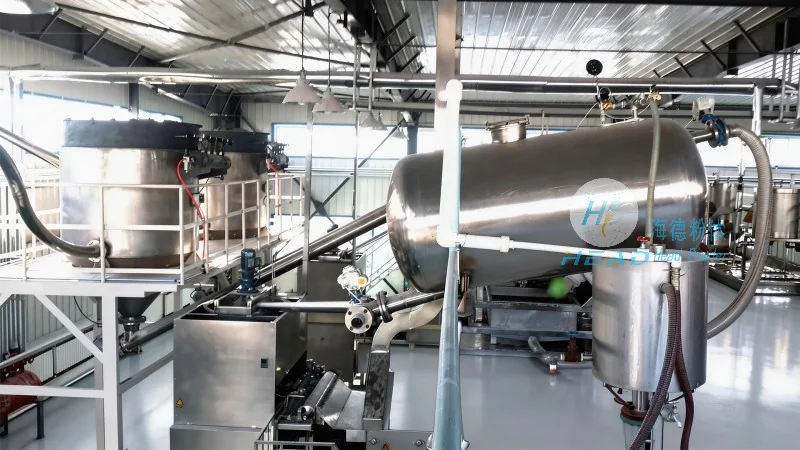
Application and Case Studies
The pneumatic conveying line is widely used in the cement industry for transporting various auxiliary materials. For example, in a large-scale cement plant, the system can transport limestone from the raw material storage area to the raw mill, with a conveying distance of over 100 meters. The system operates continuously, with a conveying capacity of several tons per hour, ensuring the stable supply of raw materials for production. Another application is the transportation of clay from the clay mine to the cement plant, where the system handles the clay powder and transports it to the mixing station. These cases demonstrate the effectiveness and reliability of the pneumatic conveying line in cement production.
Conclusion
In conclusion, the pneumatic conveying line for cement auxiliary materials is a highly efficient and reliable material handling system. Its operation process and working principle are based on the principles of air flow and material suspension, with a structured system of components working together to achieve stable and efficient material transport. The system offers significant advantages in terms of environmental protection, production efficiency, and safety. As the cement industry continues to develop, the pneumatic conveying line will play an increasingly important role in material handling, contributing to the sustainable development of the industry. Shandong HeadPowder Engineering Co., Ltd., as a professional manufacturer of material handling equipment, provides high-quality pneumatic conveying lines tailored to the needs of cement plants, ensuring stable and efficient material transport for customers.




