Ammonium bicarbonate, a widely used chemical in industrial applications, requires efficient and reliable material handling solutions for its transportation. The pneumatic conveying line designed specifically for ammonium bicarbonate offers a robust system that ensures safe and effective movement of this material from storage to processing units. This article provides an in-depth look at the operation process and working principle of such a system, highlighting the key components and operational dynamics involved.
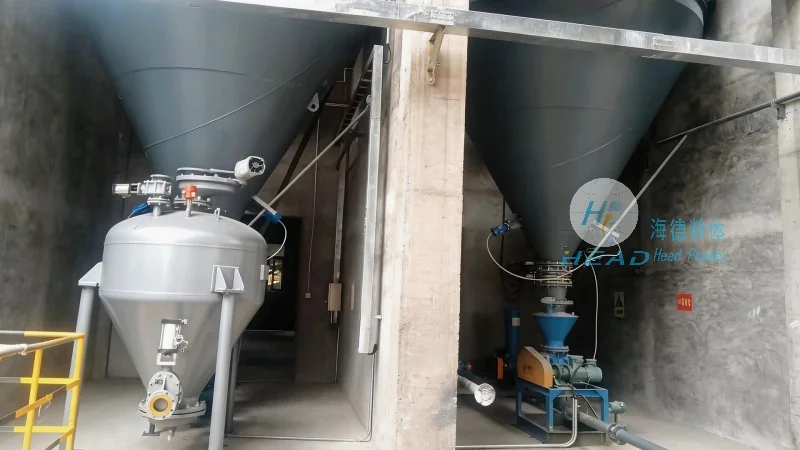
Key Components of the Pneumatic Conveying System
The pneumatic conveying line for ammonium bicarbonate typically consists of several critical components that work in tandem to achieve efficient material transport. These components include the hopper for material storage, a rotary valve for controlled discharge, a conveying pipeline system, a blower or air compressor to generate the necessary airflow, and a receiver or discharge hopper at the destination. Each component plays a vital role in ensuring the smooth and continuous operation of the system. The hopper is designed to accommodate the bulk storage of ammonium bicarbonate, providing a stable feed source. The rotary valve, often equipped with a metering function, regulates the flow rate of the material into the pipeline, preventing overloading and ensuring consistent air-mass ratio. The conveying pipeline, usually made of corrosion-resistant materials such as stainless steel or special plastics, is designed to handle the potential moisture and chemical properties of ammonium bicarbonate, minimizing material degradation and system wear. The blower or air compressor generates the high-pressure air required to move the material particles through the pipeline. The air velocity and pressure are carefully controlled to maintain the material in a suspended state, avoiding blockages and ensuring efficient transport. The receiver or discharge hopper at the end of the line collects the conveyed material, allowing for its subsequent processing or storage.
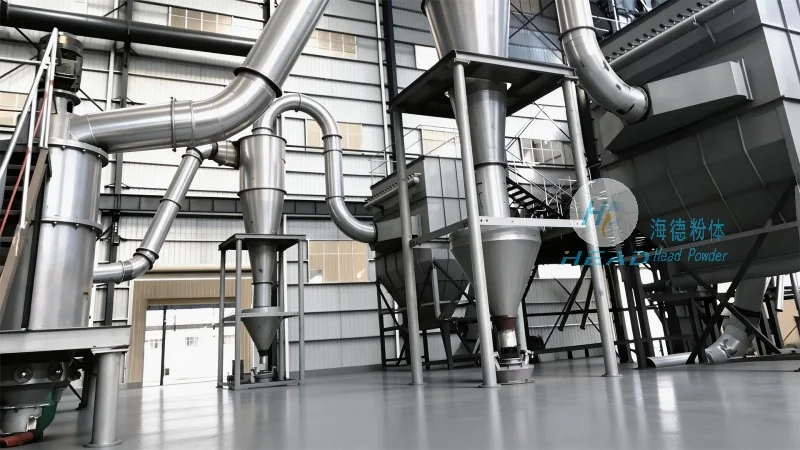
Operation Process of the Pneumatic Conveying Line
The operation of the ammonium bicarbonate pneumatic conveying line follows a systematic sequence that ensures the material is transported safely and efficiently. The process begins with the loading of ammonium bicarbonate into the storage hopper. The material is then discharged from the hopper into the rotary valve, which controls the flow rate based on the system's air requirements. The rotary valve feeds the material into the conveying pipeline at a controlled rate, ensuring that the air-mass ratio remains optimal for efficient transport. The blower then generates the necessary airflow, which carries the ammonium bicarbonate particles through the pipeline. As the material travels through the pipeline, it remains in a suspended state due to the high air velocity, preventing clogging and ensuring smooth movement. The conveying line may include additional components such as bends, expansions, or filters to maintain the material's flow and prevent system blockages. Upon reaching the destination, the material is discharged into the receiver hopper. The receiver hopper then stores the material until it is further processed or transferred to other units. The entire operation is typically automated, with sensors and control systems monitoring the flow rate, pressure, and material level to ensure consistent performance. The system is designed to operate continuously, minimizing downtime and maximizing productivity. Regular maintenance, including cleaning of the pipeline and blower, is essential to maintain the system's efficiency and longevity.
Working Principle of the Pneumatic Conveying System
The working principle of the ammonium bicarbonate pneumatic conveying line is based on the principle of fluidization and suspension of solid particles in a gas stream. The system utilizes a high-pressure air flow to transport the material particles through the pipeline. The key to the system's efficiency lies in maintaining the material in a suspended state, where the air velocity is sufficient to counteract the gravitational force acting on the particles. This suspended state ensures that the material flows smoothly through the pipeline without settling or clogging. The air-mass ratio, which is the ratio of air volume to material mass, is a critical parameter that determines the system's performance. An optimal air-mass ratio ensures that the material is transported efficiently while minimizing energy consumption. The blower or air compressor provides the necessary pressure and airflow to achieve this ratio. The conveying pipeline's design, including its diameter and length, also affects the system's performance. A properly sized pipeline ensures that the air velocity remains within the optimal range for material transport. The system's control mechanisms, such as the rotary valve and sensors, help maintain the air-mass ratio and prevent overloading. The receiver hopper at the end of the line helps in settling the material from the air stream, allowing for its collection and subsequent use. The entire process is a continuous cycle, where the material is continuously fed from the storage hopper, transported through the pipeline, and discharged into the receiver hopper. The system's design and operation are tailored to handle the specific properties of ammonium bicarbonate, such as its moisture content and chemical reactivity, ensuring that the material is handled safely and effectively.
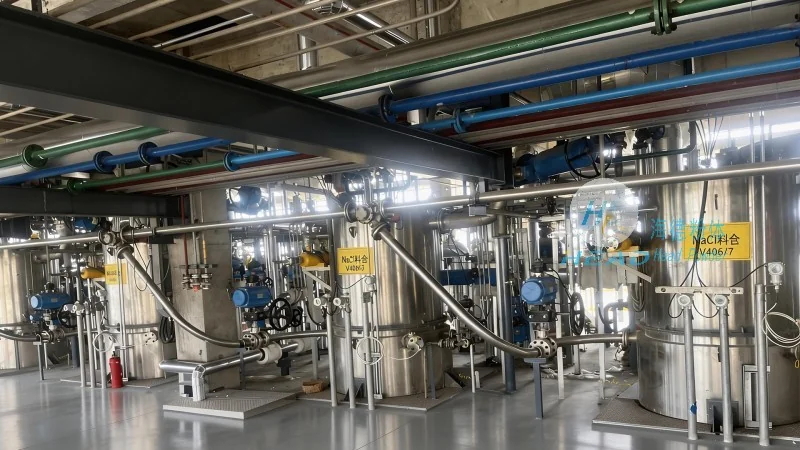
About Shandong HeadPowder Engineering Co., Ltd.
Shandong HeadPowder Engineering Co., Ltd., commonly known as headpowder, is a leading manufacturer and supplier of industrial material handling solutions. With a focus on providing high-quality and reliable systems for various chemical and bulk material applications, the company has established itself as a trusted partner in the industry. Headpowder specializes in the design, manufacturing, and installation of pneumatic conveying systems, including those for ammonium bicarbonate and other similar materials. The company's expertise lies in understanding the unique properties of different materials and designing systems that meet the specific requirements of each application. With a strong commitment to quality and customer satisfaction, Headpowder ensures that its products are built to withstand the rigors of industrial use and provide long-term performance. The company's facilities are equipped with advanced technology and skilled personnel, enabling it to deliver customized solutions that meet the diverse needs of its clients. Headpowder's products are widely used in various industries, including chemical manufacturing, food processing, and pharmaceuticals, where efficient material handling is crucial for operational efficiency. The company's dedication to innovation and customer service has helped it build a strong reputation in the market, making it a preferred choice for businesses seeking reliable material handling solutions.




