Biomass powder material pneumatic conveying lines are essential for the efficient handling and transportation of biomass powders in various industrial applications. These systems utilize air or gas as the conveying medium to transport bulk materials over long distances or vertical heights, offering advantages such as low maintenance, minimal product contamination, and the ability to handle a wide range of powder characteristics. Understanding the operation process and working principle of these systems is crucial for optimizing performance and ensuring reliable material transport in biomass processing facilities.
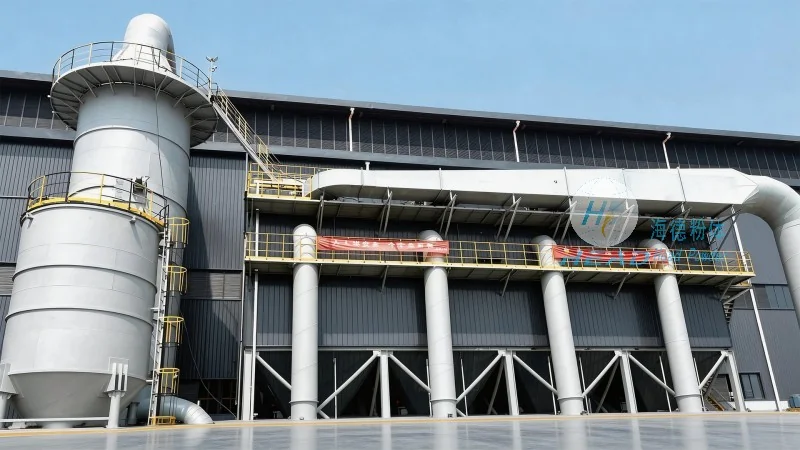
Company Overview: Shandong HeadPowder Engineering Co., Ltd.
HeadPowder, a leading engineering company based in Shandong, China, specializes in the design, manufacturing, and installation of advanced pneumatic conveying systems. With a strong focus on innovation and customer-centric solutions, HeadPowder has established itself as a trusted partner in the biomass processing industry. The company's expertise in material handling technology enables it to deliver customized solutions that meet the specific requirements of clients, ensuring efficient and reliable operation of biomass powder conveying lines.
Key Components of Biomass Powder Pneumatic Conveying Lines
The operation of a biomass powder pneumatic conveying line involves several key components that work in tandem to ensure smooth material transport. These components include the material hopper, which stores the biomass powder; the air supply system, which provides the necessary pressure and flow of air; the conveying line itself, which may consist of flexible hoses or rigid pipes; and the discharge device, which delivers the material to the destination. Each component plays a critical role in the overall performance of the system, and proper integration is essential for optimal operation.
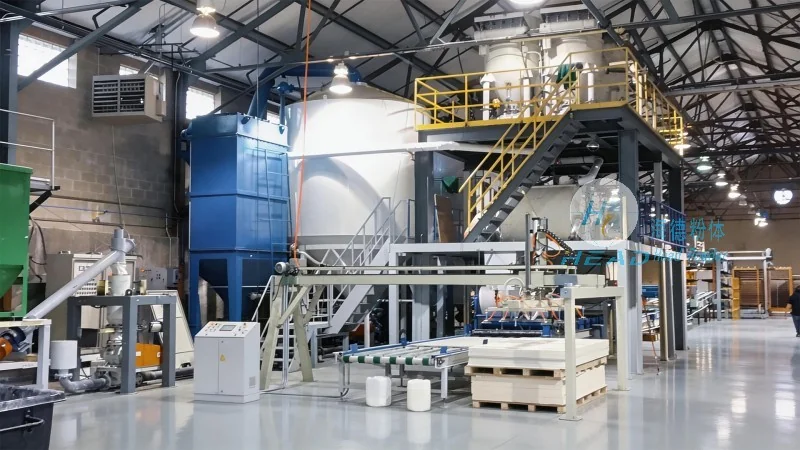
Working Principle of Pneumatic Conveying
The working principle of a biomass powder pneumatic conveying line is based on the principle of fluidization and suspension of the powder particles in the air stream. When air is introduced into the material hopper at a sufficient velocity, the powder particles are lifted and carried along the conveying line. The air velocity must be maintained above the minimum fluidization velocity to prevent particle settling and ensure continuous transport. The system typically operates under positive pressure or negative pressure, depending on the application and material characteristics. Positive pressure systems use compressed air to push the material through the line, while negative pressure systems use suction to draw the material from the source.
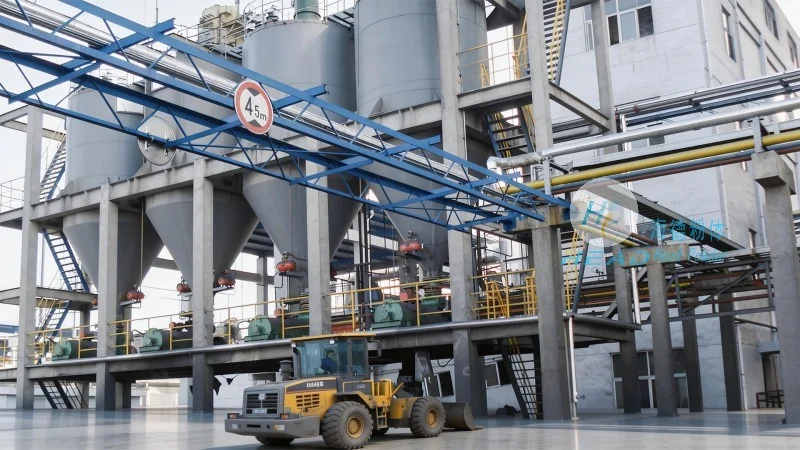
Operation Process of Biomass Powder Pneumatic Conveying Lines
The operation process of a biomass powder pneumatic conveying line begins with the loading of the biomass powder into the material hopper. The air supply system then starts, and the air is introduced into the hopper at a controlled rate. As the air flows through the powder, it creates a fluidized bed, lifting the particles and initiating the conveying process. The material is then transported through the conveying line to the discharge point, where it is collected and used in downstream processes. The system continues to operate until the material hopper is emptied or the air supply is turned off. Proper control of air pressure, flow rate, and material feed rate is crucial to maintain stable operation and prevent issues such as blockages or excessive pressure drops.
Advantages and Considerations in Biomass Powder Pneumatic Conveying
Biomass powder pneumatic conveying lines offer several advantages over traditional mechanical conveying methods. These include low maintenance requirements, as there are no moving parts in direct contact with the material; minimal product contamination, as the system is enclosed and air is filtered; and the ability to handle materials with varying particle sizes and moisture content. However, the system also has some considerations, such as the need for proper air filtration to prevent dust accumulation and the potential for pressure drops in long conveying lines. Additionally, the selection of the appropriate air velocity and conveying line diameter is critical to ensure efficient and reliable transport, as these factors directly impact the system's performance and energy consumption.




