Understanding the operation process and working principle of a sodium hydroxide powder material handling line is crucial for industries that rely on efficient and safe handling of this caustic chemical. This article provides a detailed overview of the key components, operational steps, and technical aspects involved in such a system, emphasizing the importance of precision and safety in material handling.
Introduction to Sodium Hydroxide Powder Handling Systems
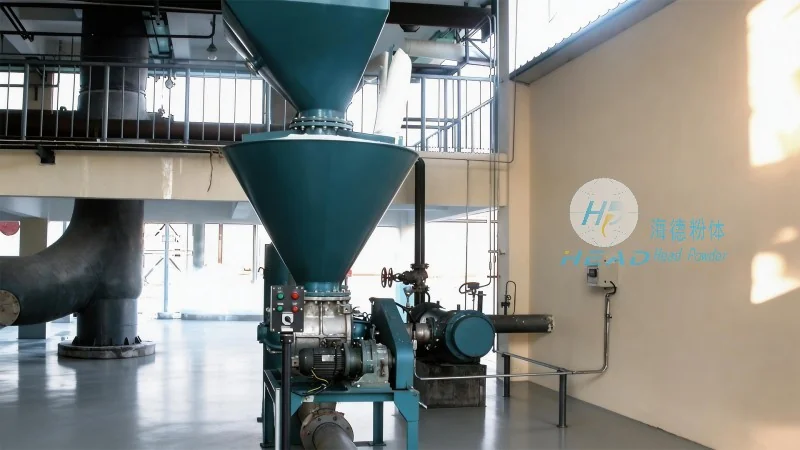
Sodium hydroxide, commonly known as caustic soda, is a highly reactive and corrosive chemical widely used in various industrial applications, including chemical manufacturing, paper production, and water treatment. Efficient handling of sodium hydroxide powder requires specialized equipment and systems designed to ensure safety, minimize dust generation, and maintain consistent material flow. The material handling line typically integrates multiple components, including storage silos, conveying systems, and control mechanisms, to facilitate the seamless transfer of the powder from storage to processing units.
Key Components of the Material Handling Line
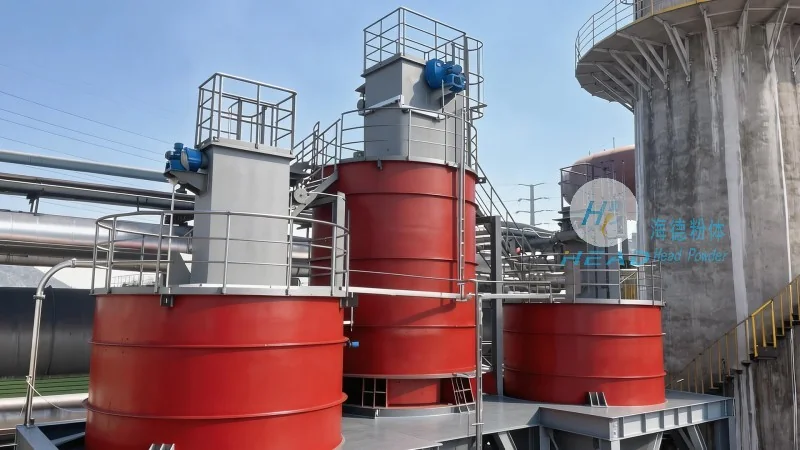
The sodium hydroxide powder material handling line consists of several critical components that work in tandem to ensure smooth operation. The primary components include bulk storage silos, which are designed to store large quantities of the powder under controlled conditions. These silos are often equipped with agitators or level sensors to monitor the material level and prevent overfilling or caking. The conveying system, which may include screw conveyors, pneumatic conveyors, or belt conveyors, is responsible for transporting the powder from the storage silos to the processing equipment. Additionally, the system incorporates dust collection and filtration systems to maintain a safe working environment by capturing and neutralizing any airborne particles.
Operation Process of the Material Handling Line
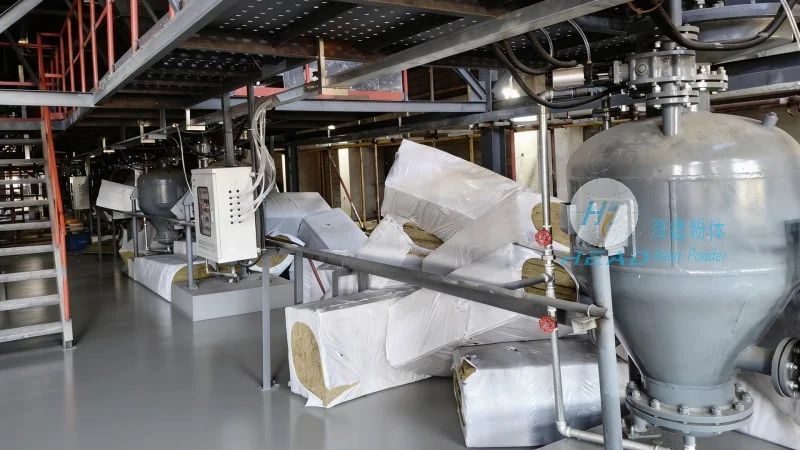
The operation of the sodium hydroxide powder material handling line follows a systematic sequence of steps to ensure efficient and safe material transfer. The process begins with the material being stored in the bulk silos. When the processing unit requires the powder, the control system activates the conveying mechanism, which may involve the use of a screw conveyor or a pneumatic system to move the powder from the silo to the discharge point. The powder is then transferred to the processing equipment, such as reactors or mixers, through a series of valves and piping. Throughout the process, the system monitors key parameters, including pressure, flow rate, and temperature, to ensure optimal performance and prevent any potential hazards. The control system also includes safety features, such as emergency shut-off valves and dust suppression mechanisms, to protect operators and the environment.
Working Principle of the Conveying Systems
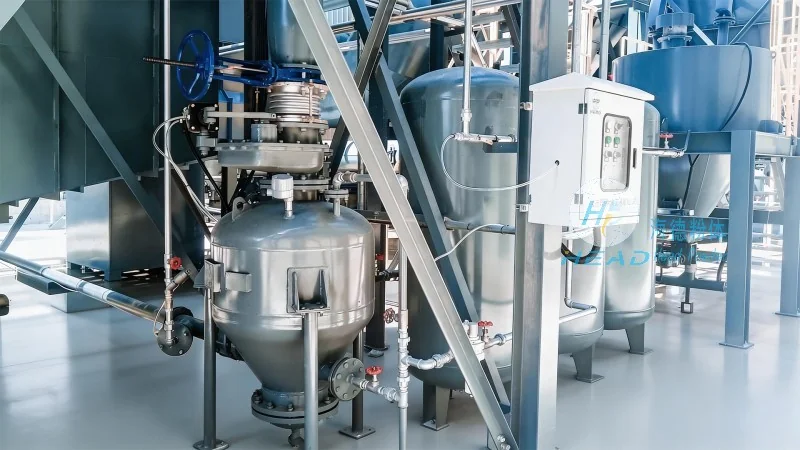
The conveying systems used in the sodium hydroxide powder material handling line operate based on different principles to suit various material characteristics and operational requirements. Screw conveyors, for example, use rotating screws to push the powder along a trough, providing a reliable and continuous flow. Pneumatic conveyors, on the other hand, utilize air pressure to transport the powder through a pipeline, which is particularly effective for handling fine powders and minimizing dust generation. The choice of conveying system depends on factors such as the powder's moisture content, particle size, and the required distance of transport. Each system is designed to maintain the integrity of the material and prevent segregation or degradation during transport.
Safety and Maintenance Considerations
Given the caustic nature of sodium hydroxide, safety is a paramount consideration in the operation of the material handling line. The system incorporates multiple safety measures, including explosion-proof components, leak detection systems, and personal protective equipment (PPE) requirements for operators. Regular maintenance is essential to ensure the longevity and reliability of the equipment. This includes routine inspections of the silos, conveyors, and control systems, as well as cleaning and lubrication of moving parts. Proper maintenance not only extends the lifespan of the equipment but also minimizes the risk of accidents and ensures consistent performance.
Applications and Industry Impact
The efficient operation of sodium hydroxide powder material handling lines has a significant impact on industrial processes, enabling manufacturers to maintain high production rates while adhering to safety standards. The systems are designed to handle large volumes of material with minimal downtime, contributing to overall operational efficiency. Additionally, the integration of advanced control systems allows for real-time monitoring and adjustment of the process, enhancing product quality and reducing waste. The technology employed in these systems reflects the industry's commitment to innovation and safety, ensuring that sodium hydroxide can be handled effectively and responsibly in various industrial applications.




