Shandong HeadPowder Engineering Co., Ltd., a leading enterprise in the field of industrial material handling, specializes in the design, manufacturing, and supply of high-efficiency equipment for kaolin processing. The company, commonly known as HeadPowder, is headquartered in Shandong, China, and has established a strong reputation for its innovative solutions tailored to the unique challenges of kaolin material handling. This article provides a detailed exploration of the operation process and working principle of the equipment used to transport kaolin, highlighting the key components, operational steps, and technical aspects that ensure efficient and reliable performance.
Key Components of Kaolin Material Handling Equipment
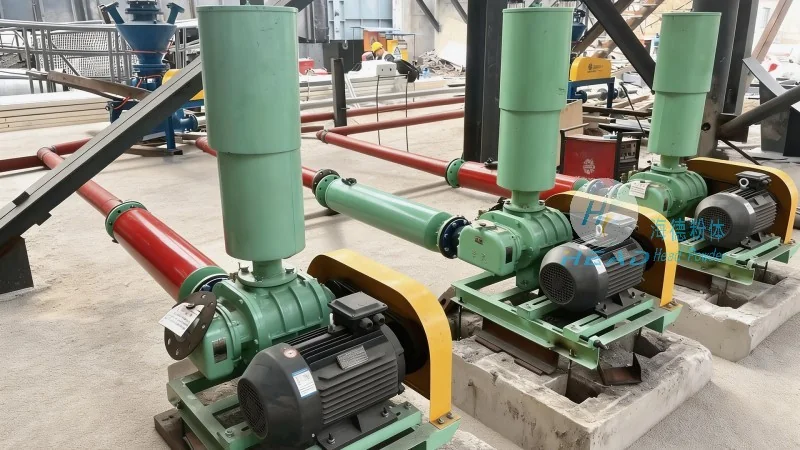
The equipment used for kaolin material handling typically consists of several core components that work in tandem to ensure smooth material flow. These components include feeders, conveyors, storage silos, and control systems. The feeders are responsible for receiving and distributing the kaolin from the source, such as a hopper or storage bin. They ensure a consistent and controlled flow of material into the conveyor system. The conveyors, which may be belt conveyors, screw conveyors, or pneumatic conveyors depending on the application, transport the kaolin from the feeder to the next stage of processing or storage. Storage silos are used to temporarily hold the kaolin, providing a buffer between the conveyor system and downstream processes. Finally, the control systems monitor and regulate the operation of all components, ensuring that the material handling process runs smoothly and efficiently.
Operation Process of Kaolin Material Handling Equipment
The operation process of kaolin material handling equipment begins with the loading of kaolin into the feed hopper. The feed hopper is a large container that stores the raw kaolin material. Once the hopper is filled, the feeder mechanism activates, gradually releasing the kaolin into the conveyor system. The feeder may use a variety of mechanisms, such as a rotary valve or a screw feeder, to control the flow rate of the material. The conveyor then transports the kaolin to the storage silo or the next processing unit. The speed of the conveyor is adjustable, allowing operators to control the flow rate of the material. The control system continuously monitors the level of material in the hopper and silo, providing feedback to adjust the feeder speed as needed. This closed-loop control system ensures that the material handling process is optimized for efficiency and minimal waste.
Working Principle of Kaolin Material Handling Equipment
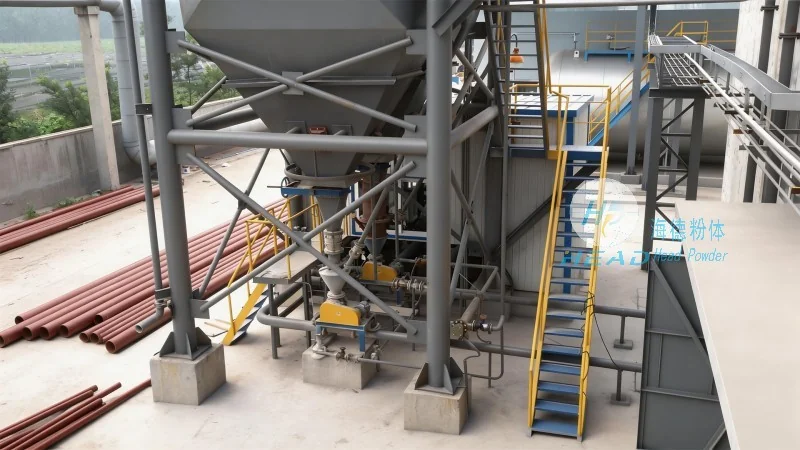
The working principle of kaolin material handling equipment is based on the principles of mechanical and pneumatic transport. Mechanical conveyors, such as belt conveyors and screw conveyors, use mechanical energy to move the kaolin. Belt conveyors consist of a continuous belt that is looped around two or more pulleys. The material is placed on the belt at one end, and the belt's movement transports it to the other end. Screw conveyors use a rotating screw to push the material forward. Pneumatic conveyors, on the other hand, use compressed air to transport the kaolin in a sealed pipe. The material is mixed with air and transported through the pipe, which can be used for long-distance or vertical transport. The choice of conveyor type depends on factors such as the material's properties, the distance to be covered, and the required speed of transport. All components are designed to handle the specific characteristics of kaolin, such as its fine particle size and low bulk density, ensuring that the equipment operates effectively without clogging or damage.
Advantages of Using Kaolin Material Handling Equipment
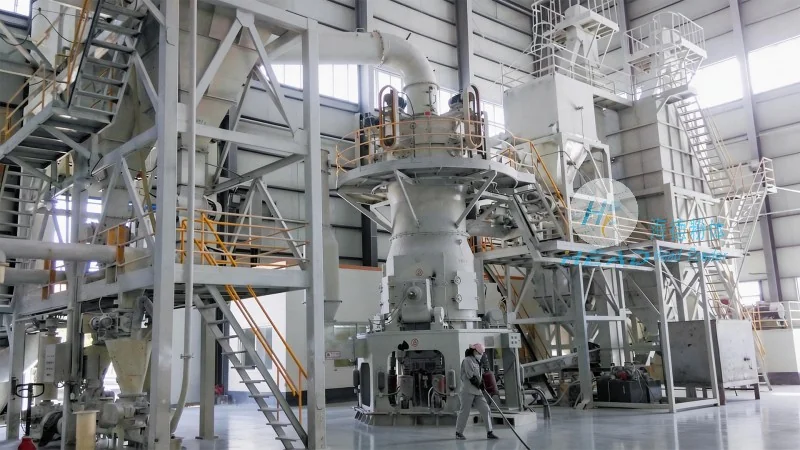
Using specialized equipment for kaolin material handling offers several advantages over traditional methods. First, it improves efficiency by ensuring a consistent and controlled flow of material, reducing downtime and waste. The equipment is designed to handle the unique properties of kaolin, such as its fine particle size and tendency to stick together, which can cause blockages in traditional systems. The closed-loop control system allows for real-time monitoring and adjustment, minimizing the risk of overloading or underloading the conveyor. Second, the equipment is designed for durability and low maintenance, reducing operational costs over the long term. The materials used in the construction of the equipment, such as stainless steel and high-quality plastics, are resistant to corrosion and wear, ensuring a long service life. Third, the equipment is scalable, allowing it to be customized to meet the specific needs of different production facilities. Whether a small-scale processing plant or a large industrial operation, the equipment can be adjusted to handle varying volumes of kaolin. Finally, the equipment enhances safety by reducing the need for manual handling of heavy or fine materials, minimizing the risk of accidents and injuries.
Conclusion
In conclusion, the operation process and working principle of kaolin material handling equipment are critical to the efficient and reliable processing of kaolin. The equipment, designed and manufactured by Shandong HeadPowder Engineering Co., Ltd., incorporates advanced technology and robust components to ensure optimal performance. By understanding the key components, operation process, and working principles, users can make informed decisions about the equipment that best suits their needs. The company's commitment to quality and innovation ensures that its equipment meets the highest standards, providing long-term value and reliability for its customers. Whether for industrial processing or other applications, the use of specialized kaolin material handling equipment is essential for achieving efficient and sustainable operations.




