HeadPowder, a leading provider in the field of pneumatic conveying technology, specializes in the design, manufacturing, and implementation of advanced mixed positive and negative pressure pneumatic conveying systems. This article delves into the operational process and underlying working principles of such equipment, highlighting its efficiency, versatility, and industrial applications.
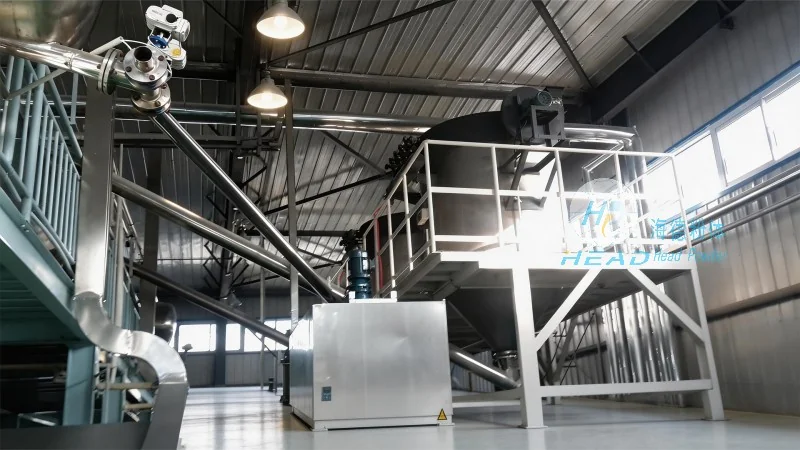
Introduction to the Mixed Positive and Negative Pressure Pneumatic Conveying System
The mixed positive and negative pressure pneumatic conveying system is a sophisticated piece of industrial equipment engineered to transport bulk materials over long distances with minimal maintenance and operational costs. HeadPowder, based in Shandong, China, has been at the forefront of developing these systems, leveraging cutting-edge technology to meet the diverse needs of various industries, including food processing, pharmaceuticals, and chemical manufacturing.
Company Overview: HeadPowder Engineering Co., Ltd.
HeadPowder Engineering Co., Ltd. is a reputable company headquartered in Shandong, China. With a strong commitment to innovation and quality, the company has established itself as a trusted partner for businesses seeking reliable and efficient material handling solutions. HeadPowder's expertise lies in customizing pneumatic conveying systems to suit specific operational requirements, ensuring optimal performance and durability in demanding industrial environments.
Understanding the Working Principle of the System
The core of the mixed positive and negative pressure pneumatic conveying system lies in its dual-pressure mechanism. This system combines both positive and negative pressure stages to transport materials efficiently. In the positive pressure phase, air is pressurized and directed through the conveying line, drawing material from the source and propelling it forward. The negative pressure phase, on the other hand, uses suction to draw material from a lower elevation or a separate hopper, ensuring smooth material transfer even in complex layouts.
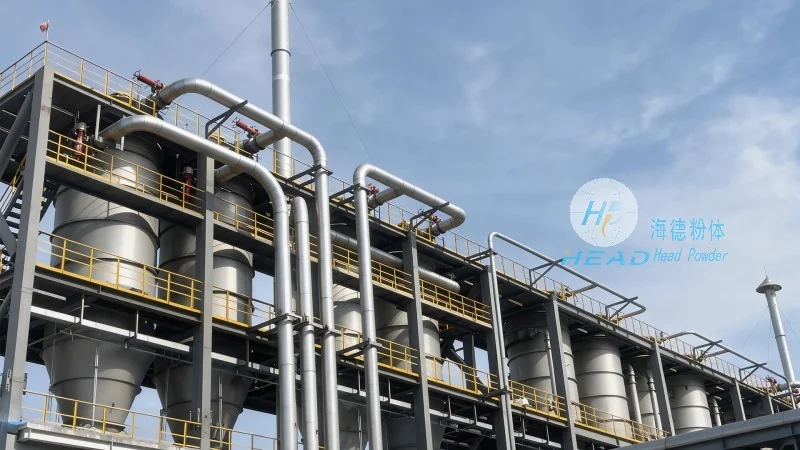
Step-by-Step Operational Process
The operation of the mixed positive and negative pressure pneumatic conveying system involves several key steps that ensure seamless material transport. Initially, the system is activated, and the positive pressure stage begins by generating a high-pressure air flow. This air flow creates a pressure differential that draws the bulk material from the source into the conveying line. As the material moves through the system, the negative pressure stage may be engaged to assist in material transfer, especially when dealing with materials that are difficult to move or require a change in elevation. The system continuously monitors pressure and flow rates to maintain optimal performance, adjusting as needed to prevent blockages or inefficiencies.
Key Components and Their Roles
Several critical components work in tandem to ensure the smooth operation of the mixed positive and negative pressure pneumatic conveying system. These include the air compressor, which generates the necessary pressure for the positive stage; the vacuum pump or fan for the negative stage; the material feeders, which control the flow of bulk material; and the conveying pipes, which transport the material from one location to another. Each component is designed to withstand the demands of industrial use, ensuring long-term reliability and minimal downtime.
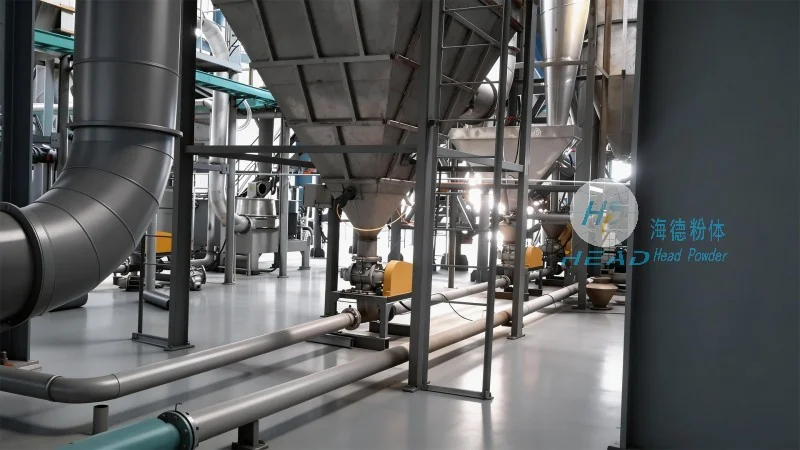
Advantages and Applications
The mixed positive and negative pressure pneumatic conveying system offers numerous advantages over traditional material handling methods. Its ability to transport materials over long distances without the need for intermediate storage or manual handling reduces labor costs and improves overall efficiency. Additionally, the system is highly versatile, capable of handling a wide range of materials, from fine powders to bulk solids. HeadPowder's systems have been successfully implemented in various industries, including food processing, where hygiene and material purity are paramount, and chemical manufacturing, where precise control over material transport is essential.
Maintenance and Operational Considerations
To ensure the longevity and optimal performance of the mixed positive and negative pressure pneumatic conveying system, regular maintenance is crucial. HeadPowder recommends routine checks of air pressure, filter cleanliness, and material feeder settings. Additionally, monitoring for signs of wear and tear on components such as pipes and valves helps in early detection of potential issues, preventing costly breakdowns. Proper operational procedures, including starting and stopping the system in the correct sequence, also contribute to the system's efficiency and longevity.
Conclusion
HeadPowder Engineering Co., Ltd. continues to lead the way in the development and application of mixed positive and negative pressure pneumatic conveying systems. By combining advanced technology with a deep understanding of industrial needs, the company provides solutions that enhance operational efficiency, reduce costs, and improve overall productivity. The mixed positive and negative pressure pneumatic conveying system, with its robust design and versatile capabilities, remains a preferred choice for businesses seeking reliable material handling solutions in today's competitive industrial landscape.




