Efficient and reliable material handling is a critical requirement in industries that process manganese carbonate materials. Pneumatic conveying equipment offers a superior solution to traditional mechanical methods, providing a clean, low-maintenance, and highly efficient way to transport these materials. The technology relies on the principle of using a gas stream, typically air, to move the material through a pipeline system. This approach eliminates the need for moving parts like belts or buckets, reducing wear and tear while ensuring consistent flow rates. The result is a system that can handle fine powders and granular manganese carbonate with precision, making it ideal for various industrial applications.
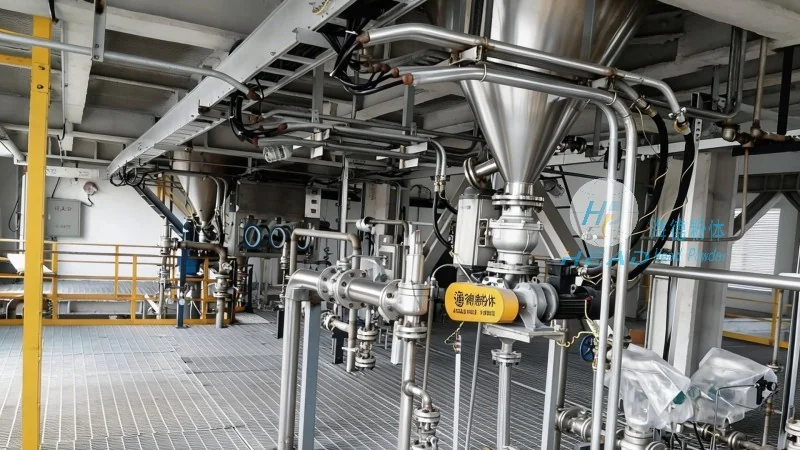
The Core Principle of Pneumatic Conveying for Manganese Carbonate
The operation of pneumatic conveying equipment for manganese carbonate materials is based on fluid dynamics and particle entrainment. A blower or compressor generates the necessary air pressure, which is then directed through a pipeline. The material is introduced into the system via a hopper or feeder, where it is drawn into the air stream. The velocity of the air is carefully controlled to ensure that the manganese carbonate particles are fully entrained without causing excessive pressure drops or particle degradation. This controlled velocity is crucial for maintaining the integrity of the material, preventing agglomeration or breakage during transport. The system can operate in either positive pressure (blow-through) or negative pressure (suction) modes, depending on the specific requirements of the application.
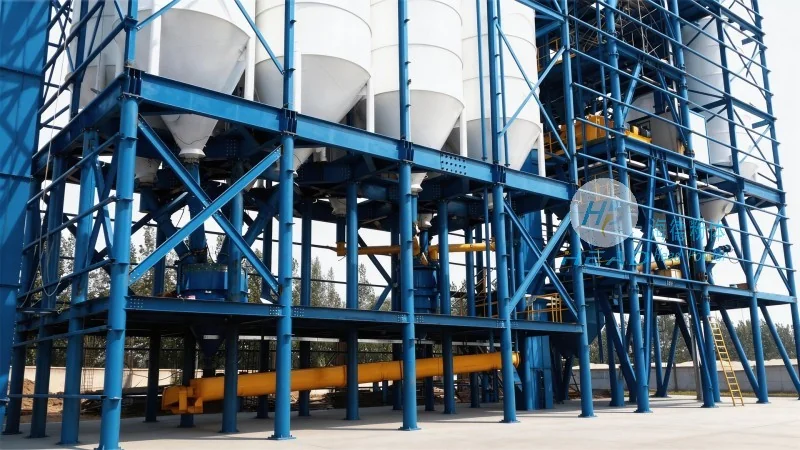
Key Components and Their Functions
Several essential components work in tandem to ensure the smooth operation of pneumatic conveying systems for manganese carbonate materials. The air source, typically a blower or compressor, provides the necessary pressure and flow rate to move the material. The material feed system, including hoppers and feeders, ensures that the material is introduced into the pipeline at a consistent rate, preventing overloading or underloading. The conveying pipeline is designed to minimize pressure loss and maintain the material's flow characteristics, with smooth transitions and appropriate diameter to handle the material's properties. The discharge unit, such as a rotary valve or cyclone separator, separates the material from the air stream and directs it to the final destination. Each component is carefully selected and sized to match the specific characteristics of the manganese carbonate material, ensuring optimal performance and efficiency. For example, the pipeline material may be chosen to resist corrosion from acidic or basic manganese carbonate compounds, while the feed system may be equipped with special liners to prevent material buildup.
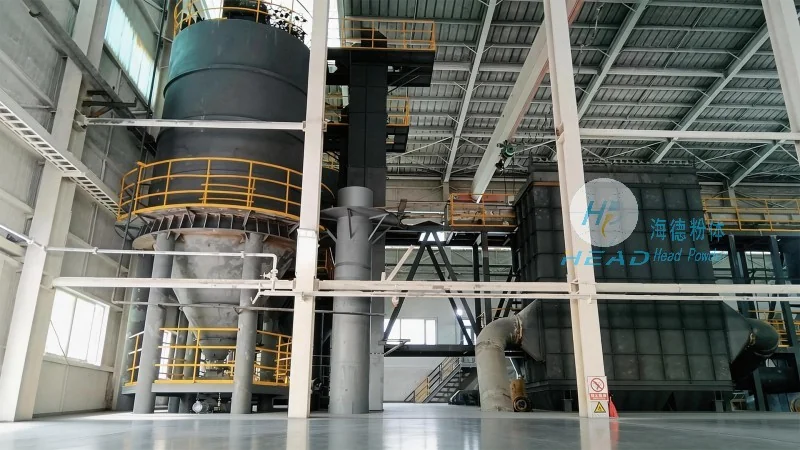
Working Scene Characteristics: Applications and Operational Environments
Pneumatic conveying equipment for manganese carbonate materials is widely used in diverse industrial settings, each with unique working scene characteristics. In mining and mineral processing facilities, the equipment is used to transport extracted manganese carbonate from crushers and screens to processing units. The long distances and abrasive nature of the material make pneumatic conveying an ideal choice, as it can handle the material without the need for intermediate storage or handling. In chemical and pharmaceutical industries, the equipment is used to transport fine manganese carbonate powders used in the production of fertilizers or pharmaceuticals. The enclosed pipeline system provides a clean and hygienic environment, preventing contamination and ensuring product quality. Additionally, in food processing facilities, where manganese carbonate may be used as a nutritional supplement or food additive, the equipment's ability to maintain a dust-free environment is critical. The working scene characteristics also include the ability to handle varying material flow rates, from low to high, and the flexibility to reconfigure the pipeline layout to accommodate changes in production processes. This adaptability makes pneumatic conveying systems a versatile solution for a wide range of manganese carbonate applications.
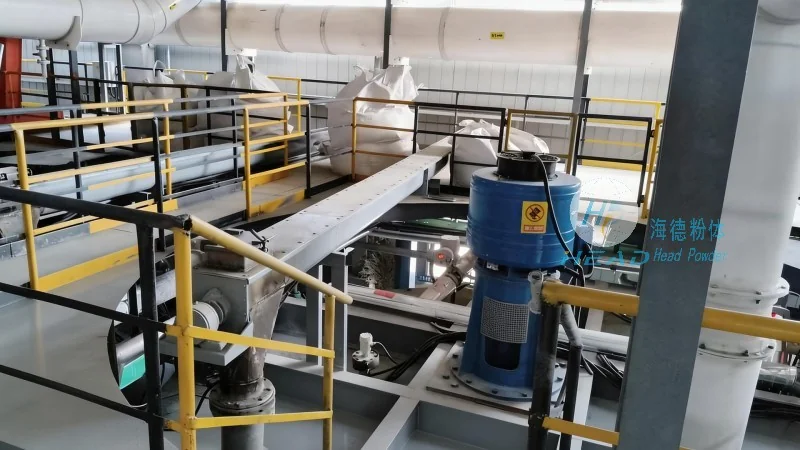
Advantages and Benefits of Pneumatic Conveying
There are numerous advantages to using pneumatic conveying equipment for transporting manganese carbonate materials. One of the primary benefits is the reduction in labor costs, as the system automates the material handling process, minimizing the need for manual intervention. This also reduces the risk of human error and workplace accidents, improving overall safety. The enclosed pipeline system provides a clean and hygienic environment, which is particularly important in industries where product purity is paramount, such as food and pharmaceuticals. Additionally, pneumatic conveying systems are highly flexible, allowing for easy reconfiguration of the pipeline layout to accommodate changes in production processes. The ability to transport materials at high velocities reduces the overall time required for material transfer, improving production throughput and increasing overall efficiency. Finally, the low energy consumption of these systems compared to other material handling methods makes them an environmentally friendly and cost-effective solution. The system's low maintenance requirements also contribute to long-term cost savings, as fewer components are subject to wear and tear. Overall, pneumatic conveying offers a reliable and efficient solution for the transportation of manganese carbonate materials, meeting the demands of modern industrial operations.




