Positive pressure pneumatic powder conveying equipment is a critical technology in the field of bulk material handling, designed to transport powders efficiently and safely. This equipment operates by generating positive pressure within the conveying system, which propels the material through pipelines under controlled conditions. The technology is widely adopted across various industrial sectors due to its ability to handle diverse powder characteristics, including different particle sizes, moisture levels, and flowabilities.
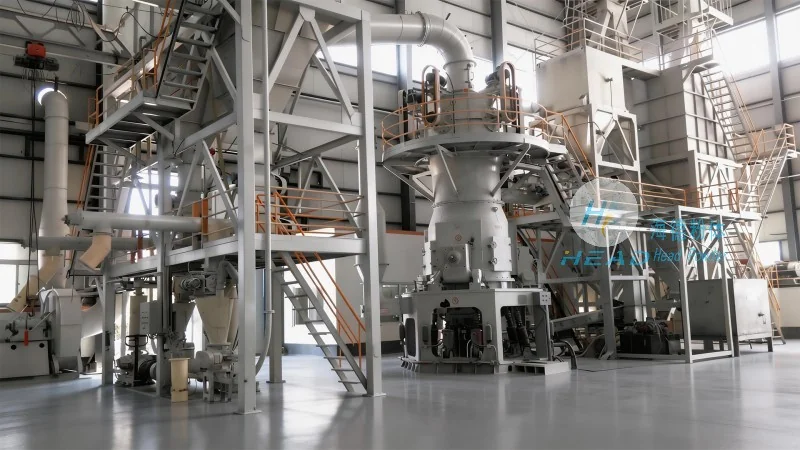
Principle of Operation
The fundamental principle of positive pressure pneumatic powder conveying involves using a positive pressure air source, typically a blower or compressor, to create a pressure differential that drives the powder particles through the conveying line. In this system, the air and powder are mixed in a specific ratio, forming either a dense phase or dilute phase flow, depending on the application requirements. The positive pressure ensures continuous material movement from the source to the destination, minimizing blockages and maintaining consistent flow rates. The equipment typically comprises several key components: a hopper for material storage, a feeder to regulate the flow rate, a conveying line, and a receiver for discharged material. The air source provides the necessary pressure and airflow to overcome pipeline resistance and gravitational forces acting on the powder particles.
Key Components and Their Functions
Several critical components work in concert to ensure the efficient operation of positive pressure pneumatic powder conveying systems. The hopper serves as the storage vessel, holding bulk powder and providing a uniform feed to the feeder. The feeder, often a rotary valve or screw feeder, controls the powder flow rate into the conveying line, preventing overloading and maintaining stable operation. The conveying line, usually made of metal or plastic, is engineered to withstand system pressure and temperature. The air source, which can be a centrifugal or positive displacement blower, generates the required pressure and airflow. The receiver, a container at the discharge end, collects conveyed powder and may include dust collection features for environmental compliance. Each component is carefully selected and configured to meet specific application needs, ensuring optimal performance and reliability.
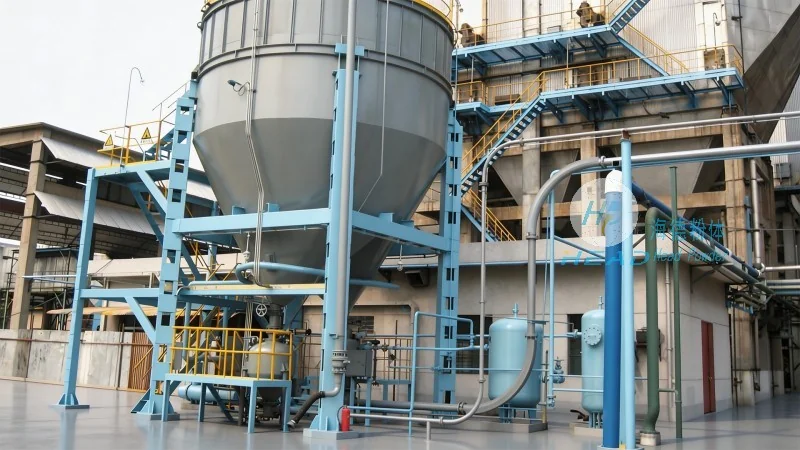
Application Scenarios and Industry Use Cases
Positive pressure pneumatic powder conveying equipment is widely utilized across multiple industries due to its versatility and efficiency. In the pharmaceutical industry, it is used to transport raw materials and finished products, ensuring contamination-free handling and precise dosing. The food industry employs this technology for conveying ingredients like flour, sugar, and spices, maintaining hygiene standards and preventing cross-contamination. The chemical industry relies on it for handling powders such as pigments, catalysts, and reagents, where precise control over flow rates and particle size distribution is essential. In the cement and construction sectors, the equipment is used to transport bulk cement and other building materials, facilitating efficient material movement in large-scale projects. Additionally, in the agricultural sector, it assists in the transport of fertilizers and seeds, improving operational efficiency and reducing labor costs. The adaptability of positive pressure pneumatic powder conveying makes it suitable for a wide range of applications, from small-scale laboratory operations to large-scale industrial processes.
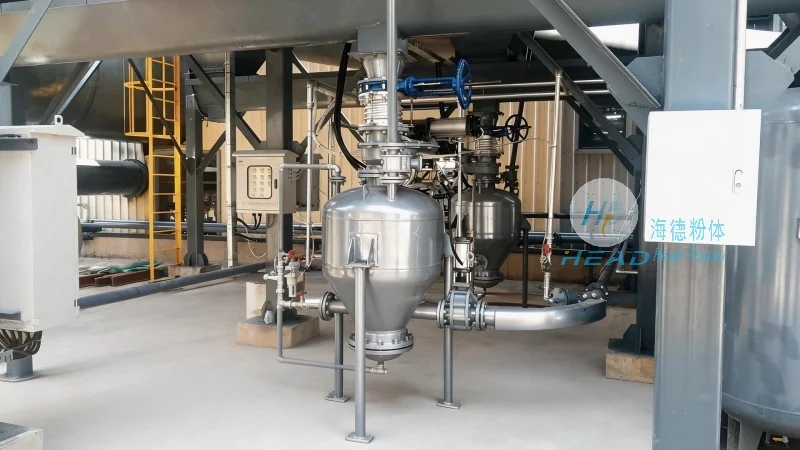
Advantages of Positive Pressure Pneumatic Powder Conveying
Compared to other powder handling methods, positive pressure pneumatic conveying offers several advantages that make it a preferred choice in many industries. One key benefit is its ability to handle a wide variety of powder types, including cohesive, fine, and abrasive materials, without causing degradation or segregation. The positive pressure system ensures the material is conveyed in a dense phase, reducing the risk of particle separation and improving overall flow characteristics. Another advantage is the reduced risk of blockages and the ability to maintain consistent flow rates, even with varying material properties. The system also provides better control over the conveying process, allowing for precise adjustment of pressure and flow rates to meet specific application requirements. Additionally, positive pressure conveying is generally more energy-efficient than other methods, as it requires less air volume to achieve the desired conveying rate. The technology also offers enhanced safety features, as the system is enclosed and the air is filtered to prevent dust emissions, ensuring a clean and safe working environment.
Customization and Integration with Existing Systems
Shandong HeadPowder Engineering Co., Ltd., a leading manufacturer in the field, specializes in providing customized positive pressure pneumatic powder conveying solutions tailored to clients' specific needs. The company, commonly referred to as headpowder, offers a range of equipment options, from standard models to highly customized systems, to meet diverse industry requirements. The company's engineers collaborate closely with clients to understand operational needs, material characteristics, and space constraints, then design a system that optimizes performance and efficiency. The equipment is designed to integrate seamlessly with existing production lines, minimizing downtime and ensuring smooth transitions. Headpowder also provides comprehensive after-sales support, including installation, maintenance, and technical assistance, to ensure long-term reliability and performance of the conveying systems. The company's commitment to quality and innovation has made it a trusted partner for many businesses, helping them improve material handling processes and enhance overall operational efficiency.




