For industries dealing with precipitated barium sulfate powders, efficient and reliable material handling is crucial. The pneumatic conveying line for this specific powder offers a solution that combines advanced technology with practical application. This article explores the underlying principles of such a system and highlights key working scene characteristics that make it suitable for various industrial environments.
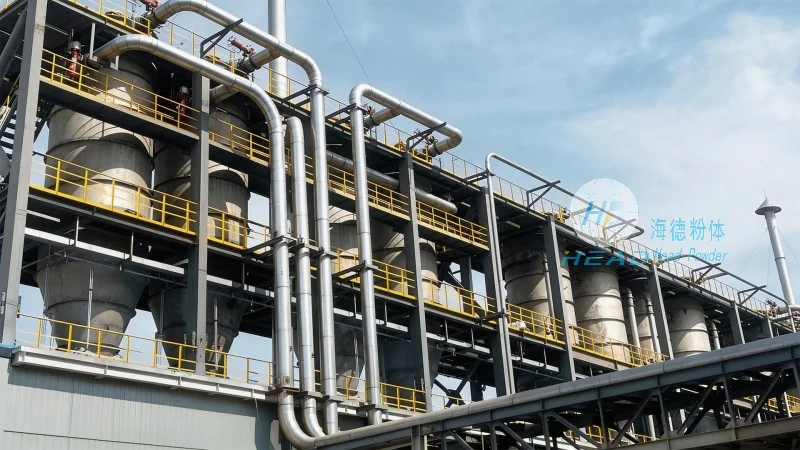
Overview of Precipitated Barium Sulfate Powder Pneumatic Conveying Line
Precipitated barium sulfate is a fine powder commonly used in coatings, plastics, and other industrial applications due to its high whiteness and stability. Handling this powder requires specialized equipment to prevent dust generation and ensure consistent flow. The pneumatic conveying line is designed to transport the powder from storage to processing units or packaging areas without the need for mechanical components like belts or buckets.
Principle of Pneumatic Conveying for Precipitated Barium Sulfate
The core principle of the pneumatic conveying system is the use of compressed air to move the powder particles through a pipeline. As air is introduced into the conveying line, it creates a low-pressure zone that draws the powder into the stream. The powder is then carried through the pipeline by the moving air, which can be either positive pressure (where air pushes the powder) or negative pressure (where air pulls the powder). For precipitated barium sulfate, a positive pressure system is often preferred due to the powder's fine particle size and tendency to create dust if not handled carefully.
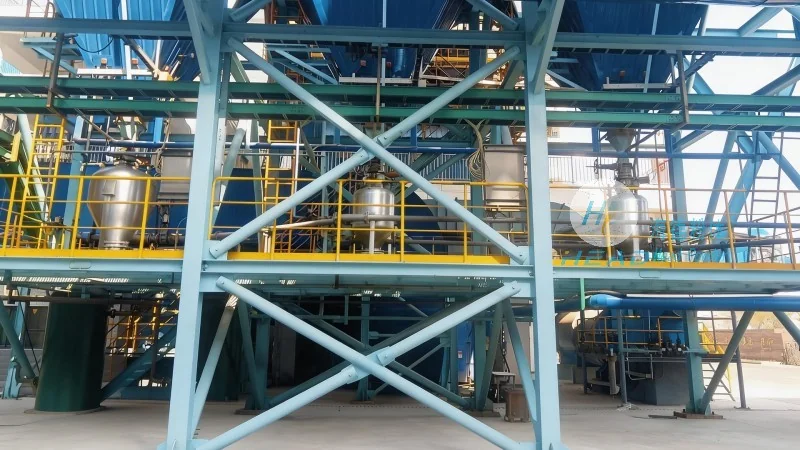
Key Working Scene Characteristics
The working scene characteristics of the precipitated barium sulfate powder pneumatic conveying line are tailored to meet the demands of industrial applications. These include:
1. Dust-Free Operation
One of the primary advantages is the ability to maintain a dust-free environment. The enclosed pipeline system prevents powder from escaping into the air, which is essential for maintaining workplace safety and compliance with environmental regulations. This is particularly important in facilities where air quality standards are strictly enforced.
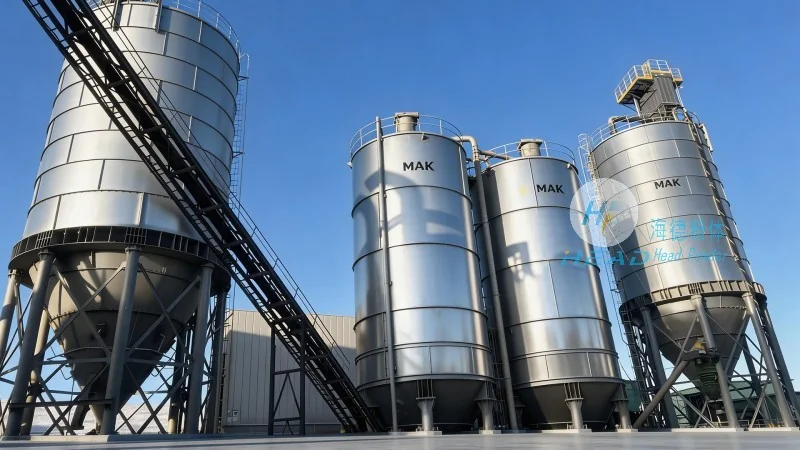
2. Continuous and Uniform Flow
The system ensures a continuous and uniform flow of the powder, which is critical for maintaining consistent product quality. By controlling the air pressure and flow rate, operators can adjust the conveying speed to match production requirements. This helps in reducing material waste and improving overall process efficiency.
3. Versatility in Application
The pneumatic conveying line is adaptable to various working environments, from small-scale laboratory setups to large-scale industrial production lines. It can be integrated with existing equipment or used as a standalone system, making it suitable for both new installations and retrofits. The flexibility in design allows for customization based on the specific needs of the application.
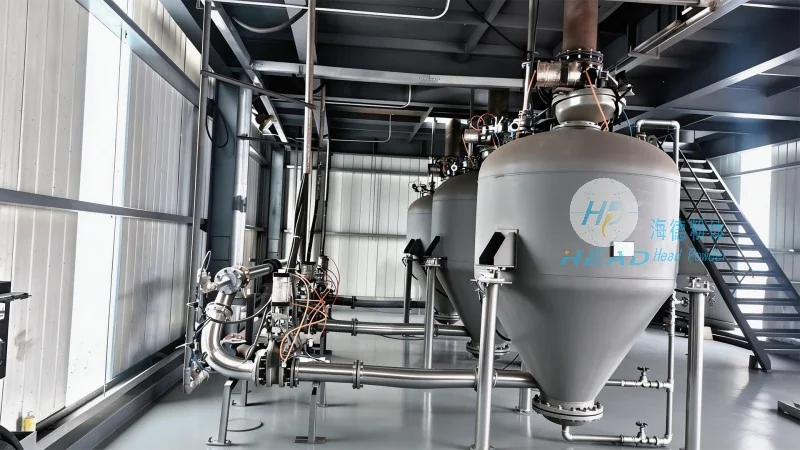
4. Reduced Maintenance Requirements
Compared to traditional mechanical conveying systems, the pneumatic system has lower maintenance needs. There are no moving parts in contact with the powder, which minimizes wear and tear. This results in lower operational costs and less downtime for maintenance, contributing to higher overall system reliability.
Company Information
HeadPowder, a leading provider in material handling solutions, specializes in designing and manufacturing pneumatic conveying systems for various industrial powders. With a focus on precision and efficiency, the company has established itself as a trusted partner in the industry. Based in Shandong, China, HeadPowder Engineering Co., Ltd. leverages advanced engineering and manufacturing capabilities to deliver high-quality solutions tailored to client needs.




