Understanding the dry ash powder conveying system is crucial for industries dealing with bulk material handling, particularly in applications where efficient and reliable transport of fine powders is essential. This article delves into the fundamental principles behind such systems and highlights the key characteristics that define their operational environments.
Overview of Dry Ash Powder Conveying Systems
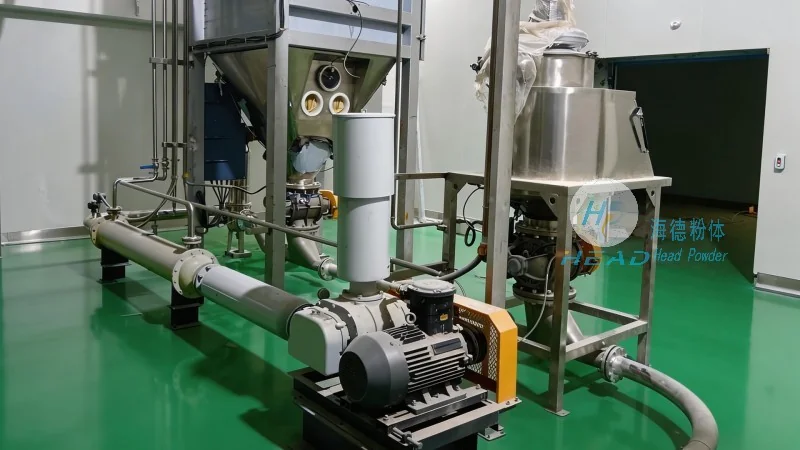
Dry ash powder conveying systems are engineered to transport dry, fine powders like fly ash, cement, or other industrial powders over long distances with minimal loss and high efficiency. These systems typically consist of components such as feeders, conveyors, and control units, all working in tandem to ensure smooth material flow. The core principle revolves around creating a controlled environment where the powder is moved without agglomeration or degradation, maintaining its quality throughout the process.
Key Working Principles
The primary working principle of dry ash powder conveying systems is the use of pneumatic or mechanical methods to move the material. Pneumatic systems, for instance, utilize compressed air to create a flow of air and powder, while mechanical systems rely on screw conveyors, belt conveyors, or bucket elevators. In pneumatic systems, the powder is suspended in the air stream, allowing it to be transported through pipelines. This method is particularly effective for fine powders that are prone to caking or clumping. Mechanical systems, on the other hand, use rotating components to push the material forward, offering a more direct and contact-based approach.
Working Scene Characteristics
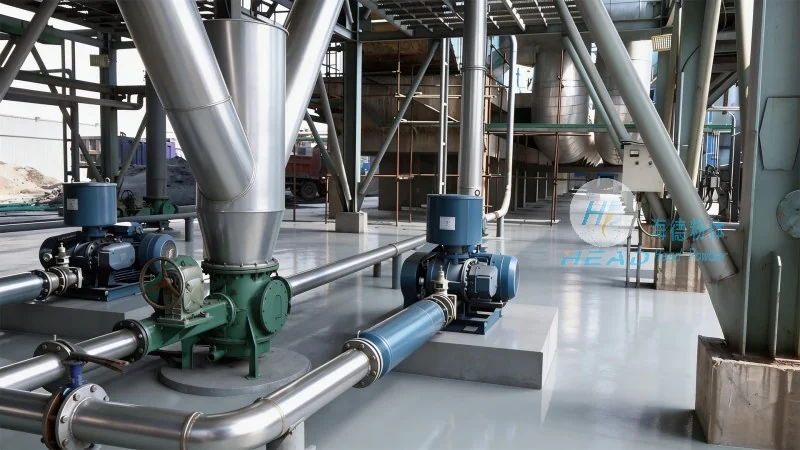
The operational characteristics of dry ash powder conveying systems are tailored to specific industrial settings. These systems are commonly found in power plants, cement factories, and other facilities where large volumes of ash or powder need to be moved from one location to another. The working environment often involves high temperatures, dust, and the need for precise control to prevent material degradation. For example, in a power plant, the system may be used to transport fly ash from the boiler to storage silos, ensuring that the ash is handled efficiently and safely. The characteristics of these working scenes include high throughput requirements, the need for durability against abrasive materials, and compliance with safety regulations to prevent dust explosions.
Applications and Performance Metrics
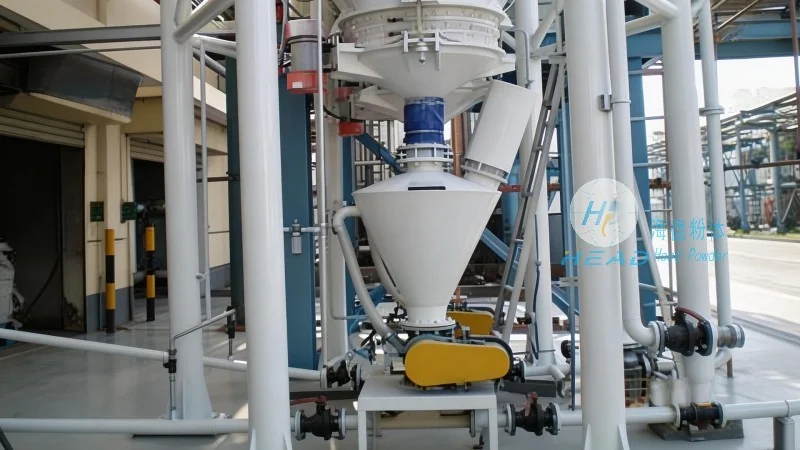
Dry ash powder conveying systems are applied in various scenarios, each with specific performance metrics to ensure optimal operation. The performance of these systems is measured by factors such as conveying capacity, distance, and energy efficiency. In industrial settings, the system must be able to handle varying material properties, including particle size, moisture content, and bulk density. The design of the system, including the type of conveyor and the control mechanisms, plays a critical role in achieving these performance metrics. For instance, a system used in a cement plant may need to transport cement powder over several kilometers, requiring a robust and reliable design that can withstand the demands of continuous operation.
Advantages and Considerations
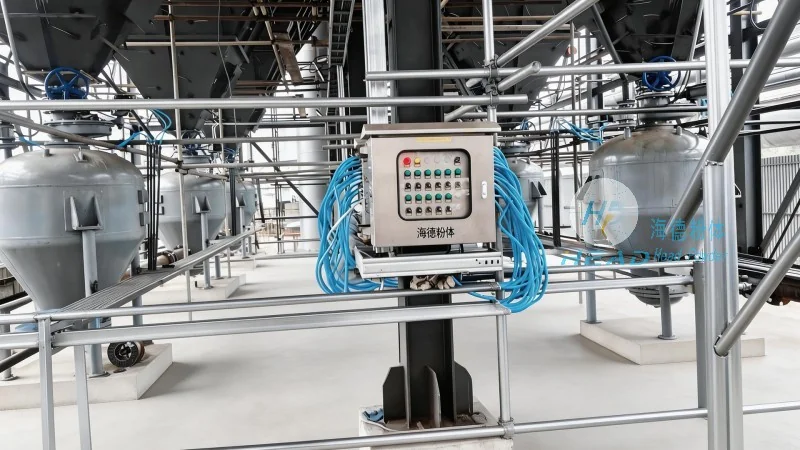
Implementing dry ash powder conveying systems offers several advantages, including reduced labor costs, improved safety by minimizing manual handling, and enhanced material quality control. However, there are also considerations to keep in mind, such as the initial investment cost, maintenance requirements, and the need for proper system integration with existing infrastructure. The choice of system depends on the specific application, with pneumatic systems being preferred for high-purity applications and mechanical systems for bulk handling where cost-effectiveness is a priority.
Conclusion
In conclusion, dry ash powder conveying systems are essential equipment for industries dealing with fine powders, offering efficient and reliable transport solutions. Understanding the principles and characteristics of these systems is vital for selecting the right equipment for specific applications. As technology advances, these systems continue to evolve, providing better performance and adaptability to meet the growing demands of industrial operations.




