Gray bin powder conveying systems are integral components in various industrial settings, designed to efficiently handle, store, and transport bulk powder materials. These systems are particularly valuable in industries such as chemical processing, pharmaceutical manufacturing, and food production, where the reliable movement of powders is critical to operational efficiency and product quality. The core of these systems lies in the gray bin itself, a robust storage vessel that serves as the initial point for powder handling, and the associated conveying mechanisms that ensure seamless material transfer.
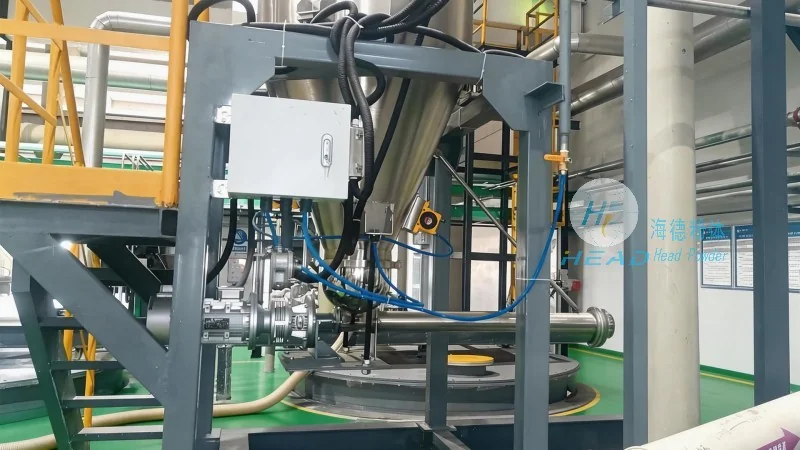
The Fundamental Principle of Gray Bin Powder Conveying
The principle of gray bin powder conveying revolves around the integration of storage and transport functions within a single, compact system. The gray bin, typically constructed from durable materials like steel or stainless steel, provides a secure and controlled environment for storing bulk powders. Its design often includes features such as a hopper or outlet at the bottom, which facilitates the controlled release of material into the conveying system. The conveying mechanism, which may include pneumatic (air-assisted) or mechanical (e.g., screw, belt) components, then transports the powder from the bin to the desired destination, such as a processing unit, packaging line, or storage silo. This integrated approach minimizes material handling steps, reduces the risk of contamination, and enhances overall operational safety.
Key Working Scene Characteristics
One of the primary characteristics of gray bin powder conveying systems is their adaptability to diverse working environments. These systems are engineered to operate in a range of industrial applications, each with unique requirements for material handling. For instance, in chemical plants, where powders may be reactive or hazardous, the gray bin's design often incorporates explosion-proof features and sealed connections to prevent dust explosions and material contamination. In pharmaceutical facilities, the system may be equipped with sterile or cleanroom-compatible components to maintain product purity and compliance with regulatory standards. Similarly, in food processing industries, the materials used in the gray bin and conveying components are selected to meet sanitary and hygienic requirements, ensuring that the powders remain free from contaminants and suitable for food-grade applications.
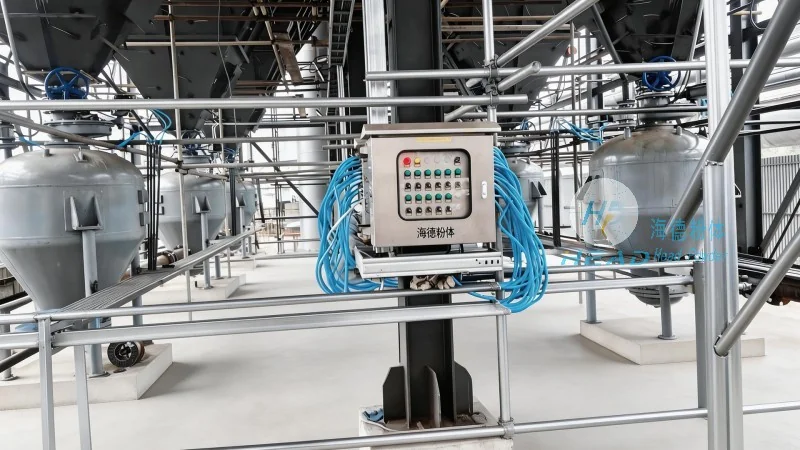
Operational Efficiency and Flow Control
A critical aspect of gray bin powder conveying systems is the ability to maintain consistent material flow and control. The gray bin's design often includes level sensors or indicators that monitor the powder level inside the vessel, allowing operators to track inventory and trigger replenishment or processing as needed. This real-time monitoring helps prevent overfilling or underfilling, which can lead to inefficiencies or safety hazards. Additionally, the conveying system may incorporate flow control valves or regulators that adjust the speed of material transfer based on demand, ensuring that the processing equipment receives the exact amount of powder required without waste or excess pressure. Such flow control mechanisms are essential for maintaining stable production rates and optimizing resource utilization.
Reliability and Maintenance Considerations
Reliability is a key characteristic of gray bin powder conveying systems, as they are expected to operate continuously in demanding industrial environments. The robust construction of the gray bin, with its thick walls and secure connections, minimizes the risk of leaks or structural failure, even under high pressure or abrasive conditions. The conveying components, such as pneumatic ducts or mechanical screws, are designed for durability and low maintenance. Regular maintenance, including cleaning of the bin and ducts to prevent powder buildup and ensuring the proper functioning of sensors and valves, is essential to maintain system performance. By prioritizing reliability and implementing effective maintenance protocols, these systems can achieve long operational lifespans and minimize downtime, contributing to overall operational cost savings.
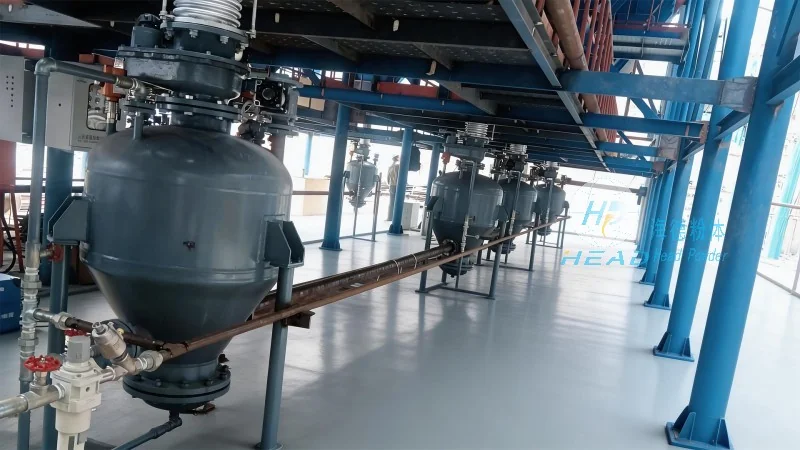
Application Scenarios and Industry-Specific Use Cases
The versatility of gray bin powder conveying systems makes them suitable for a wide array of applications across different industries. In the chemical industry, they are commonly used to transport raw materials like pigments, catalysts, or reagents to reactors and processing lines. In pharmaceutical manufacturing, they facilitate the handling of active pharmaceutical ingredients (APIs) and excipients, ensuring that the powders are transferred with precision and minimal contamination. In the food industry, they are employed to move ingredients such as flour, sugar, or spices to packaging lines, maintaining the quality and freshness of the products. Each of these applications leverages the gray bin's ability to store large quantities of powder while enabling efficient, controlled transfer to downstream processes.
Conclusion
Gray bin powder conveying systems represent a sophisticated solution for the efficient handling of bulk powders in industrial settings. By integrating storage and transport functions within a single system, these devices enhance operational efficiency, reduce material waste, and improve safety in various working environments. The principles of controlled material flow, robust construction, and adaptability to diverse applications make them a preferred choice for industries that rely on consistent and reliable powder handling. As a leading provider of such systems, Shandong HeadPowder Engineering Co., Ltd., based in Shandong, China, specializes in designing and manufacturing customized gray bin powder conveying solutions tailored to the specific needs of each client, ensuring optimal performance and compliance with industry standards.




