HeadPowder, a leading manufacturer based in Shandong, China, specializes in providing advanced solutions for powder material handling, particularly through weighing feeding systems. This article delves into the fundamental principles of these systems and highlights key working scene characteristics that define their application in various industrial settings.
Core Principle of Weighing Feeding Systems
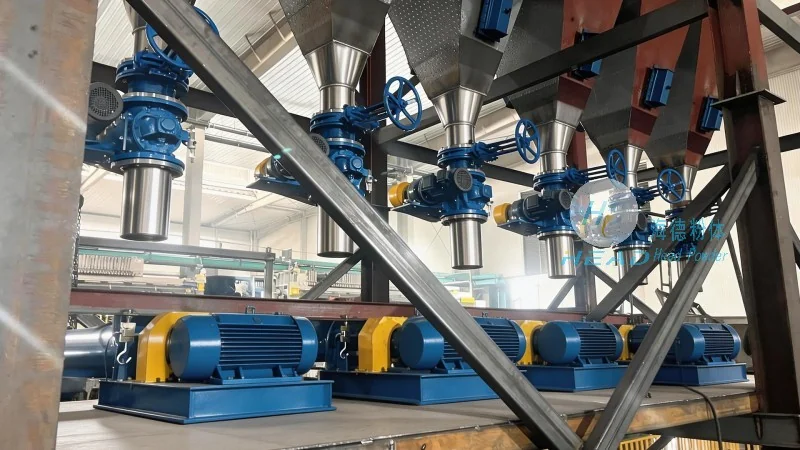
The core principle of weighing feeding systems lies in the precise measurement and control of material flow rates. These systems integrate load cells or other weighing sensors with feeding mechanisms, such as screw conveyors or belt feeders, to ensure accurate and consistent material discharge. The weighing process involves continuous monitoring of the material mass, allowing for real-time adjustments to maintain the desired flow rate. This precision is crucial for applications where material consistency directly impacts downstream processes, such as blending, mixing, or packaging.
Key Working Scene Characteristics
Weighing feeding systems are widely used across diverse industrial scenarios, each with distinct characteristics that influence system design and operation. For instance, in pharmaceutical manufacturing, where product purity and dosage accuracy are paramount, these systems provide the necessary precision to meet stringent regulatory requirements. The working scene in this sector often involves small batch sizes and high product variability, requiring systems that can quickly adapt to changing material properties and flow rates.
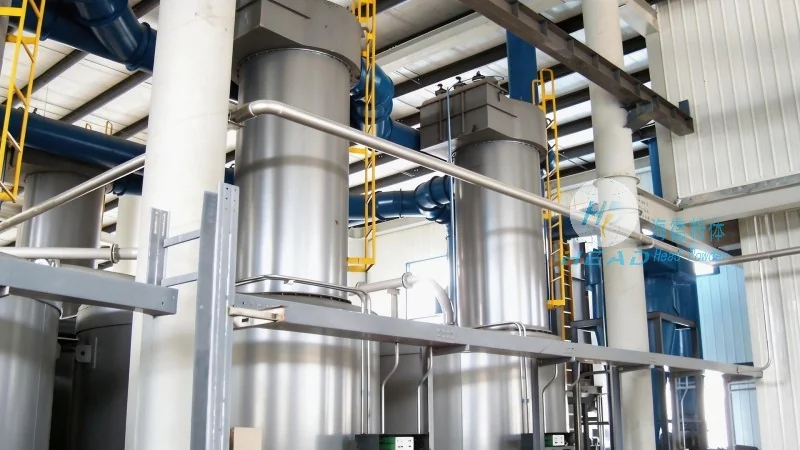
In the chemical industry, weighing feeding is essential for processes like chemical blending and reaction preparation. Here, the working scene may involve handling reactive or hazardous materials, necessitating robust and reliable systems with built-in safety features. The systems must maintain consistent flow rates to prevent over- or under-dosing, which could lead to process inefficiencies or safety hazards. Additionally, the chemical industry often demands systems that can handle a wide range of particle sizes and densities, requiring flexible design options.
Application in Food and Beverage Processing
The food and beverage industry also relies heavily on weighing feeding systems for tasks like ingredient mixing and product packaging. The working scene in this sector emphasizes hygiene, as systems must comply with food safety regulations. These systems are typically designed with stainless steel components and easy-to-clean surfaces to minimize contamination risks. The precision of weighing feeding ensures that each batch of product contains the exact proportion of ingredients, maintaining product quality and consistency across different production runs.
Advantages of Weighing Feeding Technology
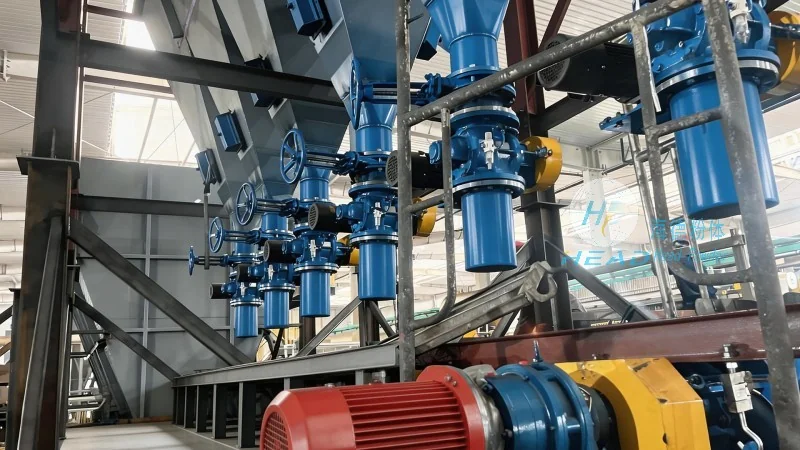
Implementing weighing feeding systems offers several advantages that enhance operational efficiency and product quality. One of the primary benefits is improved process control, as real-time data on material flow rates allows for immediate adjustments to maintain optimal conditions. This leads to reduced waste and lower production costs, as operators can quickly address deviations from the target flow rate. Another key advantage is enhanced safety, particularly in industries handling hazardous materials, as the systems can detect abnormal flow rates and automatically shut down to prevent accidents.
Conclusion
HeadPowder's weighing feeding systems exemplify the integration of advanced technology and practical application, catering to the diverse needs of various industries. By understanding the core principles and working scene characteristics, businesses can select and implement the most suitable solutions to optimize their material handling processes. With a focus on precision, reliability, and adaptability, these systems continue to play a vital role in modern industrial operations, ensuring consistent performance and compliance with industry standards.




