Quartz sand particle pneumatic conveying is a critical material handling technology, particularly for transporting fine or granular materials such as quartz sand. This method leverages air as the conveying medium to move particles through a pipeline system. A thorough understanding of its operational principles and the specific characteristics of its working environments is essential for optimizing industrial processes and ensuring efficient material transport.
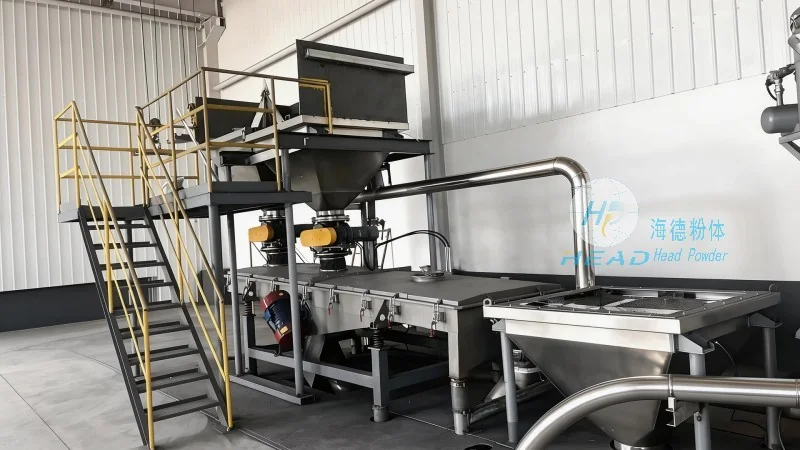
Core Principle of Quartz Sand Particle Pneumatic Conveying
The fundamental principle of pneumatic conveying for quartz sand revolves around creating a pressure differential or utilizing suction to move particles along a pipeline. Two primary types exist: pressure conveying and vacuum conveying. In pressure conveying, a positive pressure is applied at the material inlet, pushing the sand through the pipeline. This approach is well-suited for long-distance or high-capacity transport scenarios. Conversely, vacuum conveying employs a negative pressure to draw the sand from the source, making it ideal for short distances or when the material is situated at a higher elevation. The selection between these methods depends on factors like the distance between the source and destination, the particle size of the quartz sand, and the required flow rate.
Working Scene Characteristics of Quartz Sand Particle Pneumatic Conveying
The working scene characteristics of quartz sand particle pneumatic conveying vary based on the application and environment. For example, in mining and quarrying operations, the system is commonly used to transport raw quartz sand from extraction sites to processing facilities. The high abrasiveness of quartz sand necessitates robust pipeline materials and components to prevent wear and tear. In such industrial settings, the conveying system must handle high volumes of material while maintaining efficiency and minimizing downtime. Another prevalent application is in the glass manufacturing industry, where quartz sand serves as a primary raw material for glass production. The pneumatic conveying system ensures a consistent and clean supply of sand to glass melting furnaces, which is vital for maintaining product quality. Additionally, in construction material processing, quartz sand is utilized in concrete and mortar production. The conveying system aids in integrating the sand with other materials, ensuring uniform mixing and consistent product properties.
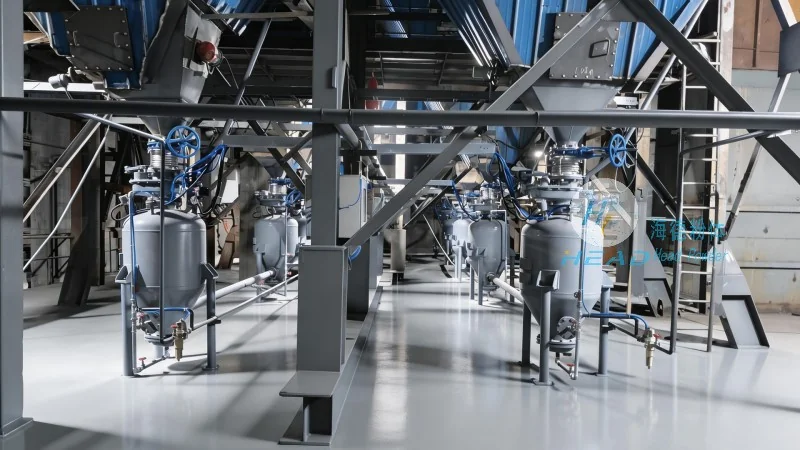
Technical Considerations and System Design
When designing a quartz sand particle pneumatic conveying system, several technical factors must be considered. The particle size distribution of quartz sand is a key factor, as it influences flow characteristics and pressure drop along the pipeline. Coarser particles may cause blockages or increased wear, while finer particles can lead to higher air consumption and more complex separation requirements. The system design must also account for the moisture content of the quartz sand, as moisture affects material flowability and overall conveying efficiency. Proper moisture control, such as drying the sand before conveying, can enhance system performance and reduce energy consumption. Furthermore, the selection of pipeline materials is crucial. Stainless steel or high-grade plastic pipes are typically used due to their resistance to corrosion and abrasion from quartz sand. The system components—including the feeder, pipeline, and receiver—must be designed to handle the specific properties of quartz sand, ensuring long-term reliability and minimal maintenance.
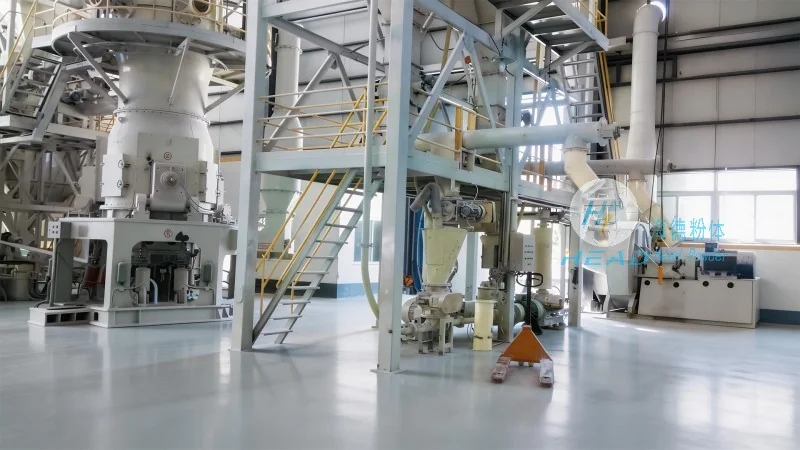
Advantages and Applications in Industrial Settings
Quartz sand particle pneumatic conveying offers several advantages over traditional mechanical conveying methods. It eliminates the need for moving parts like belts or buckets, reducing maintenance costs and the risk of mechanical failure. The system is also more flexible, as it can be easily reconfigured to accommodate changes in material flow or process requirements. In terms of safety, pneumatic conveying minimizes the risk of dust explosions compared to other methods, as the material is contained within the pipeline. This is particularly important in industries where quartz sand is used in high-temperature or hazardous environments. The applications of this technology extend beyond the examples mentioned earlier. In the chemical industry, quartz sand is used as a filler or abrasive, and the pneumatic conveying system ensures a consistent supply of material to production lines. In the pharmaceutical industry, the system can be adapted for transporting quartz sand used in filtration or as a raw material for certain formulations, maintaining strict hygiene standards. Overall, the versatility and efficiency of quartz sand particle pneumatic conveying make it a preferred choice in various industrial sectors.
Conclusion and Future Developments
In conclusion, quartz sand particle pneumatic conveying is a sophisticated and efficient method for transporting quartz sand in industrial applications. Its core principle, based on air movement and pressure differentials, enables reliable and continuous transport of granular materials. The working scene characteristics, influenced by factors such as particle size, moisture content, and application, require careful system design and material selection to ensure optimal performance. The advantages of this technology—including reduced maintenance, flexibility, and enhanced safety—make it a valuable asset in modern industrial processes. As technology advances, future developments may focus on improving energy efficiency, enhancing material handling capabilities, and integrating advanced control systems to further optimize the performance of quartz sand particle pneumatic conveying systems. For companies operating in industries that rely on quartz sand, understanding and implementing this technology can lead to significant operational improvements and cost savings.




