Plastic pellet pneumatic conveying is a technology that utilizes air flow to transport plastic pellets from one location to another. This method is widely adopted in various industrial sectors due to its efficiency, flexibility, and ability to handle a wide range of plastic materials. The core principle involves creating a pressure differential or using vacuum to move the pellets through a pipeline system, ensuring smooth and continuous material transfer. Understanding the underlying principles and the specific characteristics of different working scenarios is crucial for optimizing the performance and reliability of pneumatic conveying systems in plastic processing applications.
Core Principles of Plastic Pellet Pneumatic Conveying
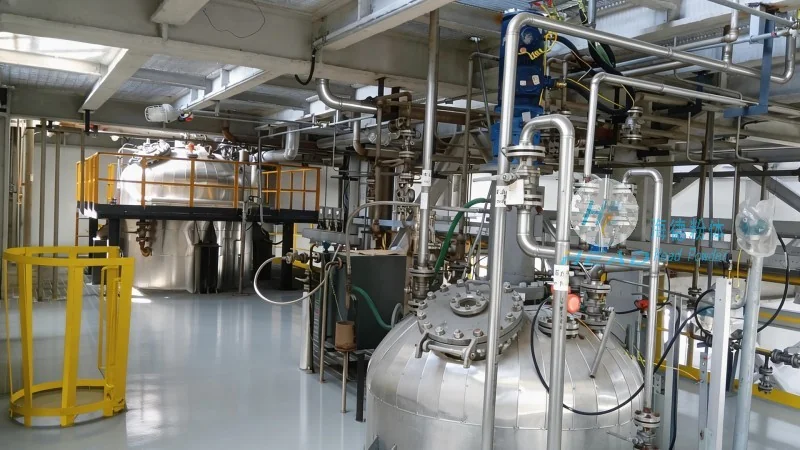
The fundamental principle of plastic pellet pneumatic conveying is the use of air as the conveying medium. Unlike mechanical conveying systems that rely on physical components like belts or screws, pneumatic systems use compressed air or vacuum to move the material. The process typically involves feeding the plastic pellets into a hopper, which then transfers them into a pipeline. As the air flows through the pipeline, it carries the pellets along, often with the assistance of various components such as in-line mixers, cyclones, or rotary valves. The design of the system must consider factors like the particle size, density, and moisture content of the plastic pellets, as these characteristics directly impact the conveying efficiency and system performance. For instance, smaller and lighter pellets may require higher air velocities to maintain proper flow, while larger or denser pellets might need more robust equipment to prevent blockages or degradation.
Key Components and Their Functions in Pneumatic Conveying Systems
Effective plastic pellet pneumatic conveying systems consist of several critical components, each playing a vital role in the overall operation. The primary components include the hopper, which serves as the storage and feeding unit, ensuring a consistent supply of pellets to the system. The feeder, often a rotary valve or a screw feeder, controls the flow rate of the pellets into the pipeline, preventing overloading and maintaining a steady material stream. The pipeline itself is typically made of materials like stainless steel or plastic, chosen for their resistance to corrosion and wear from the plastic pellets. In-line mixers or agitators may be integrated to prevent material settling or bridging, especially in vertical or long-distance conveying applications. Cyclones or separators are used to separate the plastic pellets from the air stream at the end of the pipeline, allowing the pellets to be collected in a receiving bin while the air is either recirculated or vented. The system may also include a blower or compressor to generate the necessary air pressure or vacuum, with the capacity and pressure levels tailored to the specific conveying requirements. Proper maintenance and monitoring of these components are essential to ensure the longevity and efficiency of the pneumatic conveying system.
Working Scene Characteristics and Application Scenarios
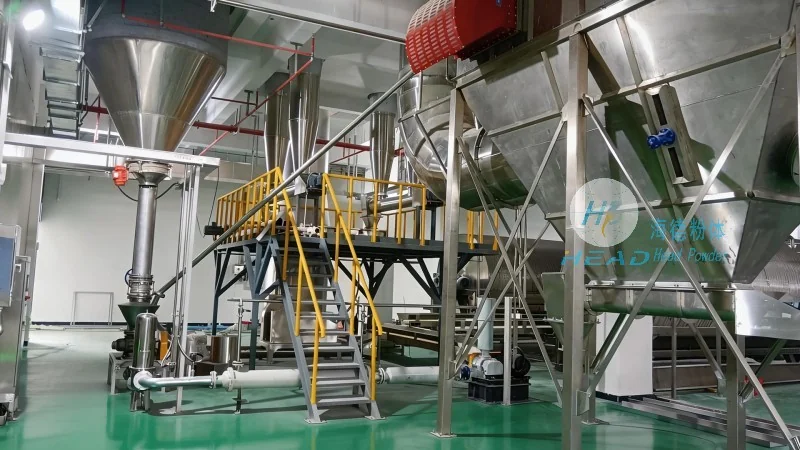
The characteristics of plastic pellet pneumatic conveying systems vary significantly based on the operational environment and the specific application. In industrial settings, such as plastic manufacturing plants, the system is often used to transport pellets from storage silos to processing equipment like extruders or injection molding machines. The working scene may involve horizontal or vertical conveying, with horizontal systems typically used for short to medium distances and vertical systems for longer vertical lifts. The system's design must account for factors like the distance between the feed and discharge points, the height of the vertical lift, and the required flow rate. For example, in a horizontal conveying system, the air velocity must be sufficient to overcome the gravitational force and friction within the pipeline, ensuring the pellets remain suspended and move efficiently. In vertical conveying, the system may use a combination of pressure and vacuum to achieve the upward movement, with the air flow rate carefully controlled to prevent excessive pressure drops or material degradation.
Advantages and Considerations in Different Working Scenarios
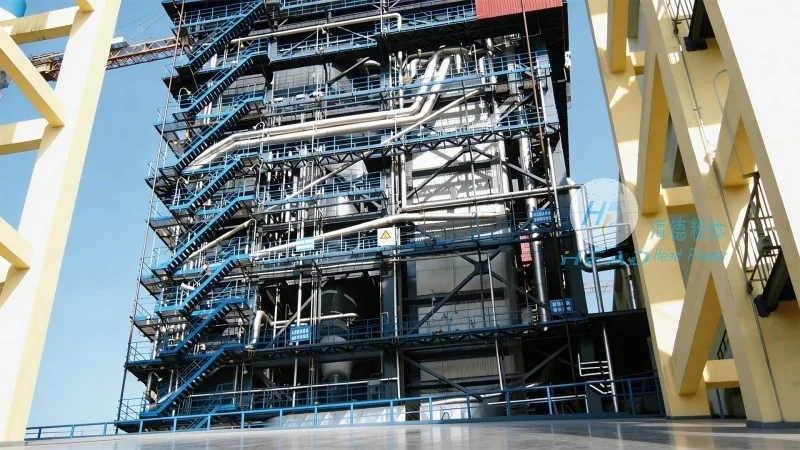
Plastic pellet pneumatic conveying offers several advantages in various working scenarios, making it a preferred choice for many industries. One of the key advantages is the ability to handle different types of plastic materials, including polyethylene, polypropylene, and other thermoplastics, without causing contamination or degradation. The system is also flexible, allowing for changes in material flow rates or pipeline configurations as production needs evolve. Additionally, pneumatic conveying systems can be integrated with other processing equipment, such as mixing or drying units, to create a seamless material handling process. However, there are also considerations to keep in mind, such as the potential for material degradation due to high air velocities or friction, the need for proper filtration to prevent dust accumulation, and the energy consumption associated with operating the blower or compressor. In some working scenarios, especially those involving abrasive or corrosive materials, the system components must be made of durable materials to ensure long-term performance and reliability.
Case Study: Application in Shandong HeadPowder Engineering Co., Ltd.
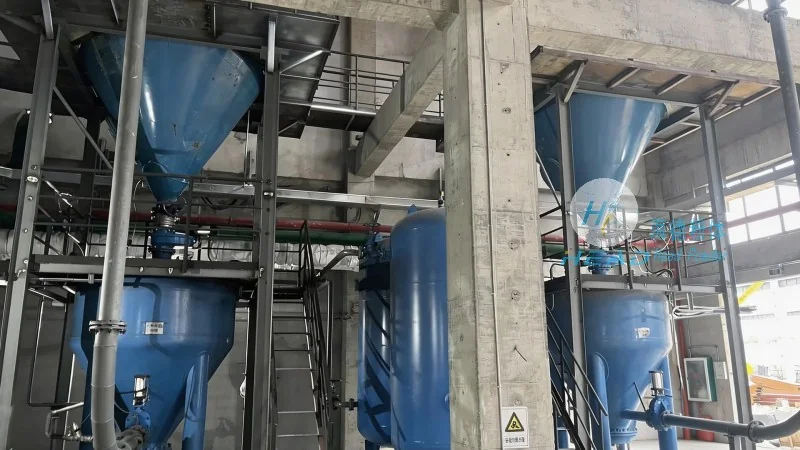
Shandong HeadPowder Engineering Co., Ltd., a leading manufacturer of pneumatic conveying systems based in China, has successfully implemented plastic pellet pneumatic conveying solutions in various industrial applications. The company's expertise lies in designing and manufacturing customized systems tailored to the specific needs of clients, ensuring optimal performance and efficiency. For instance, a client in the plastic manufacturing industry required a horizontal pneumatic conveying system to transport polypropylene pellets from a storage silo to an extrusion line. The system was designed with a stainless steel pipeline, a rotary valve feeder, and an in-line mixer to prevent material settling. The blower was sized to provide the necessary air pressure and flow rate, resulting in a smooth and continuous material transfer. The system has been in operation for over two years, with minimal maintenance and high conveying efficiency, demonstrating the effectiveness of the pneumatic conveying technology. Another application involved a vertical conveying system for transporting plastic pellets from a lower level to an upper processing unit, where the system used a combination of pressure and vacuum to achieve the vertical lift. The design incorporated a cyclone separator to collect the pellets at the discharge point, ensuring a clean and efficient material transfer. These case studies highlight the versatility and reliability of plastic pellet pneumatic conveying systems in real-world industrial applications.
Conclusion and Future Developments
Plastic pellet pneumatic conveying is a robust and efficient technology that plays a critical role in the plastic processing industry. The principles and working characteristics of such systems are designed to optimize material handling, minimize downtime, and enhance overall production efficiency. As technology advances, there is a growing focus on improving the energy efficiency and sustainability of pneumatic conveying systems, with innovations such as variable speed drives and energy recovery systems being integrated into modern designs. Additionally, the development of more durable and corrosion-resistant materials for pipeline components and feeders will further enhance the longevity and reliability of these systems. For industries like plastic manufacturing, the adoption of advanced pneumatic conveying solutions continues to be a key factor in maintaining competitiveness and meeting the demands of modern production processes. Shandong HeadPowder Engineering Co., Ltd. remains at the forefront of this technology, providing customized solutions that address the unique challenges and requirements of various industrial applications.




