HeadPowder, a leading provider in the field of powder handling technology, specializes in advanced solutions for the efficient and reliable transport of masterbatch pellets. This article delves into the fundamental principles of pneumatic conveying systems and highlights the key characteristics of working environments where such systems are applied, offering insights into the technology's practical applications and benefits.
Introduction to Pneumatic Conveying for Masterbatch Pellets
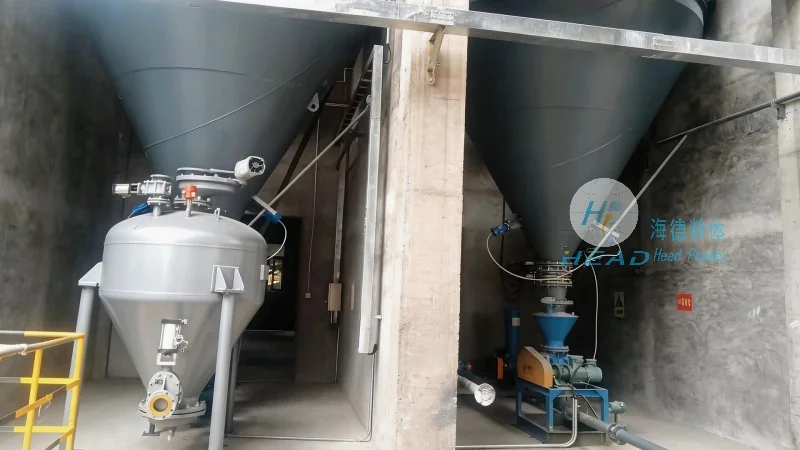
Pneumatic conveying is a critical method for transporting bulk materials like masterbatch pellets, which are essential additives in the plastics and polymer industries. The process involves the use of air or gas to move particles through a pipeline, eliminating the need for mechanical components such as conveyors or buckets. This technology is particularly valuable for handling materials that are dusty, abrasive, or require a hygienic and controlled environment. HeadPowder, based in Shandong, China, has established itself as a trusted manufacturer of specialized pneumatic conveying equipment tailored to the unique demands of masterbatch processing.
The Core Principle of Pneumatic Conveying Systems
The fundamental principle of pneumatic conveying is based on the creation of a pressure differential within a closed system. The system typically consists of a hopper or feeder, a conveying line, and a receiver or discharge point. In a typical operation, material is fed into the system from the hopper, and a fan or blower generates the necessary airflow to transport the pellets through the pipeline. The velocity of the air is carefully controlled to ensure that the pellets are suspended and moved efficiently without causing excessive wear or degradation. The pressure differential can be either positive (pressure conveying) or negative (vacuum conveying), depending on the application and the distance the material needs to travel.
Key Components and Their Functions in Pneumatic Conveying
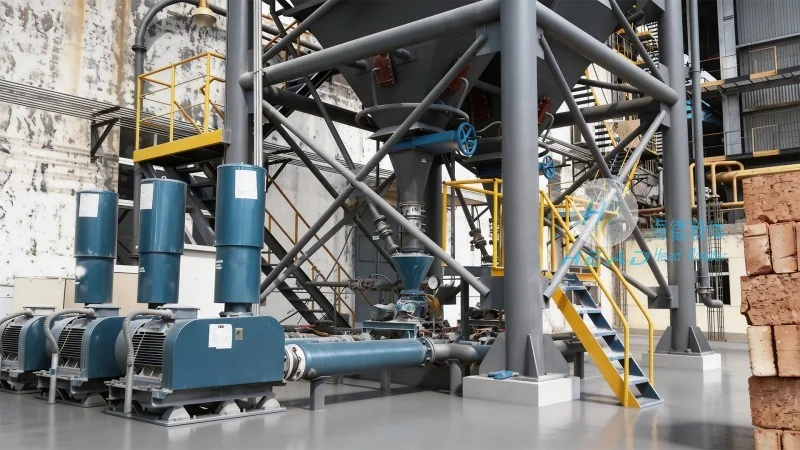
Several key components work in tandem to ensure the smooth operation of a pneumatic conveying system for masterbatch pellets. The hopper or feeder is responsible for storing and feeding the material into the system, maintaining a consistent flow rate. The fan or blower provides the necessary air pressure and volume to move the pellets. The conveying line, often made of stainless steel or other corrosion-resistant materials, is designed to withstand the abrasive nature of the pellets and the pressure of the air. The receiver or discharge point collects the material at the end of the line, ensuring it is deposited in the desired location. Additionally, components such as filters, cyclones, and separators are used to maintain air quality and prevent material buildup in the system.
Working Scene Characteristics of Pneumatic Conveying for Masterbatch Pellets
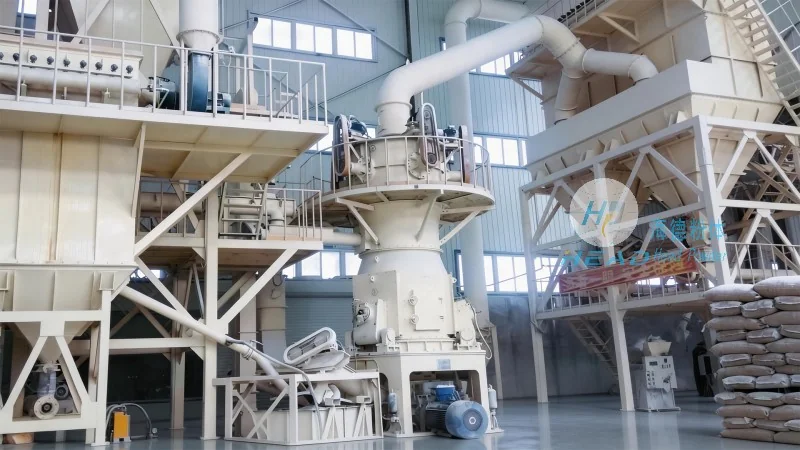
The working scene characteristics of pneumatic conveying systems for masterbatch pellets are influenced by several factors, including the material properties, the distance of transport, and the environmental requirements. In industrial settings, these systems are commonly used in plastic manufacturing plants, where masterbatch pellets are transported from storage silos to processing machines. The key characteristics include high efficiency, as the system can transport large volumes of material over long distances with minimal labor. The technology also offers advantages in terms of hygiene and contamination control, as the enclosed system prevents dust and particles from escaping into the environment. Furthermore, pneumatic conveying systems are flexible and can be easily integrated into existing production lines, allowing for adjustments in material flow and processing speed.
Applications and Benefits in Real-World Scenarios
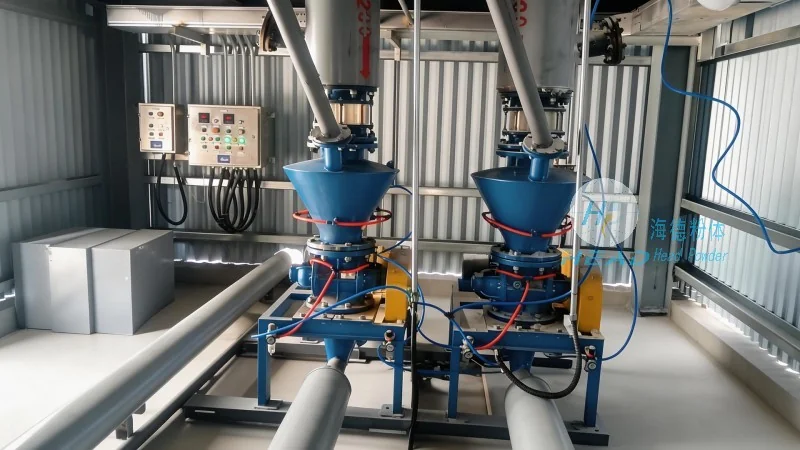
Real-world applications of pneumatic conveying for masterbatch pellets span various industries, including plastics, rubber, and coatings. In a typical plastic manufacturing plant, a pneumatic conveying system might transport masterbatch pellets from a storage silo to an extrusion machine, where they are mixed with base polymers to create colored or functional plastics. The system's ability to handle abrasive materials without causing wear to the equipment is a significant advantage, as masterbatch pellets can be hard and abrasive. Additionally, the system's hygienic design is crucial in food and medical applications, where contamination control is paramount. The benefits of using pneumatic conveying include reduced maintenance costs, increased production efficiency, and improved safety in the workplace, as the enclosed system minimizes the risk of dust explosions and material exposure.
Conclusion and Company Overview
HeadPowder Engineering Co., Ltd., based in Shandong, China, is a leading manufacturer of pneumatic conveying systems specifically designed for masterbatch pellets. The company's expertise lies in developing customized solutions that meet the unique requirements of different industries, ensuring efficient and reliable material transport. By leveraging advanced technology and rigorous quality control, HeadPowder provides systems that enhance productivity, reduce costs, and improve safety in the handling of masterbatch pellets. The principles and characteristics of pneumatic conveying, as outlined in this article, highlight the importance of this technology in modern industrial applications, and HeadPowder continues to innovate and provide solutions that meet the evolving needs of the market.




