HeadPowder, a leading engineering company based in Shandong, China, specializes in the design and manufacturing of advanced pneumatic conveying equipment tailored for the transportation of metallurgical coke powder. This article delves into the fundamental working principles and key characteristics of such systems, providing a comprehensive overview for industry professionals seeking reliable material handling solutions.
Working Principle of Pneumatic Conveying Equipment
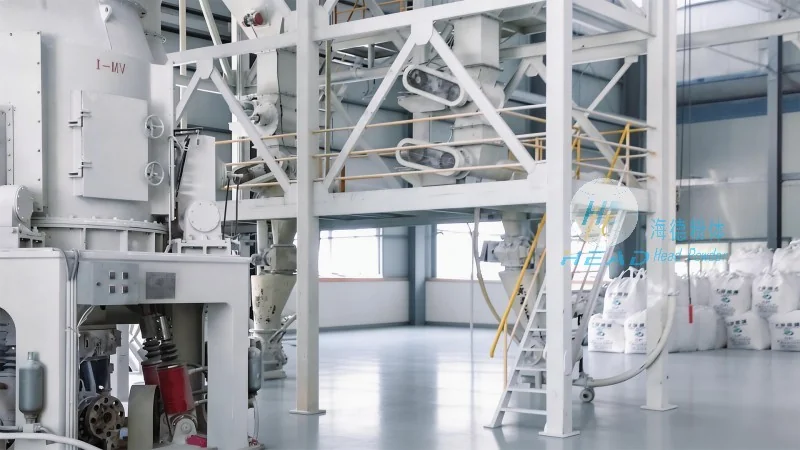
The working principle of pneumatic conveying equipment for metallurgical coke powder revolves around the movement of material using air or gas as the conveying medium. There are two primary types of systems: pressure and vacuum. In a pressure system, a compressor generates positive pressure at the material inlet, pushing the coke powder through the pipeline. The pressure is maintained at a level sufficient to overcome the resistance in the pipeline and any elevation changes. The system typically includes a hopper where the coke powder is stored, a feeder that controls the flow rate, and a pipeline network that transports the material to the discharge point. The discharge point may include a receiver or a silo, where the material is collected. In a vacuum system, a vacuum pump creates a negative pressure at the discharge end, drawing the material from the source. This system is often used for long-distance or high-elevation transport, as the vacuum can effectively pull the material over greater distances. The vacuum system also includes a collection hopper and a pipeline that connects the source to the discharge point. The choice between pressure and vacuum systems depends on factors such as the distance to be covered, the elevation difference, and the material properties. For metallurgical coke powder, which is typically fine and abrasive, the system design must consider the risk of particle degradation and pipeline wear. Advanced materials, such as stainless steel or special alloys, are often used for the pipeline and components to withstand the abrasive nature of the material.
Key Features of Pneumatic Conveying Equipment for Metallurgical Coke Powder
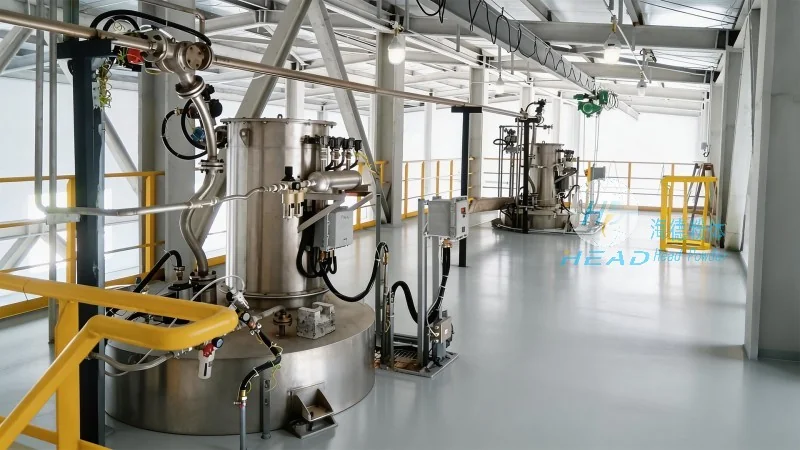
HeadPowder's pneumatic conveying systems for metallurgical coke powder are engineered with several key features that address the unique challenges of handling this material. Firstly, the equipment is designed for high efficiency and low maintenance. The use of high-quality components and robust construction reduces the need for frequent repairs, leading to lower operational costs over the system's lifespan. The systems are also equipped with self-cleaning mechanisms, such as rotary valves or air locks, which prevent material buildup and ensure consistent flow. Secondly, the equipment offers excellent control over the conveying process. Advanced control systems allow operators to adjust the pressure, flow rate, and material feed rate in real-time, ensuring optimal performance and preventing overloading or underloading of the pipeline. This control is critical for maintaining the quality of the coke powder, as excessive pressure or flow can cause particle breakage or degradation. Thirdly, the systems are built for durability and reliability. The components are made from materials resistant to corrosion and abrasion, such as stainless steel or wear-resistant alloys, which are essential for handling the fine, abrasive nature of metallurgical coke powder. The pipeline and fittings are designed with smooth surfaces and minimal bends to reduce friction and prevent blockages. Additionally, the systems include safety features like pressure relief valves and vacuum breakers, which protect the equipment from damage due to overpressure or vacuum conditions. The integration of sensors and monitoring systems provides real-time data on system performance, enabling proactive maintenance and reducing downtime. These features collectively ensure that the pneumatic conveying equipment operates reliably and efficiently, meeting the demands of modern metallurgical operations.
Advantages of Using Pneumatic Conveying Equipment for Metallurgical Coke Powder
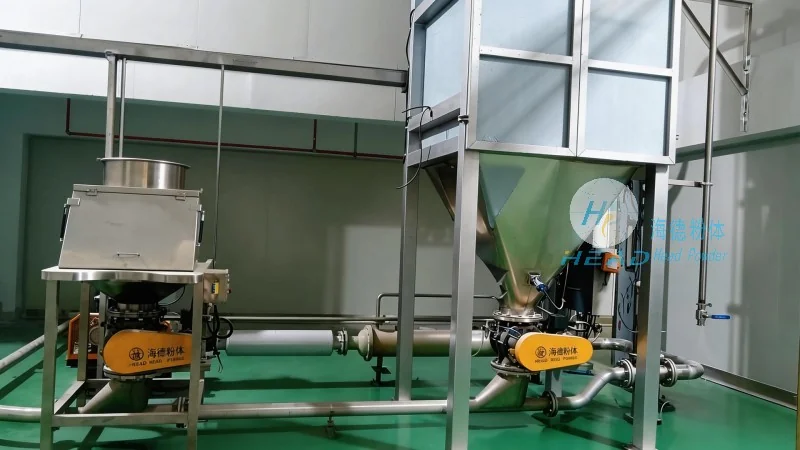
Implementing pneumatic conveying equipment for metallurgical coke powder offers several advantages over traditional material handling methods, such as belt conveyors or bucket elevators. Firstly, the system is more flexible and adaptable to changes in production volume and layout. Unlike fixed conveyors, pneumatic systems can be easily reconfigured or expanded to accommodate increased demand or changes in the production process. This flexibility is particularly valuable in metallurgical plants, where production schedules may vary or new processes are introduced. Secondly, the equipment provides a cleaner and more hygienic handling environment. Pneumatic systems transport the material in a closed pipeline, preventing dust and contamination from escaping into the workplace. This is crucial for maintaining a safe and healthy working environment, as metallurgical coke powder can be a respiratory irritant. Thirdly, the system reduces material loss and improves material quality. By minimizing contact with the environment and avoiding the use of mechanical components that can cause particle breakage, the system preserves the quality of the coke powder, which is essential for its use in blast furnaces and other metallurgical processes. Additionally, the closed system reduces the risk of material spillage and environmental contamination, aligning with environmental regulations. The efficiency of the system also contributes to cost savings, as it reduces the need for manual handling and minimizes material waste. Overall, pneumatic conveying equipment for metallurgical coke powder is a superior solution for modern metallurgical operations, offering enhanced performance, reliability, and safety.




