When it comes to handling sodium hydroxide, a reliable and efficient pneumatic conveying system is essential for industrial operations. The design of such a system requires careful consideration of various factors to ensure optimal performance, safety, and cost-effectiveness. This article provides a detailed guide on how to design a reasonable sodium hydroxide pneumatic conveying system, focusing on key aspects that contribute to a successful implementation.
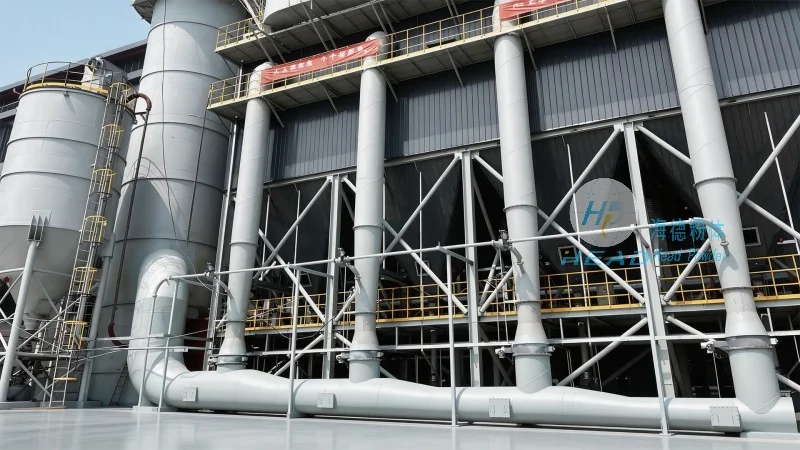
Understanding the Core Requirements for Sodium Hydroxide Pneumatic Conveying
Before diving into the design process, it's crucial to understand the specific characteristics of sodium hydroxide and the operational demands of the application. Sodium hydroxide, commonly known as caustic soda, is a highly caustic and reactive chemical that demands specialized handling to prevent material degradation, equipment corrosion, and safety hazards. The design of a pneumatic conveying system must account for these properties, ensuring that the system can handle the material's flow characteristics, moisture content, and potential for dust generation effectively.
Key Design Considerations for a Reliable System
Several critical factors must be evaluated when designing a sodium hydroxide pneumatic conveying system. These include the material's bulk density, particle size distribution, and flowability, as these properties directly impact the system's capacity and efficiency. The choice of conveying method—whether it's a positive pressure or negative pressure system—also plays a significant role in determining the system's performance. Positive pressure systems, where air is blown into the system to move material, are often preferred for sodium hydroxide due to their ability to handle abrasive and corrosive materials with less wear on components. Additionally, the system's layout, including the number of transfer points, vertical and horizontal distances, and the type of equipment used (such as rotary valves, filters, and receivers), must be carefully planned to minimize material degradation and ensure smooth operation.
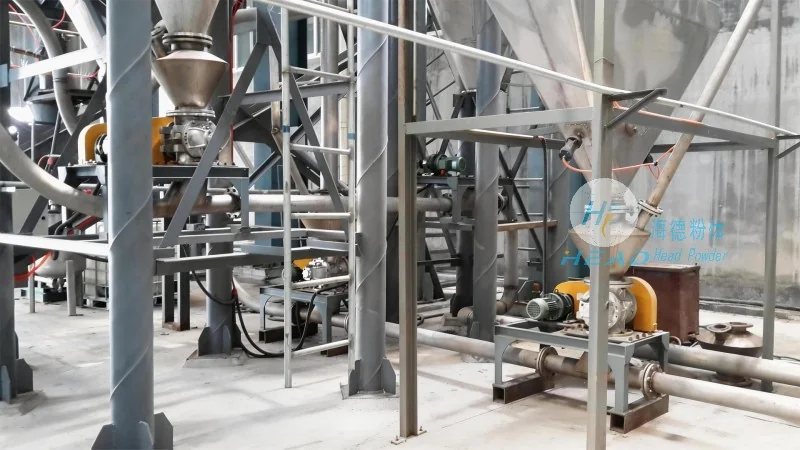
Material Handling Equipment Selection for Sodium Hydroxide
Choosing the right equipment is paramount to the success of a sodium hydroxide pneumatic conveying system. The primary components include feeders, conveyors, and receivers. For sodium hydroxide, rotary airlock valves are commonly used as feeders due to their ability to handle abrasive and corrosive materials while maintaining a consistent flow rate. These valves are designed to prevent backflow and ensure that the material is conveyed smoothly into the system. The conveyor itself, typically a pipeline system, must be constructed from materials resistant to caustic soda, such as stainless steel or specialized alloys, to prevent corrosion and ensure longevity. Filters and receivers are also essential components, as they help to separate the conveyed material from the air and collect any dust or particles, maintaining system efficiency and safety.
System Integration and Control for Optimal Performance
Integrating the various components of a sodium hydroxide pneumatic conveying system requires careful planning to ensure seamless operation. The system's control system, which includes sensors and control panels, must be designed to monitor and regulate the flow rate, pressure, and temperature of the material and air. This helps to prevent overloading, maintain consistent performance, and ensure that the system operates within safe parameters. Proper integration also involves considering the system's compatibility with existing infrastructure, such as storage tanks and processing equipment, to minimize installation costs and ensure a smooth transition to the new system.
Ensuring Safety and Compliance in System Design
Given the hazardous nature of sodium hydroxide, safety is a top priority in system design. The system must be designed to comply with relevant safety regulations and standards, such as those from OSHA or local environmental agencies. This includes features like explosion-proof components, proper ventilation systems, and emergency shut-off mechanisms to prevent accidents and minimize the risk of exposure to the material. Additionally, the system should be designed to minimize dust generation and ensure proper containment, as sodium hydroxide dust can be harmful if inhaled. Regular maintenance and inspection of the system are also critical to maintaining safety and performance over time.
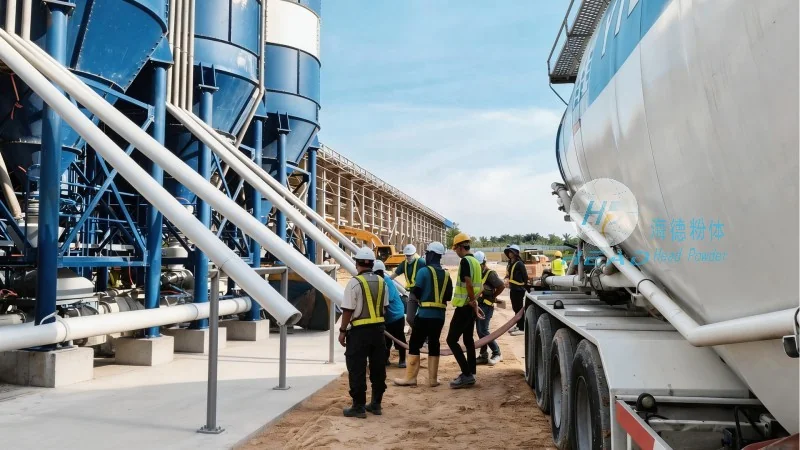
Case Study: Successful Implementation by Shandong HeadPowder Engineering Co., Ltd.
Shandong HeadPowder Engineering Co., Ltd., a leading provider of engineering solutions for material handling systems, has successfully implemented numerous sodium hydroxide pneumatic conveying systems for clients across various industries. With years of experience in designing and manufacturing such systems, the company understands the unique challenges associated with handling caustic soda and has developed specialized solutions to address them. For example, one of their recent projects involved designing a positive pressure pneumatic conveying system for a chemical plant in China, where the system was able to handle large volumes of sodium hydroxide while maintaining high efficiency and low maintenance costs. The success of this project highlights the importance of careful system design and the expertise required to ensure optimal performance.
Conclusion: Designing a Reliable Sodium Hydroxide Pneumatic Conveying System
Designing a reasonable sodium hydroxide pneumatic conveying system requires a comprehensive approach that considers the material's properties, operational demands, and safety requirements. By carefully evaluating key design factors, selecting appropriate equipment, and ensuring proper integration and control, industrial facilities can achieve efficient and safe handling of sodium hydroxide. Companies like Shandong HeadPowder Engineering Co., Ltd. play a crucial role in providing expert guidance and customized solutions to meet the specific needs of their clients, ensuring that the system operates at its best and contributes to the overall success of the operation.




