Carbide powder pneumatic conveying systems are critical components in industrial processing, particularly for handling materials like calcium carbide powder. These systems utilize air or gas to transport bulk materials through a pipeline network, offering a flexible and efficient method for material movement compared to traditional mechanical conveyors. Understanding the working principle and key features of such systems is essential for industries that rely on consistent and reliable material handling solutions.
Overview of Carbide Powder Pneumatic Conveying Systems
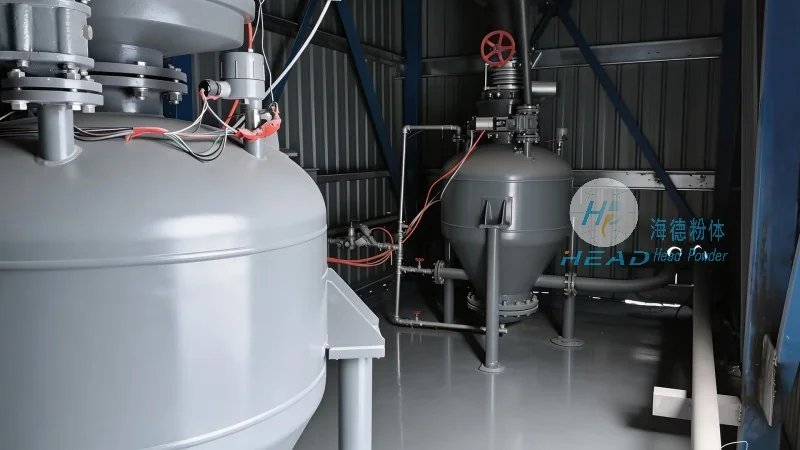
Carbide powder pneumatic conveying systems are designed to transport fine powders, such as calcium carbide, from a source to a destination using compressed air or other gases. The system typically consists of a hopper, a feeder, a pipeline, and a receiver. The hopper stores the carbide powder, while the feeder controls the flow rate of the material into the pipeline. Compressed air is introduced at one end of the pipeline, creating a pressure differential that propels the powder through the system. The receiver collects the material at the end of the pipeline, completing the conveying process.
Working Principle of the System
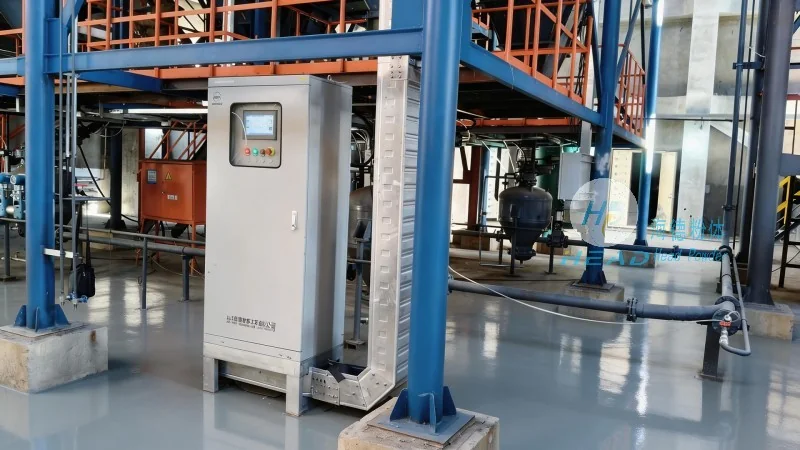
The core working principle of a carbide powder pneumatic conveying system involves the creation of a high-velocity air stream within the pipeline. This air stream, often referred to as the conveying air, generates sufficient kinetic energy to lift and transport the powder particles. The system operates on the principle of fluidization, where the powder particles are suspended in the air stream, allowing them to move through the pipeline without settling. The pressure drop along the pipeline is managed to ensure consistent flow rates and prevent material blockages. The system may use either positive pressure (where air is blown into the pipeline) or negative pressure (where air is drawn out), depending on the specific application and material characteristics.
Key Features of Carbide Powder Pneumatic Conveying Equipment
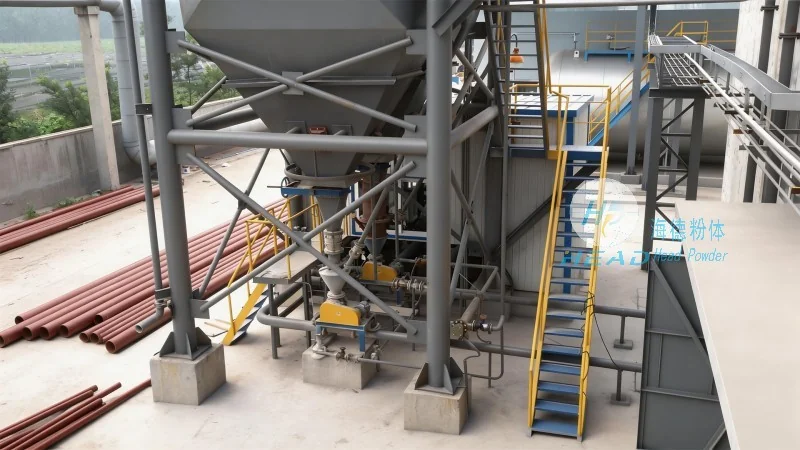
Several key features distinguish carbide powder pneumatic conveying systems from other material handling technologies. First, the systems offer high efficiency in material transport, with minimal material loss and low maintenance requirements. The use of air as the conveying medium reduces the risk of contamination and allows for the transport of materials in a closed system, which is crucial for maintaining product quality and safety. Additionally, these systems are highly flexible, as they can be easily reconfigured to accommodate changes in production needs or material types. The equipment is also designed for durability, with components made from materials resistant to corrosion and wear, ensuring long-term performance in industrial environments.
Applications and Benefits in Industrial Settings
Carbide powder pneumatic conveying systems are widely used in various industrial applications, including chemical manufacturing, steel production, and mining. In these settings, the systems provide reliable and efficient material handling, reducing downtime and improving overall productivity. The benefits of using such systems include reduced labor costs, improved safety by minimizing manual handling of powders, and enhanced product quality through controlled conveying processes. The systems are particularly advantageous for handling materials that are prone to dust explosion or require a sterile environment, as the closed pipeline design prevents contamination and dust dispersion.
Company Information: Shandong HeadPowder Engineering Co., Ltd.
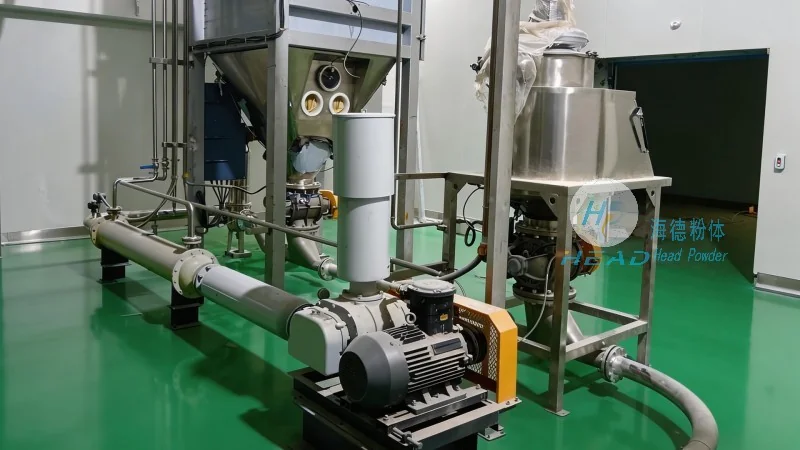
For industries seeking reliable and high-performance carbide powder pneumatic conveying systems, Shandong HeadPowder Engineering Co., Ltd. offers advanced solutions tailored to specific operational needs. With a focus on innovation and quality, the company provides customized equipment that meets the unique requirements of each client. HeadPowder's expertise in material handling technology ensures that their systems are designed to deliver optimal performance, durability, and efficiency. The company's headquarters is located in Shandong, China, where they maintain state-of-the-art manufacturing facilities and technical support teams to assist clients worldwide.




