When designing a micropowder pneumatic conveying system, several critical factors must be considered to ensure optimal performance, reliability, and cost-effectiveness. The process begins with a thorough analysis of the material properties, including particle size, density, moisture content, and flow characteristics. These attributes directly influence the selection of the appropriate conveying method—such as dilute-phase or dense-phase systems—and the required air velocity and pressure. For instance, fine powders like pharmaceuticals or food additives often demand precise control to prevent agglomeration or loss of product quality.
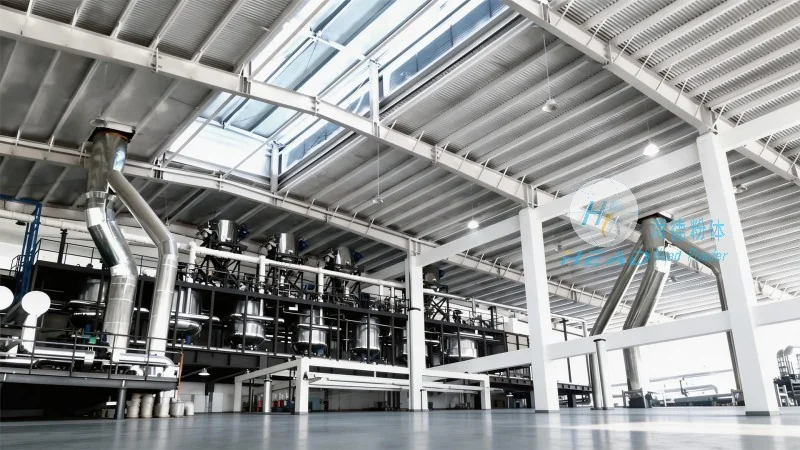
Key Design Considerations for Micropowder Pneumatic Conveying
HeadPowder, a leading engineering firm based in Shandong, China, emphasizes that the success of a micropowder conveying system hinges on a comprehensive approach that integrates material science, fluid dynamics, and engineering expertise. The first step involves evaluating the material's behavior under pneumatic conditions. This includes determining the minimum fluidization velocity, which is essential for maintaining a stable flow in dilute-phase systems. Additionally, the system's layout—such as the number of transfer points, vertical or horizontal runs, and the use of bends or elbows—must be optimized to minimize pressure drop and energy consumption. For example, in a system transporting fine cement or pigment powders, the selection of a positive displacement blower or a rotary lobe pump may depend on the required pressure and flow rate.
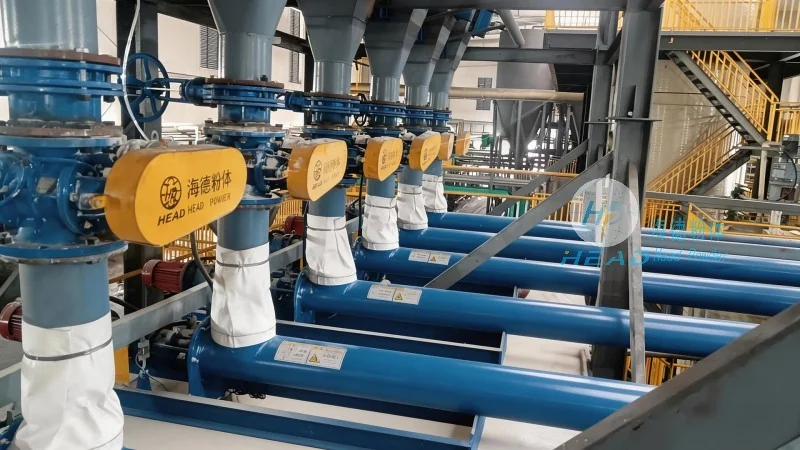
System Components and Their Role in Micropowder Conveying
The design of a micropowder pneumatic conveying system involves integrating several key components, each tailored to the specific needs of the material being transported. The primary components include the air source (blower or compressor), the material feed system (hopper or feeder), the conveying line (pipes and fittings), and the receiving vessel. The air source must provide sufficient pressure and volume to overcome the resistance of the conveying line and the material's drag forces. For headpowder's systems, the choice of a high-efficiency blower with adjustable speed control allows for dynamic adjustment based on real-time flow conditions, enhancing energy efficiency. The material feed system, such as a rotary valve or a screw feeder, ensures a consistent and controlled feed rate, preventing surges that could lead to system blockages or uneven flow. The conveying line, typically made of stainless steel or plastic, is designed to minimize friction and pressure loss. For fine powders, the use of smooth, non-porous pipes and appropriate bends with low pressure drop is crucial. The receiving vessel, equipped with a dust collection system or a filter, ensures that the material is safely contained and that air emissions are minimized.
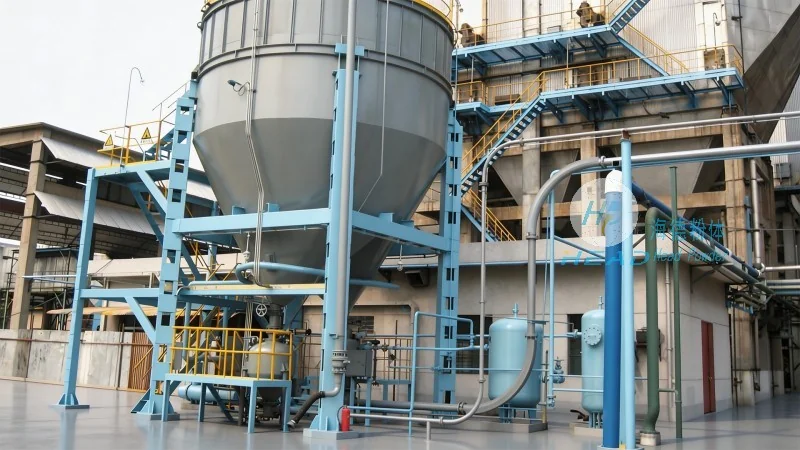
Optimizing Pressure and Flow for Micropowder Transport
Pressure and flow rate are two of the most critical parameters in micropowder pneumatic conveying. The system must generate enough pressure to move the material through the entire conveying line, including vertical lifts and horizontal runs. The pressure drop across the system is a key factor, as it directly impacts energy consumption. Engineers at HeadPowder use advanced computational fluid dynamics (CFD) models to simulate the flow of powders in the conveying line, allowing them to optimize the pipe diameter, length, and configuration to minimize pressure drop. For example, in a system transporting 100 kg of fine pharmaceutical powder per hour, the pressure required might be around 0.5 to 1 bar, depending on the system layout. The flow rate, measured in cubic meters per hour, must be matched to the material's characteristics to avoid excessive wear on the system components or product degradation. The use of variable frequency drives (VFDs) on the blower allows for precise control of the air volume, enabling the system to adapt to changes in feed rate or material properties.
Ensuring Reliability and Maintenance in Micropowder Conveying Systems
Reliability is paramount in industrial applications where micropowder conveying systems are used. HeadPowder's design philosophy focuses on creating systems that are robust, easy to maintain, and capable of withstanding the challenges of handling fine powders. Regular maintenance, such as cleaning the filter, checking for leaks in the conveying line, and inspecting the air source, is essential to prevent system failures. The use of high-quality materials, such as stainless steel for the conveying line and components, helps to resist corrosion and wear caused by the fine particles. Additionally, the inclusion of safety features, such as pressure relief valves and dust collection systems, ensures that the system operates within safe parameters. For instance, in a food processing plant, the system must meet strict hygiene standards, which means using sanitary stainless steel components and ensuring that all parts are easily accessible for cleaning and maintenance.
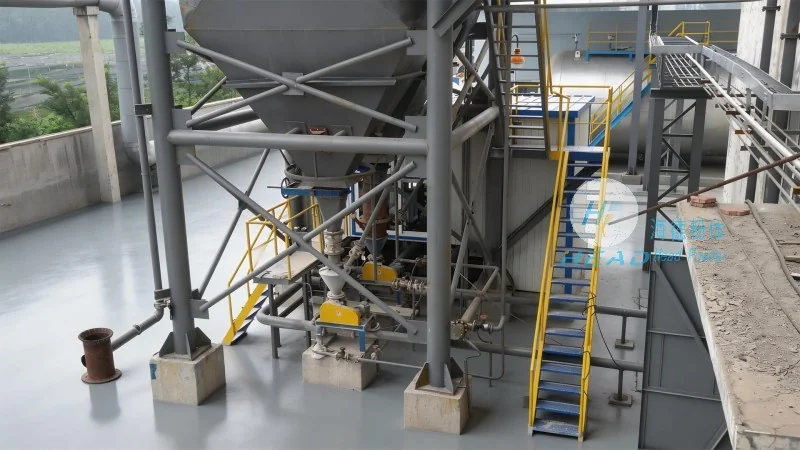
Case Study: A Successful Micropowder Pneumatic Conveying System by HeadPowder
HeadPowder has successfully implemented numerous micropowder pneumatic conveying systems for clients across various industries, including pharmaceuticals, food processing, and chemical manufacturing. One notable case involved a client in Shandong, China, who needed to transport fine pigment powders from a storage silo to a mixing plant. The system designed by HeadPowder included a positive displacement blower, a rotary valve feeder, and a stainless steel conveying line with optimized bends. The system was able to achieve a flow rate of 2 tons per hour with a pressure drop of less than 0.3 bar, resulting in significant energy savings compared to traditional mechanical conveying methods. The client reported that the system reduced maintenance time by 30% and improved product quality by minimizing dust exposure and agglomeration. This success highlights the importance of a tailored design approach that considers the specific material properties and operational requirements of the client.




