

Working Principle and Features of Yellow Sand Pneumatic Conveying Lines
Yellow sand pneumatic conveying systems are essential equipment in industrial material handling, designed to transport yellow sand efficiently and safely. This article explores the working principle and key features of such systems, providing insights into their operation and benefits.
Introduction to Yellow Sand Pneumatic Conveying Systems
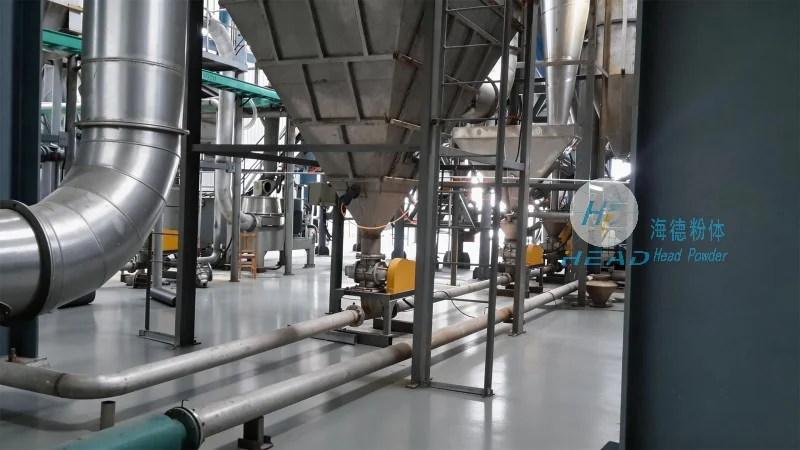
Yellow sand, a common construction material, often requires reliable and efficient transportation methods to move it from storage to processing or construction sites. Pneumatic conveying systems offer a solution by using air pressure to transport the sand, eliminating the need for mechanical components like belts or buckets. The system is particularly suitable for handling fine or dusty materials, ensuring minimal dust generation and environmental compliance.
Company Overview: Shandong HeadPowder Engineering Co., Ltd.
HeadPowder, a leading manufacturer in the field, specializes in designing and manufacturing high-quality pneumatic conveying equipment. With a focus on innovation and customer satisfaction, the company has established itself as a trusted partner for industries requiring efficient material handling solutions. HeadPowder's expertise lies in customizing systems to meet specific operational needs, ensuring optimal performance and durability.
Working Principle of Yellow Sand Pneumatic Conveying Lines
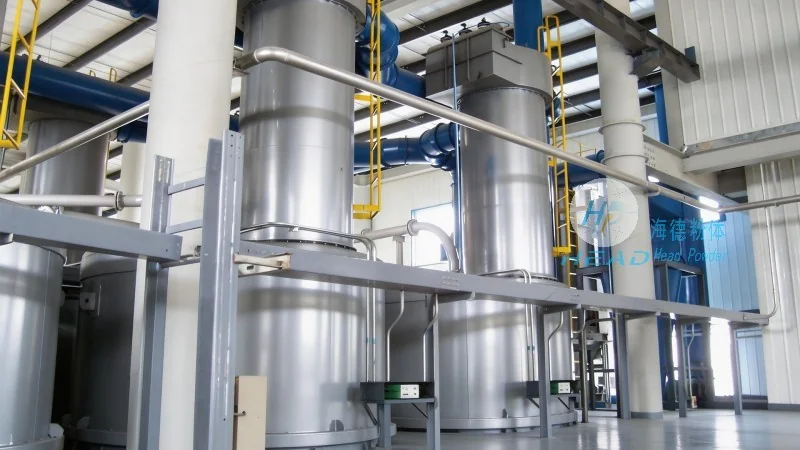
The working principle of a yellow sand pneumatic conveying line revolves around the use of compressed air to transport the material. The system starts with the sand being loaded into a hopper, which is equipped with a feed valve to control the flow rate. The hopper is connected to a pipeline network, which is typically made of stainless steel or other corrosion-resistant materials to prevent wear and contamination. A blower or compressor, usually a rotary lobe type, generates the necessary air pressure to move the sand particles. As the air is introduced into the pipeline, it creates a negative pressure or positive pressure environment, depending on the system design. In a positive pressure system, the air pushes the sand through the pipeline, while in a negative pressure system, the air pulls the sand from the hopper. The sand particles are suspended in the air stream and carried along the pipeline to the discharge point. The discharge unit, often a rotary valve or a venturi, controls the release of the sand into the next stage of the process. This mechanism ensures a continuous and controlled flow of yellow sand, minimizing material loss and ensuring consistent performance.
Key Features of Yellow Sand Pneumatic Conveying Systems
Yellow sand pneumatic conveying systems offer several advantages that make them ideal for industrial applications. Firstly, they provide a dust-free operation, which is crucial for maintaining a clean working environment and complying with environmental regulations. Secondly, the system is highly efficient, with minimal energy consumption compared to traditional mechanical conveyors. Thirdly, it allows for flexible and scalable configurations, enabling easy integration into existing production lines. Additionally, the equipment is designed for durability and low maintenance, reducing downtime and operational costs. The systems can also be equipped with advanced control systems, allowing for real-time monitoring and adjustment of the conveying process.
Technical Specifications and Customization Options
HeadPowder offers a range of customization options to suit different yellow sand handling requirements. The systems can be designed with varying pipeline lengths, diameters, and air pressure levels to accommodate different production volumes. The company also provides options for different types of blowers, such as centrifugal or positive displacement compressors, depending on the specific application needs. Furthermore, the conveying lines can be equipped with features like dust collection systems, flow meters, and pressure sensors to enhance operational control and safety. The company's engineering team works closely with clients to understand their unique requirements and develop tailored solutions that meet their operational goals.
Applications and Industry Benefits
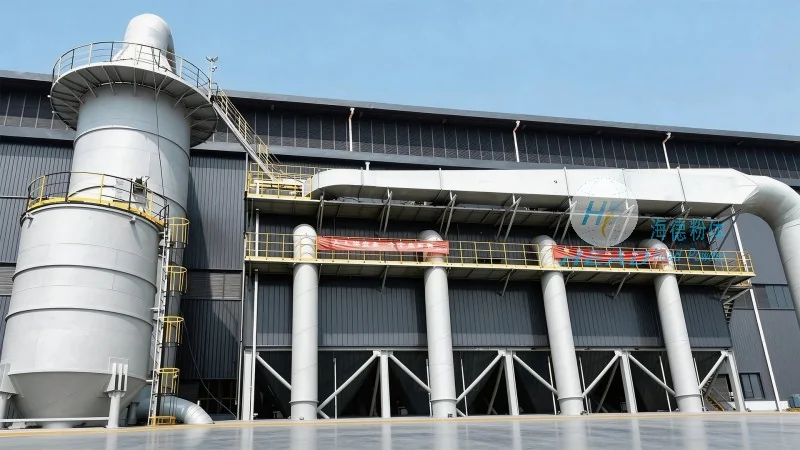
Yellow sand pneumatic conveying systems are widely used in various industries, including construction, mining, and manufacturing. In construction, they are used to transport sand from stockpiles to concrete mixing plants or building sites, ensuring a steady supply of material without manual handling. In mining operations, the systems help in transporting sand from processing facilities to storage areas, improving efficiency and reducing labor costs. The systems also find applications in the chemical and food industries, where dust control and hygiene are critical. By using pneumatic conveying, industries can improve productivity, reduce the risk of accidents from manual material handling, and enhance overall operational safety. The dust-free operation also helps in maintaining a healthier work environment, reducing the risk of respiratory issues among workers.
Conclusion and Company Commitment
Yellow sand pneumatic conveying systems are a reliable and efficient solution for handling yellow sand in industrial settings. With their ability to operate dust-free, consume less energy, and provide flexible configurations, these systems offer significant benefits to businesses. HeadPowder, as a leading manufacturer, is committed to providing high-quality, customized solutions that meet the unique needs of each client. By leveraging advanced technology and expert engineering, HeadPowder ensures that its pneumatic conveying systems deliver optimal performance and longevity, helping industries achieve their operational goals and maintain a competitive edge in their respective markets.