

What is a Dolomite Powder Pneumatic Conveying System? And What Are Its Design Principles?
Dolomite powder, a widely used industrial material, often requires efficient and reliable transportation methods to move it from one location to another within a production facility. A pneumatic conveying system is an ideal solution for handling such powders, offering a closed-loop, dust-free, and energy-efficient method of material transport. This article explores what a dolomite powder pneumatic conveying system is and delves into its fundamental design principles, highlighting the technology's benefits and practical applications.
About HeadPowder: Your Expert in Material Handling Solutions
HeadPowder, a leading provider of engineering solutions, specializes in designing and manufacturing advanced pneumatic conveying systems tailored to the needs of various industries. With a strong presence in Shandong, China, HeadPowder has built a reputation for delivering high-quality equipment that ensures safe, efficient, and cost-effective material handling. The company's commitment to innovation and customer satisfaction makes it a trusted partner for businesses seeking reliable dolomite powder handling solutions.
Components and Working Principle of the Pneumatic Conveying System
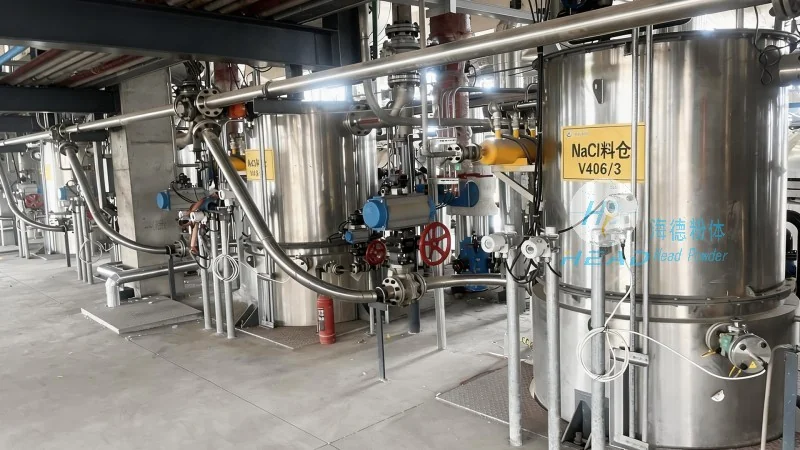
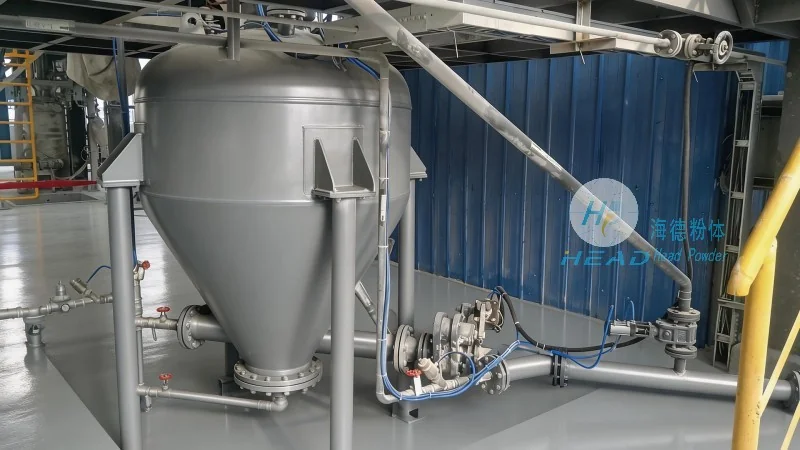
A dolomite powder pneumatic conveying system typically consists of several key components that work in tandem to transport the material. The primary elements include a hopper for material storage, a feeder to control the flow rate, a conveying line (often made of stainless steel or other corrosion-resistant materials), a pressure vessel or receiver to collect the material at the destination, and a blower or compressor to generate the necessary air pressure. The system operates by introducing compressed air into the conveying line, which lifts and propels the dolomite powder particles through the system. The air and powder mixture travels through the pipeline, and upon reaching the receiver, the air is separated from the powder, typically using a cyclone or filter, allowing the dolomite powder to be collected in a container or directly fed into the next processing stage.
Design Principles and Key Considerations
The design of a dolomite powder pneumatic conveying system is based on several critical principles to ensure optimal performance and reliability. The first principle is the selection of appropriate equipment based on the material's properties, such as particle size, density, and moisture content. Dolomite powder, being a fine, abrasive material, requires a system designed to handle these characteristics without causing excessive wear or blockages. The system's design must also consider the required conveying distance and the volume of material to be transported, as these factors influence the choice of blower capacity, pipeline diameter, and the number of bends or fittings. Additionally, the system must be equipped with proper safety features, including pressure relief valves and dust collection systems, to prevent accidents and maintain a clean working environment. The use of corrosion-resistant materials, such as stainless steel, is essential to withstand the acidic nature of dolomite and prevent system degradation over time.
Benefits and Practical Applications
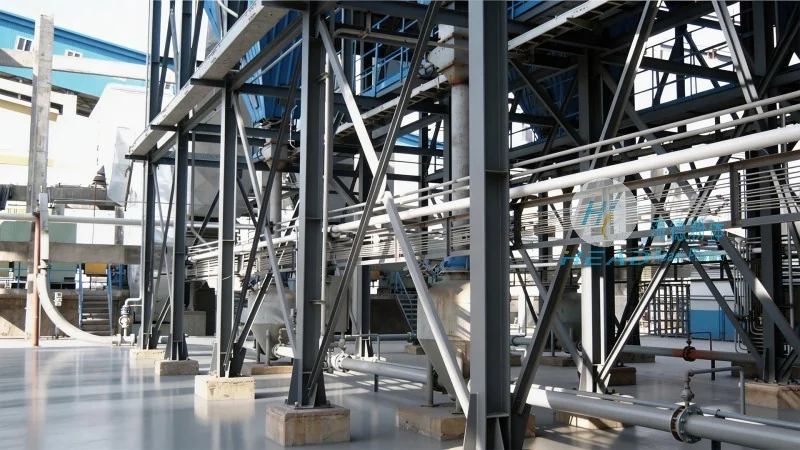
Implementing a dolomite powder pneumatic conveying system offers numerous advantages over traditional methods like bucket elevators or belt conveyors. The primary benefits include a closed-loop operation that minimizes dust emissions, enhancing workplace safety and compliance with environmental regulations. The system also reduces material loss and contamination, as the material is contained within the pipeline, preventing exposure to external elements. Furthermore, pneumatic conveying systems are more energy-efficient compared to mechanical systems, as they use compressed air to move the material, which can lead to significant cost savings over the system's lifespan. These systems are widely used in industries such as cement, chemicals, and mining, where dolomite is a key raw material. They are particularly suitable for applications requiring long-distance transport, high-volume handling, or the need to maintain a clean and controlled environment.
Conclusion and Commitment from HeadPowder
As a leading manufacturer of dolomite powder pneumatic conveying systems, HeadPowder combines advanced engineering with customer-centric solutions to meet the diverse needs of industrial clients. The company's expertise in material handling technology ensures that each system is designed to maximize efficiency, reliability, and safety. By adhering to rigorous quality standards and providing comprehensive support, HeadPowder aims to deliver systems that not only meet but exceed industry expectations. For businesses seeking to optimize their dolomite powder handling processes, HeadPowder stands ready to provide tailored solutions that enhance productivity and operational performance.