

What is a Light Calcium Carbonate Powder Pneumatic Conveying Equipment? And What Are Its Design Prin
Light calcium carbonate powder, a widely used industrial material, often requires efficient and reliable transportation methods to move it from one location to another. Pneumatic conveying equipment has emerged as a preferred solution for handling such powders due to its ability to transport materials in a closed system, minimizing dust exposure and ensuring consistent flow. This article explores the concept of light calcium carbonate powder pneumatic conveying equipment and delves into its fundamental design principles, providing insights into how these systems operate and their key components.
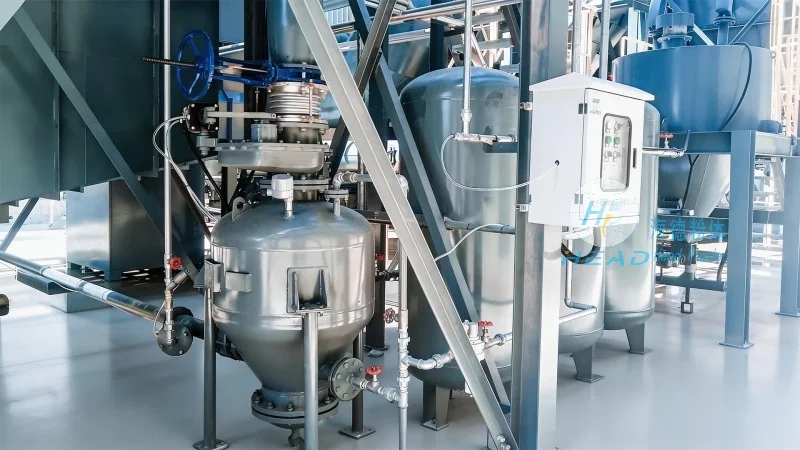
Understanding the Core Components of Pneumatic Conveying Systems
At the heart of any pneumatic conveying system for light calcium carbonate powder lies a series of interconnected components that work in tandem to achieve effective material transport. The primary components typically include a material feed hopper, a conveying line (either positive or negative pressure), a separator or filter to remove entrained air, and a discharge outlet. The material feed hopper is designed to store and feed the light calcium carbonate powder into the system at a controlled rate, ensuring a steady flow of material. The conveying line, which can be either positive pressure (where air is blown through the line to push the powder) or negative pressure (where air is drawn through the line to pull the powder), is the main pathway for the material movement. The separator or filter is crucial for removing any air that is mixed with the powder during transport, as this helps maintain the integrity of the material and prevents dust dispersion. Finally, the discharge outlet allows the light calcium carbonate powder to be released at the destination point, completing the conveying process.
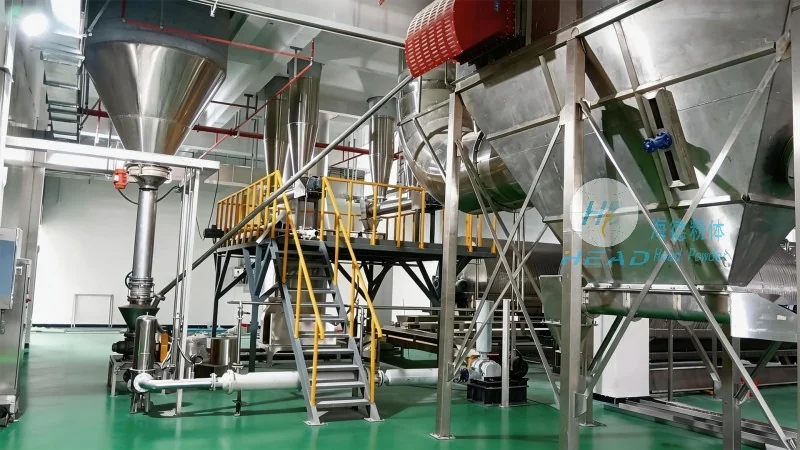
Design Principles Behind Light Calcium Carbonate Powder Pneumatic Conveying
The design of light calcium carbonate powder pneumatic conveying equipment is guided by several key principles that ensure optimal performance, efficiency, and safety. One of the primary design considerations is the particle size and density of the light calcium carbonate powder. Since light calcium carbonate has relatively fine particles, the conveying system must be designed to handle such materials without causing excessive pressure drops or blockages. The system's design must also account for the powder's flow characteristics, such as its angle of repose and cohesive properties, to ensure smooth and consistent movement. Another critical design principle is the selection of the appropriate conveying pressure and velocity. The pressure and velocity must be optimized to prevent particle degradation or agglomeration, which could lead to system inefficiencies or blockages. Additionally, the system's material of construction is an important design factor, as it must be resistant to the chemical properties of the light calcium carbonate powder and any potential abrasion from the material. The design also incorporates safety features, such as explosion-proof components and dust collection systems, to protect both the equipment and the environment from potential hazards.
Applications and Benefits of Light Calcium Carbonate Powder Pneumatic Conveying
Light calcium carbonate powder pneumatic conveying equipment finds applications in various industries, including plastics, paper, coatings, and construction. In the plastics industry, for example, light calcium carbonate is often used as a filler to improve the mechanical properties of plastic products. The pneumatic conveying system allows for the efficient and dust-free transport of this filler from storage to processing equipment, ensuring consistent quality in the final product. In the paper industry, light calcium carbonate is used as a filler to enhance the brightness and opacity of paper. The conveying system helps maintain the purity of the powder, preventing contamination that could affect the quality of the paper. The benefits of using pneumatic conveying for light calcium carbonate powder are numerous. Firstly, it provides a closed system that minimizes dust exposure, improving workplace safety and reducing environmental impact. Secondly, it offers high conveying rates and efficiency, reducing the time and cost associated with material transport. Thirdly, it allows for precise control over the material flow, ensuring consistent quality in the final product. Finally, the system is relatively easy to install and maintain, making it a cost-effective solution for many industrial applications.
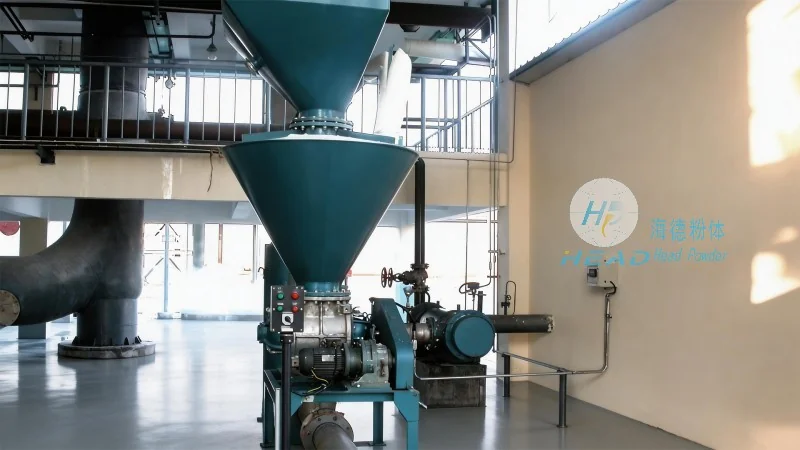
Company Profile: Shandong HeadPowder Engineering Co., Ltd.
Shandong HeadPowder Engineering Co., Ltd., commonly known as headpowder, is a leading manufacturer of pneumatic conveying equipment for light calcium carbonate powder and other industrial materials. With its headquarters located in Shandong, China, the company has established itself as a trusted provider of high-quality conveying systems that meet the needs of various industries. HeadPowder specializes in designing and manufacturing custom pneumatic conveying solutions tailored to the specific requirements of its clients. The company's team of engineers and technicians has extensive experience in the field, ensuring that each system is designed to operate efficiently and reliably. HeadPowder's commitment to quality and customer satisfaction has earned it a reputation as a reliable partner in the industry. The company's products are known for their durability, efficiency, and safety features, making them a preferred choice for many industrial applications.