

[Dry Desulfurizer Powder Pneumatic Conveying Equipment: What It Is and Its Design Principles]
For industrial applications involving dry desulfurization processes, the efficient and reliable transport of desulfurizer powders is a critical factor in maintaining system performance and operational efficiency. This article explores the concept of dry desulfurizer powder pneumatic conveying equipment, detailing its functionality and the underlying design principles that govern its operation. By understanding these elements, stakeholders in the power generation and environmental protection sectors can better appreciate the role such equipment plays in modern desulfurization systems.
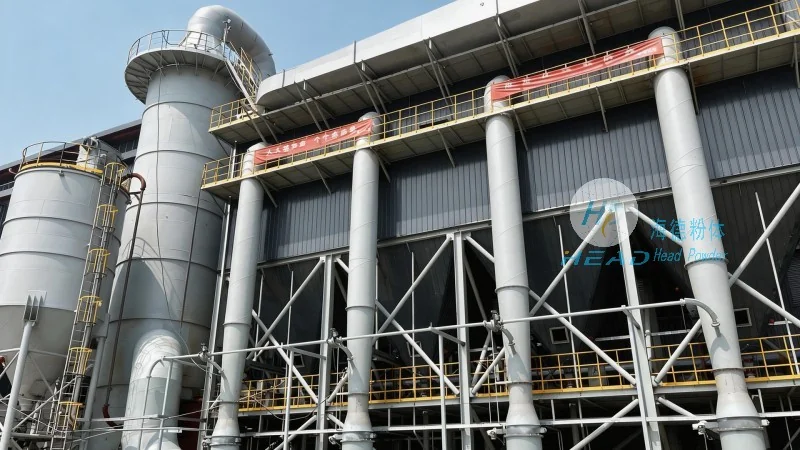
Understanding Dry Desulfurizer Powder Pneumatic Conveying Equipment
Dry desulfurizer powder pneumatic conveying equipment is a specialized system designed to transport dry desulfurizer powders, typically calcium-based compounds like limestone or calcium carbonate, from storage silos or processing units to the injection points within a flue gas desulfurization (FGD) system. The primary function of this equipment is to ensure a consistent and controlled flow of the desulfurizer powder, which is essential for achieving the desired sulfur dioxide (SO₂) removal efficiency in power plants and other industrial facilities.
The equipment operates on the principle of pneumatic conveying, where air or gas is used to move the powder through a network of pipes. This method offers several advantages over traditional mechanical conveying systems, including reduced risk of material degradation, lower maintenance requirements, and the ability to handle materials that are difficult to transport using conventional methods. The system typically consists of key components such as a blower or fan, a hopper for material storage, a conveying line, and a separation or collection unit at the destination point.
Key Design Principles of Pneumatic Conveying Systems
The design of dry desulfurizer powder pneumatic conveying equipment is guided by several fundamental principles aimed at optimizing performance, ensuring safety, and minimizing operational costs. One of the core design considerations is the selection of the appropriate conveying velocity, which must be high enough to prevent material settling in the pipes but low enough to avoid excessive wear on the system components. Engineers often use the "critical velocity" concept to determine the minimum air velocity required to keep the powder suspended and moving through the pipeline.
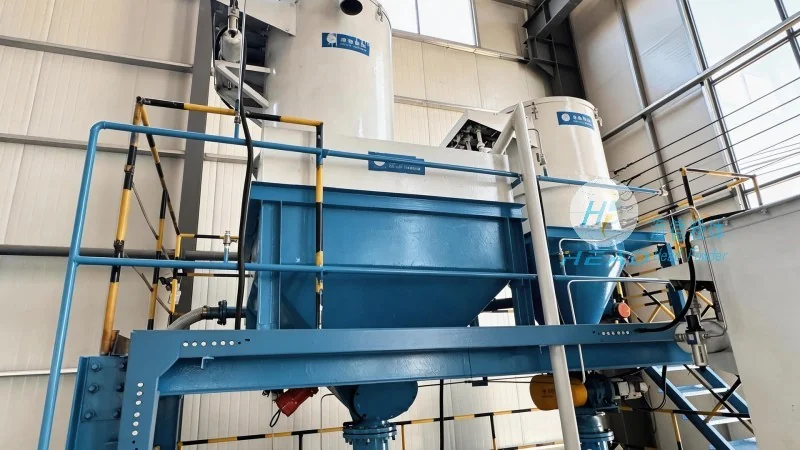
Another critical design principle is the system's pressure and flow rate management. The blower or fan must generate sufficient pressure to overcome the resistance of the conveying line, including friction losses and any elevation changes. Proper sizing of the blower and the diameter of the conveying pipes are essential to maintain the desired flow rate and prevent clogging or blockages. Additionally, the design incorporates features to handle variations in material properties, such as moisture content or particle size distribution, which can affect the conveying performance.
Components and Operational Workflow
The dry desulfurizer powder pneumatic conveying system typically includes several interconnected components that work in tandem to achieve efficient powder transport. The process begins with the desulfurizer powder stored in a hopper or silo, where it is fed into the system via a feeder or rotary valve. The feeder controls the flow rate of the powder, ensuring a steady supply to the conveying line.
From the hopper, the powder is introduced into the conveying line, where it is mixed with air from the blower. The air-powder mixture travels through the pipeline to the injection point, where the powder is released into the flue gas stream. At the destination, a separator or cyclone separates the powder from the air, allowing the air to be recirculated or vented, while the desulfurizer powder is collected and directed to the FGD system for further processing.
Advantages and Applications
Compared to traditional mechanical conveying methods, dry desulfurizer powder pneumatic conveying equipment offers several advantages that make it a preferred choice in many industrial applications. These include the ability to handle fine powders without degradation, reduced risk of material contamination, and the flexibility to transport materials over long distances or through complex layouts. The system is particularly well-suited for power plants, where large quantities of desulfurizer powder are required to meet environmental regulations and maintain SO₂ emission standards.
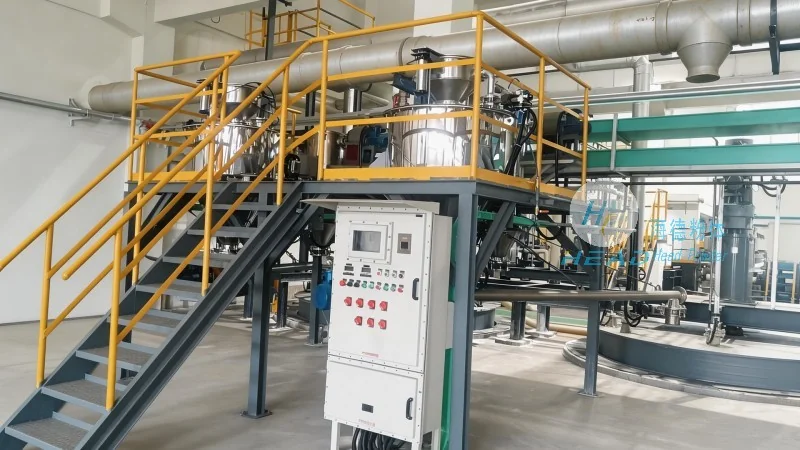
The equipment is also designed to be compatible with various desulfurization technologies, including wet and semi-dry systems, and can be integrated into existing infrastructure with minimal modifications. This adaptability makes it a versatile solution for facilities looking to upgrade or expand their desulfurization capabilities.
About Shandong HeadPowder Engineering Co., Ltd.
Shandong HeadPowder Engineering Co., Ltd., commonly known as HeadPowder, is a leading manufacturer of specialized powder handling equipment, including dry desulfurizer powder pneumatic conveying systems. With a focus on innovation and quality, HeadPowder has established itself as a trusted partner for industries requiring reliable and efficient powder transport solutions. The company's headquarters is located in Shandong, China, where it leverages advanced engineering expertise and manufacturing capabilities to develop cutting-edge equipment tailored to the needs of modern industrial processes.
HeadPowder's commitment to customer satisfaction and technical excellence is reflected in its comprehensive product line and dedicated after-sales support. By partnering with HeadPowder, facilities can benefit from state-of-the-art pneumatic conveying systems that enhance operational efficiency, reduce maintenance costs, and ensure compliance with environmental regulations. The company's expertise in powder handling technology makes it an ideal choice for businesses seeking to optimize their desulfurization processes and improve overall plant performance.