

What is a Calcium Lime Powder Pneumatic Conveying System? And What Are Its Design Principles?
Calcium lime powder is a critical material in many industrial processes, and efficient handling of this fine powder is essential for maintaining production efficiency and product quality. The pneumatic conveying system is a widely used method for transporting such powders, and understanding its design principles is crucial for optimizing performance. This article explores the concept of a calcium lime powder pneumatic conveying system, detailing its components, working principles, and key design considerations.
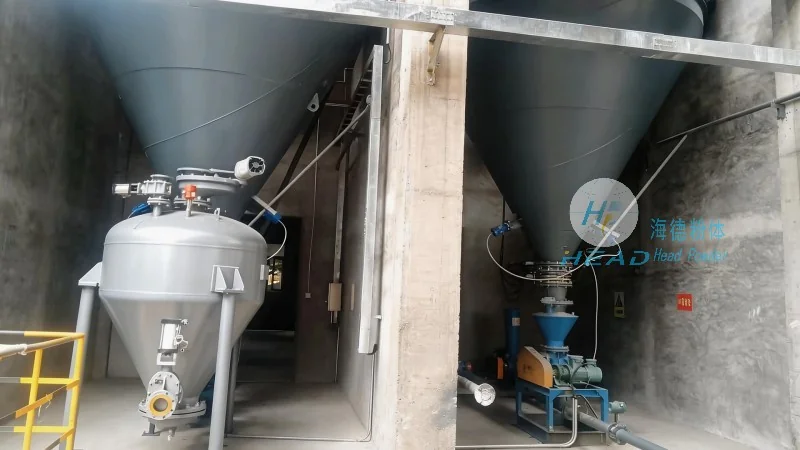
Introduction to Calcium Lime Powder Pneumatic Conveying
Calcium lime powder, often used in applications such as flue gas desulfurization, construction materials, and chemical manufacturing, requires specialized handling due to its fine particle size and potential for dust generation. Pneumatic conveying systems offer a solution by transporting the powder through a pipeline using air or other gases. This method eliminates the need for mechanical components like buckets or belts, reducing maintenance and increasing safety. The effectiveness of the system depends heavily on its design, which must account for the powder's properties, the required conveying distance, and the system's operational efficiency.
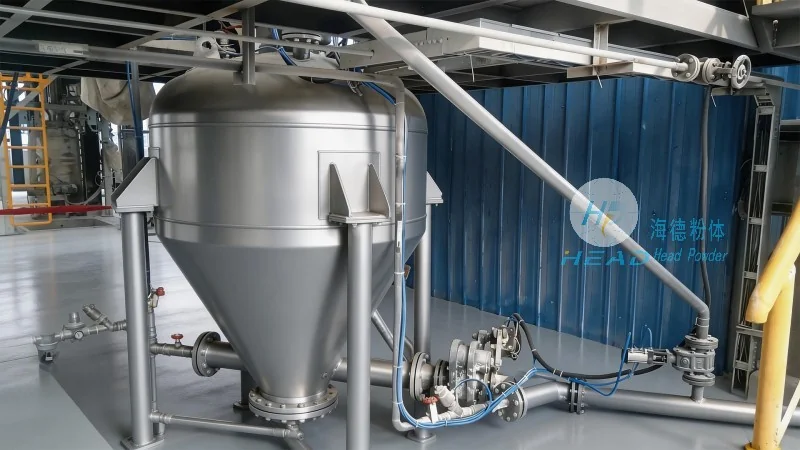
Key Components of the Pneumatic Conveying System
The calcium lime powder pneumatic conveying system consists of several key components that work together to transport the material. The primary components include the material feed hopper, the air supply system (typically a blower or compressor), the conveying pipeline, and the receiving hopper or silo. Each component plays a vital role in the overall operation.
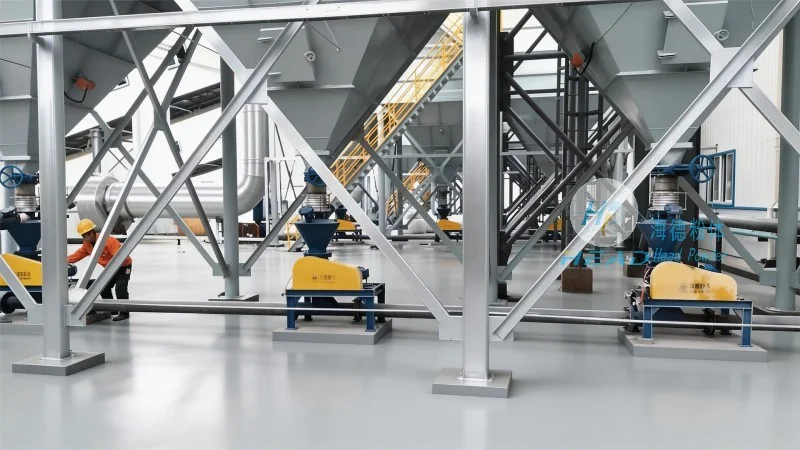
The material feed hopper is designed to store and feed the calcium lime powder into the system. It often includes a feeder mechanism, such as a rotary valve or a screw feeder, to control the flow rate of the powder. This ensures a consistent and controlled feed, preventing blockages and maintaining system stability. The air supply system provides the necessary pressure and volume of air to move the powder through the pipeline. The choice of blower or compressor depends on the system's requirements, including the conveying distance and the material's characteristics. The conveying pipeline is typically made of stainless steel or other corrosion-resistant materials to handle the abrasive nature of the calcium lime powder and prevent material buildup. The pipeline design, including the diameter and length, is critical for maintaining the air-powder mixture's velocity and preventing particle segregation or deposition.