

What is a Monosodium Glutamate Powder Pneumatic Conveying System? And What Are Its Design Principles
Monosodium glutamate (MSG) is a widely used flavor enhancer in the food industry, and efficient handling of its powder form is crucial for production processes. A monosodium glutamate powder pneumatic conveying system is a specialized equipment solution designed to transport MSG powder from storage to processing units with precision and reliability. This article explores the fundamental aspects of such systems, focusing on their design principles and operational efficiency.
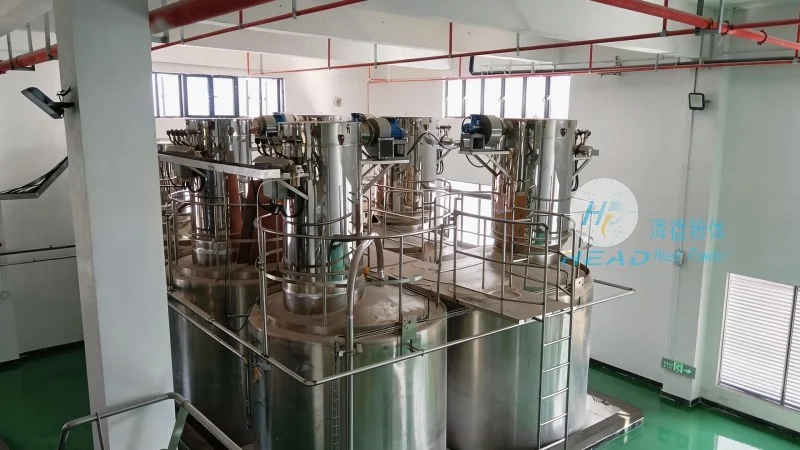
Understanding Pneumatic Conveying Systems for MSG Powder
Pneumatic conveying systems utilize air or other gases to transport bulk materials like MSG powder through a network of pipes and components. These systems are particularly advantageous for MSG powder due to its hygroscopic nature and the need for contamination-free handling. The primary goal is to ensure that the powder is moved without degradation, caking, or loss of quality during transit. The system typically includes a hopper for material storage, a conveyor line with appropriate valves and filters, and a receiving hopper or processing unit. The design must account for the powder's flow characteristics, such as its density, particle size, and cohesive properties, to maintain consistent and smooth transport.
Key Design Principles of the System
The design of a monosodium glutamate powder pneumatic conveying system is governed by several critical principles to ensure optimal performance. First, the system must be capable of handling the specific physical properties of MSG powder. This includes considerations like the powder's bulk density, which affects the air velocity required for transport, and its tendency to agglomerate, which may necessitate the use of air classifiers or deagglomeration devices. Second, the system must maintain a sterile and hygienic environment, as MSG is used in food applications where contamination is unacceptable. This is achieved through the use of stainless steel components, proper sealing, and filtration systems that remove dust and particulate matter from the air stream. Third, energy efficiency is a key design consideration. The system should operate with minimal air pressure and energy consumption while still achieving the required conveying capacity. This involves selecting the appropriate air compressor, pipeline diameter, and conveying velocity to balance performance and cost.
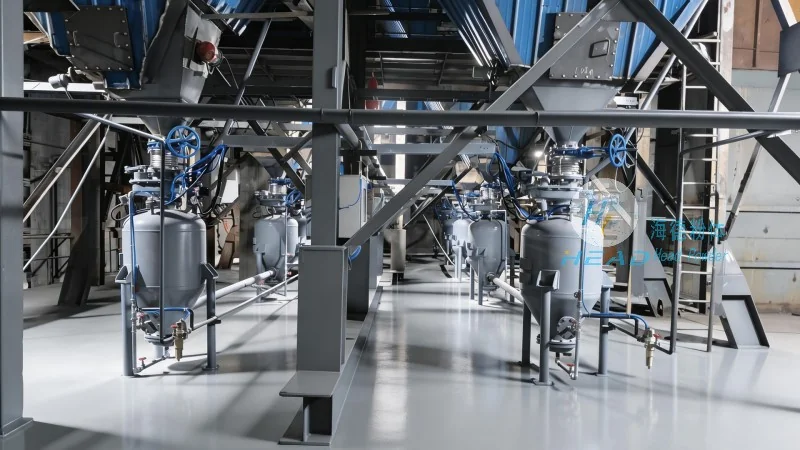
Components and Operational Mechanism
A typical monosodium glutamate powder pneumatic conveying system consists of several interconnected components. The process begins with the material being fed from a storage silo or hopper into a feeder, which controls the flow rate of the powder. The feeder then transfers the powder into a conveying line, where it is mixed with compressed air. The air-powder mixture travels through the pipeline to the receiving hopper or processing equipment. At the receiving end, a separator or filter removes the air from the powder, allowing the MSG to be collected in the hopper. The air, now containing any residual dust, is then filtered and recycled back to the system or vented to the atmosphere, depending on the system's design and regulatory requirements. The entire process is automated, with sensors and controls monitoring parameters such as pressure, flow rate, and temperature to ensure consistent operation.
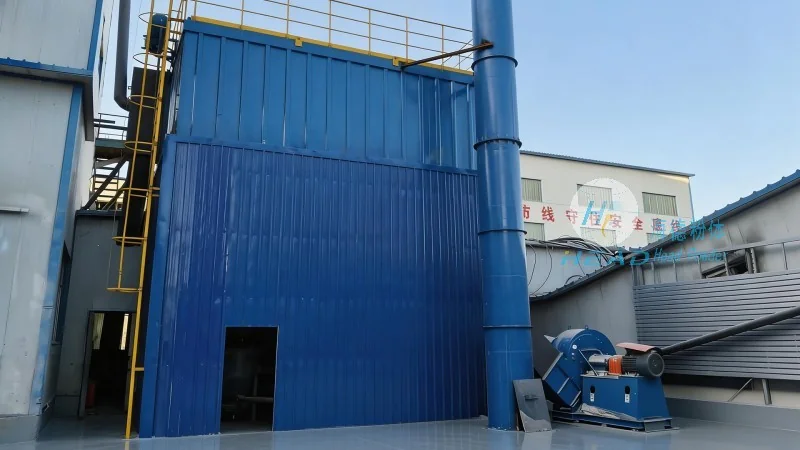
Advantages of Using Pneumatic Conveying for MSG Powder
Implementing a pneumatic conveying system for monosodium glutamate powder offers several advantages over traditional methods like bucket elevators or belt conveyors. One of the most significant benefits is the ability to transport the powder in a closed system, which prevents contamination from external sources and minimizes dust emissions. This is particularly important in food processing environments where hygiene is paramount. Additionally, pneumatic conveying systems can handle materials with varying flow characteristics, including cohesive or fine powders like MSG, without the risk of blockages or clogging that may occur with other equipment. The system also provides flexibility in terms of layout, as the conveying lines can be arranged in various configurations to accommodate different plant layouts and production requirements. Furthermore, the closed system design reduces the need for manual handling, enhancing worker safety and reducing the risk of product exposure.
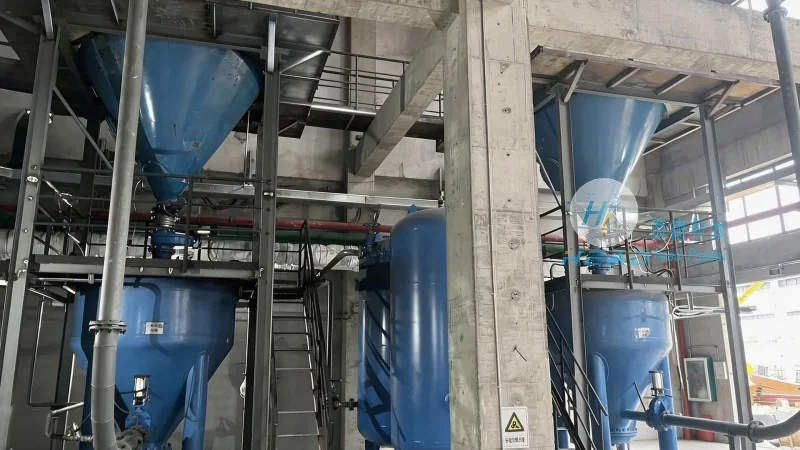
Considerations for System Integration and Maintenance
When integrating a monosodium glutamate powder pneumatic conveying system into a production facility, several factors must be considered to ensure long-term reliability and efficiency. First, the system must be designed to meet the specific production capacity requirements, as the conveying rate is directly related to the air flow and pipeline dimensions. The system should be scalable to accommodate future expansion or changes in production volume. Second, regular maintenance is essential to prevent system downtime and ensure consistent performance. This includes cleaning and inspecting components such as filters, valves, and pipelines to remove accumulated powder or debris. The use of high-quality, corrosion-resistant materials like stainless steel is critical to maintain the system's integrity over time, especially in environments where the powder may be acidic or corrosive. Additionally, the system should be equipped with monitoring and alarm systems to detect any issues, such as pressure drops or abnormal flow rates, allowing for timely intervention and maintenance.
About Shandong HeadPowder Engineering Co., Ltd.
Shandong HeadPowder Engineering Co., Ltd. is a leading manufacturer and supplier of specialized engineering solutions for the food and chemical industries. With a focus on innovation and quality, the company provides comprehensive services including system design, manufacturing, installation, and maintenance for pneumatic conveying systems and other processing equipment. HeadPowder Engineering is committed to delivering reliable and efficient solutions that meet the unique needs of its clients, ensuring optimal performance and safety in food processing applications. The company's headquarters is located in Shandong, China, where it leverages advanced technology and expertise to develop cutting-edge equipment for the industry.