Tote bag broken bag material conveying is a specialized industrial process designed to handle bulk materials that are initially contained within large, flexible tote bags or bulk bags. These bags are often used for transporting and storing materials like powders, granules, or other bulk commodities. The process involves breaking open the tote bags and transferring the contents into a conveying system, such as a screw conveyor, belt conveyor, or pneumatic system, for further processing or distribution. This method is crucial in industries where large volumes of bulk materials need to be efficiently handled without manual intervention. This process is a core offering from Shandong HeadPowder Engineering Co., Ltd., a leading manufacturer of bulk material handling solutions based in China.
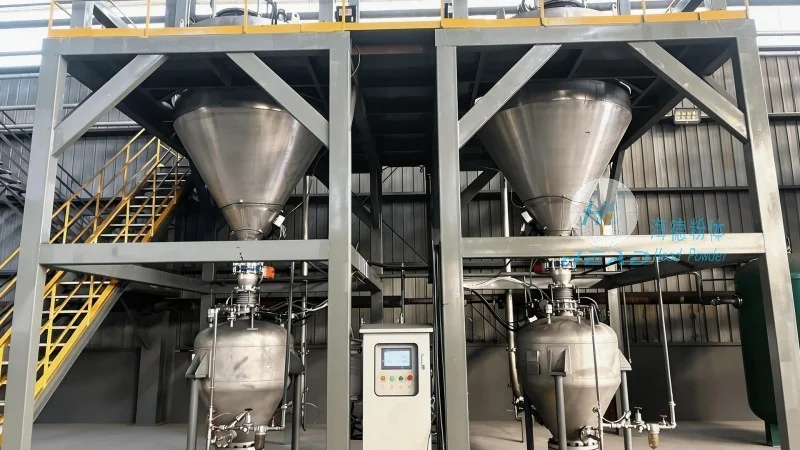
Understanding the Tote Bag Conveying Process
The tote bag conveying process typically begins with the arrival of the tote bags at the facility. These bags are often heavy and may contain a wide range of materials, from fine powders to coarse granules. The first step is to position the tote bags on a suitable platform or loading area. This is often done using forklifts or specialized loading equipment to ensure the bags are securely placed and aligned for the next steps.
Once the tote bags are properly positioned, the next step is to open them. This can be done manually or with automated equipment. Manual opening involves workers using tools like scissors or specialized cutters to break the bag open. However, for large-scale operations, automated systems are preferred. These systems may include hydraulic or mechanical cutters that can quickly and safely open the tote bags without damaging the material inside. The opening mechanism is designed to minimize material loss and ensure a clean break, which is essential for maintaining the quality of the product.
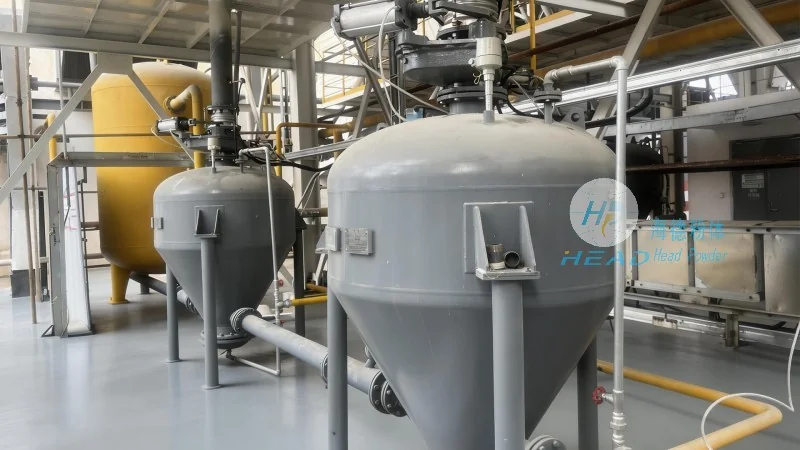
Conveying Systems for Tote Bag Contents
After the tote bags are opened, the material inside is transferred into a conveying system. The choice of conveying system depends on the properties of the material, such as its size, density, and flowability. For example, screw conveyors are commonly used for granular or powdery materials that can be easily moved through a rotating screw. Belt conveyors are suitable for larger particles or materials that need to be transported over longer distances. Pneumatic conveying systems, on the other hand, use air pressure to move the material through a pipeline, which is ideal for fine powders that are prone to dust and require a dust-free environment.
The conveying system is designed to handle the material efficiently and safely. It may include components like hoppers, feeders, and control systems to regulate the flow of material. The system is also equipped with safety features to prevent accidents, such as overload protection and emergency stop buttons. These features ensure that the conveying process is carried out in a controlled manner, minimizing the risk of material spillage or equipment damage.
Design Principles of Tote Bag Conveying Systems
The design of a tote bag conveying system is based on several key principles to ensure efficiency, safety, and durability. First, the system must be able to handle the weight and volume of the tote bags without causing excessive strain on the equipment. This requires careful consideration of the load capacity of the conveyor and the supporting structures. Second, the system must be able to handle a wide range of materials, from fine powders to coarse granules, without causing blockages or damage to the material.
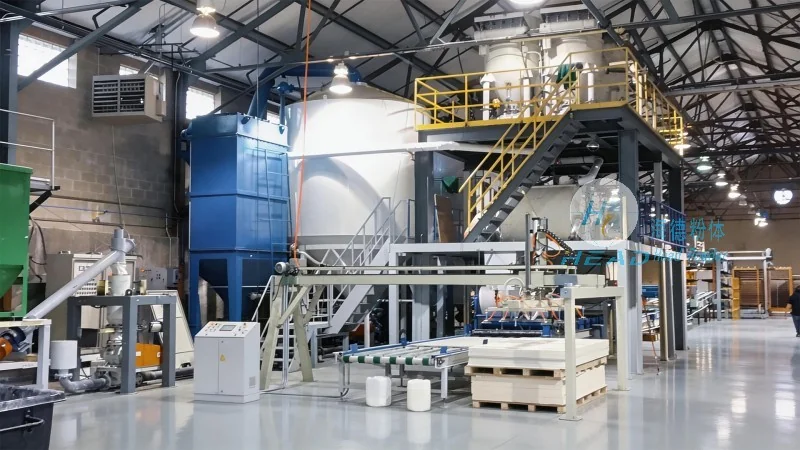
Third, the system must be designed for easy maintenance and cleaning. This is important because the material being handled may be abrasive or sticky, which can cause wear and tear on the equipment. The design should include features like easy access to components for cleaning and maintenance, as well as protective coatings to prevent corrosion. Fourth, the system must be energy-efficient. This is achieved by using high-efficiency motors and optimizing the conveyor speed to match the material flow rate.
Key Components and Their Functions
A typical tote bag conveying system consists of several key components, each with a specific function. The loading platform is where the tote bags are placed and opened. The opening mechanism, as mentioned earlier, is used to break the bag open and release the material. The hopper is a container that collects the material from the tote bags and feeds it into the conveying system. The feeder is a device that regulates the flow of material from the hopper into the conveyor. The conveyor itself is the main component that transports the material to the next stage of processing. Finally, the discharge system is used to release the material from the conveyor into a storage bin or processing unit.
Advantages of Tote Bag Conveying
There are several advantages to using tote bag conveying systems. First, they are highly efficient, as they can handle large volumes of material in a short amount of time. This reduces the time and labor required for material handling, which can lead to cost savings. Second, they are safe, as they minimize the risk of manual handling of heavy tote bags and prevent material spillage. Third, they are versatile, as they can handle a wide range of materials and can be adapted to different production needs. Fourth, they are durable, as they are designed to withstand the rigors of industrial use and require minimal maintenance.
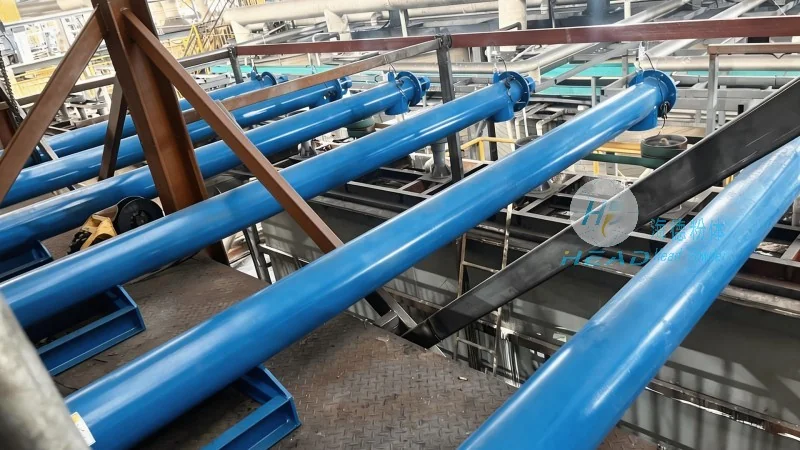
Applications in Different Industries
Tote bag conveying systems are used in a variety of industries, including food processing, pharmaceuticals, chemicals, and mining. In the food industry, for example, tote bag conveying is used to handle ingredients like flour, sugar, and spices. In the pharmaceutical industry, it is used to handle active ingredients and other raw materials. In the chemical industry, it is used to handle bulk chemicals and other hazardous materials. In the mining industry, it is used to handle minerals and other raw materials extracted from the earth.
Conclusion
Tote bag broken bag material conveying is a critical process in many industrial applications. It allows for the efficient and safe handling of bulk materials that are initially contained in tote bags. The design of these systems is based on several key principles, including efficiency, safety, and durability. By using the right conveying system and components, industries can improve their material handling processes and reduce costs. As technology continues to advance, we can expect to see more sophisticated and efficient tote bag conveying systems that will further enhance the efficiency of industrial operations. Shandong HeadPowder Engineering Co., Ltd. continues to innovate in this field, providing high-quality solutions for bulk material handling needs worldwide.




