Steel grit material handling systems are specialized equipment designed to transport and manage steel grit, a crucial abrasive material used in various industrial applications. These systems are engineered to ensure efficient, safe, and reliable movement of steel grit from storage to processing or application points. Understanding the components and design principles of such systems is essential for optimizing industrial operations and maintaining productivity.

Introduction to Steel Grit Material Handling Systems
Steel grit, also known as steel shot or steel abrasives, is a high-strength, angular material produced by grinding steel. It is widely used in surface treatment processes like shot blasting, where it removes rust, scale, and imperfections from metal surfaces. The efficiency of steel grit handling directly impacts the quality and speed of these processes. A well-designed material handling system ensures that steel grit is stored, transported, and dispensed without loss or degradation, maintaining its abrasive properties and extending its service life.
Key Components of a Steel Grit Material Handling System
The core components of a steel grit material handling system typically include storage silos or hoppers, feeding mechanisms, conveying systems (such as screw conveyors, pneumatic conveyors, or belt conveyors), and control systems. Each component plays a critical role in the overall functionality of the system.
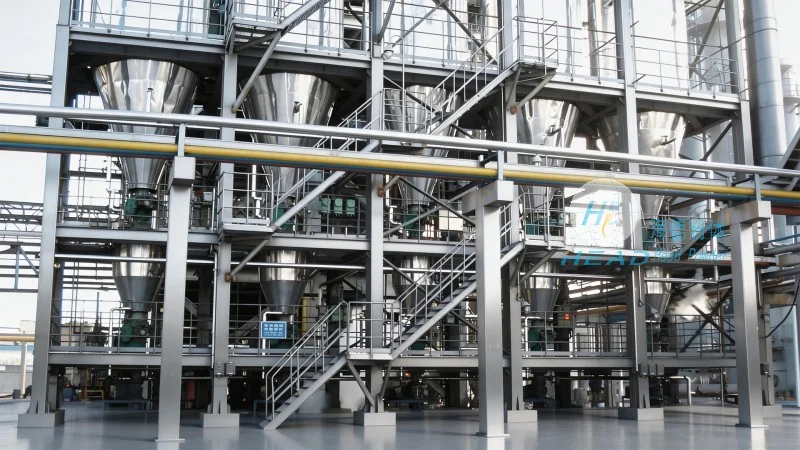
Storage silos are designed to hold large quantities of steel grit, often with features like airtight seals to prevent moisture absorption and contamination. Feeding mechanisms, such as rotary valves or vibratory feeders, regulate the flow of steel grit from the storage area to the conveying system. Conveying systems transport the steel grit to the processing equipment, with options tailored to the specific requirements of the application—such as screw conveyors for horizontal or slight incline transport, or pneumatic conveyors for longer distances or vertical movement.
Design Principles for Efficient Material Handling
The design of a steel grit material handling system follows several key principles to ensure optimal performance and durability. First, the system must be robust enough to handle the abrasive nature of steel grit, which can cause wear on components over time. Materials used in the construction of hoppers, conveyors, and other parts are typically selected for their high wear resistance, such as stainless steel or specialized alloys.
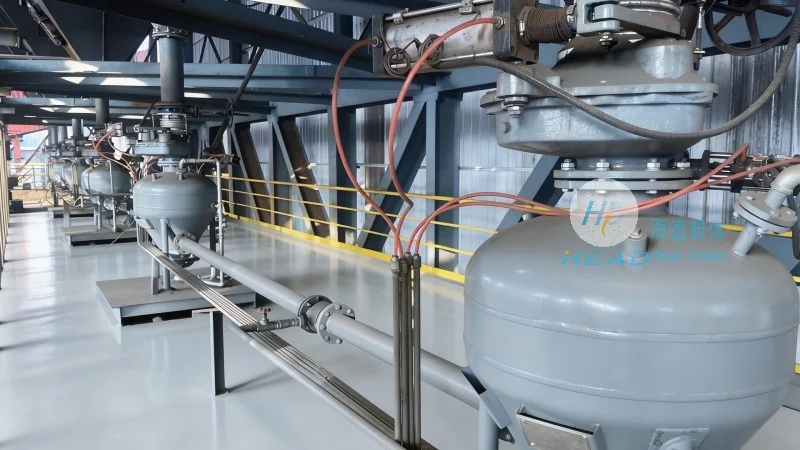
Second, the system must minimize material degradation and loss. This involves using smooth, non-abrasive surfaces in the storage and conveying areas to prevent the steel grit from breaking down or adhering to surfaces. Additionally, proper sealing and dust control measures are implemented to maintain the quality of the steel grit and ensure a clean working environment.
Third, the system should be designed for easy maintenance and operation. This includes features like accessible inspection points, easy-to-clean components, and user-friendly control interfaces. Regular maintenance is crucial to prevent downtime and ensure the system operates at peak efficiency.
Applications and Benefits of Steel Grit Material Handling Systems
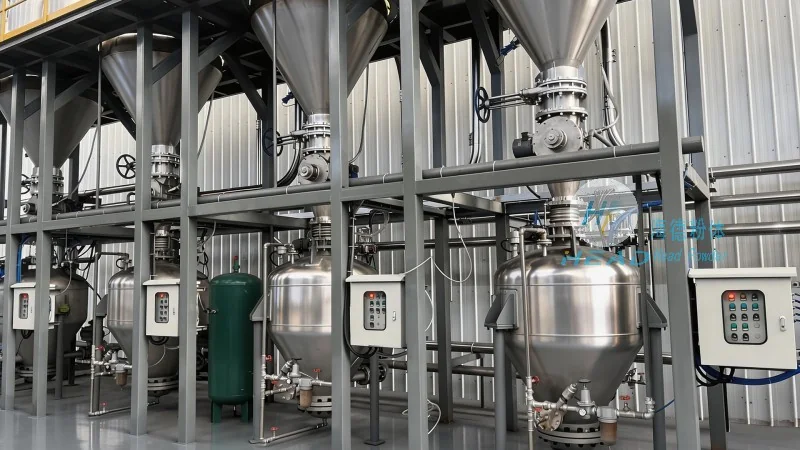
Steel grit material handling systems are used in a variety of industrial settings, including automotive manufacturing, aerospace, and construction. In automotive plants, for example, these systems are used to prepare metal parts for painting and coating, ensuring a smooth surface finish. The benefits of using a well-designed system include increased productivity, reduced material waste, and improved worker safety by minimizing manual handling of abrasive materials.
By adhering to the design principles outlined above, manufacturers can develop systems that not only meet the specific needs of their applications but also enhance overall operational efficiency. The integration of advanced materials and engineering techniques ensures that steel grit material handling systems remain reliable and effective in demanding industrial environments.




