High-pressure pneumatic conveying systems are advanced industrial solutions designed to transport bulk materials efficiently and reliably through a pipeline using compressed air or other gases. These systems are widely used in various industries, including food processing, pharmaceuticals, chemicals, and mining, due to their ability to handle a wide range of materials with minimal product degradation. The core of such a system lies in its design principles, which ensure optimal performance, energy efficiency, and safety.
Understanding High-Pressure Pneumatic Conveying Systems
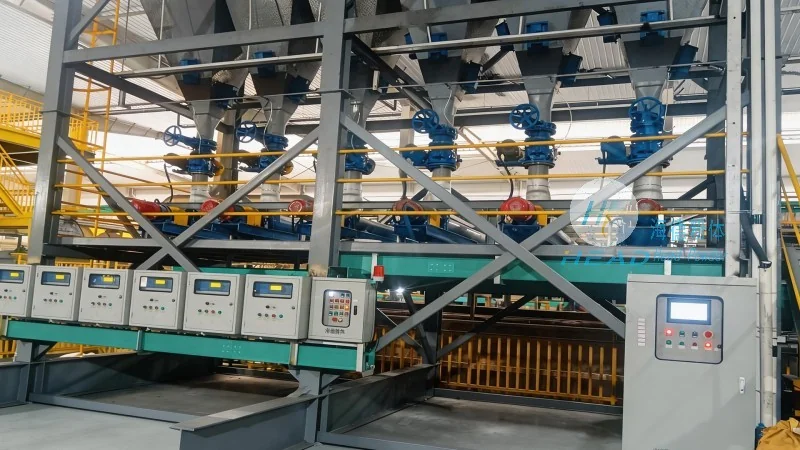
A high-pressure pneumatic conveying system operates by creating a high-pressure environment within the conveying line, typically using air compressors to generate pressures ranging from 5 to 15 bar. This high pressure propels the material through the pipeline, often in a dense phase or dilute phase, depending on the system configuration and material characteristics. The system consists of several key components, including a material feeder, a pressure vessel or hopper, a conveying line, and a receiver or discharge point. Each component plays a crucial role in the overall functionality of the system.
Key Design Principles of High-Pressure Pneumatic Conveying Systems
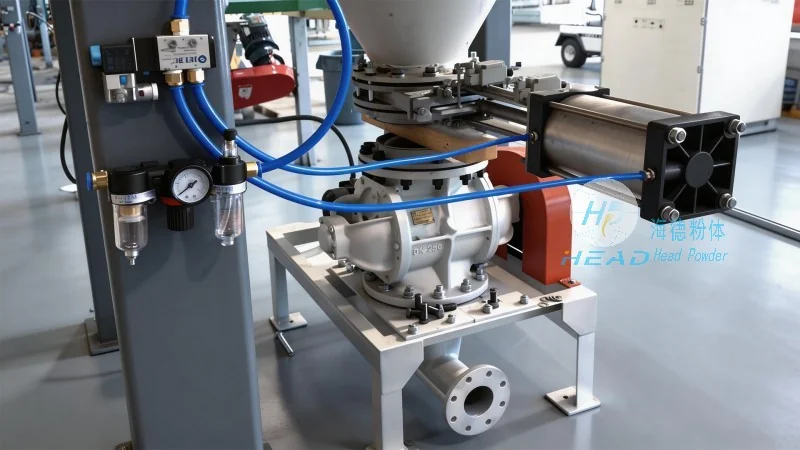
The design of a high-pressure pneumatic conveying system is based on several fundamental principles to ensure effective material transport. First, the system must be designed to handle the specific properties of the material being conveyed, such as particle size, density, and flowability. This involves selecting appropriate equipment, such as rotary valves or screw feeders, to ensure consistent material feed. Second, the pressure and flow rate must be optimized to maintain a stable conveying condition, preventing issues like blockages or excessive pressure drops. Third, the system must incorporate safety features, including pressure relief valves and explosion-proof components, to protect against potential hazards. Additionally, energy efficiency is a critical design consideration, with systems often incorporating variable frequency drives (VFDs) to adjust air flow and pressure as needed.
Components and Their Functions in a High-Pressure Pneumatic Conveying System
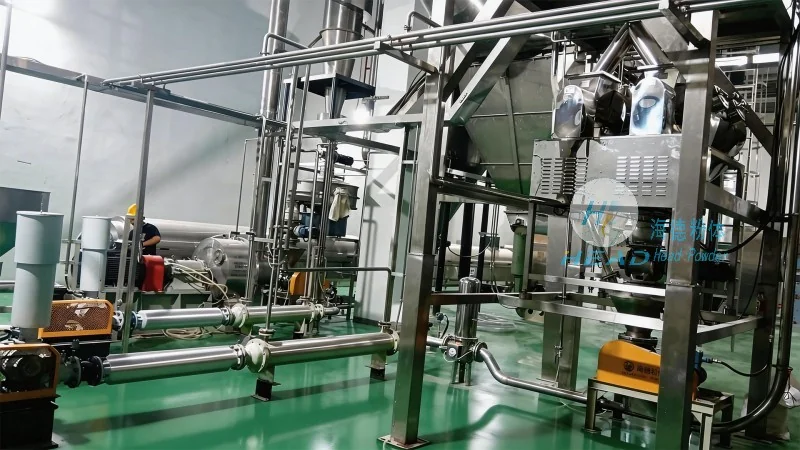
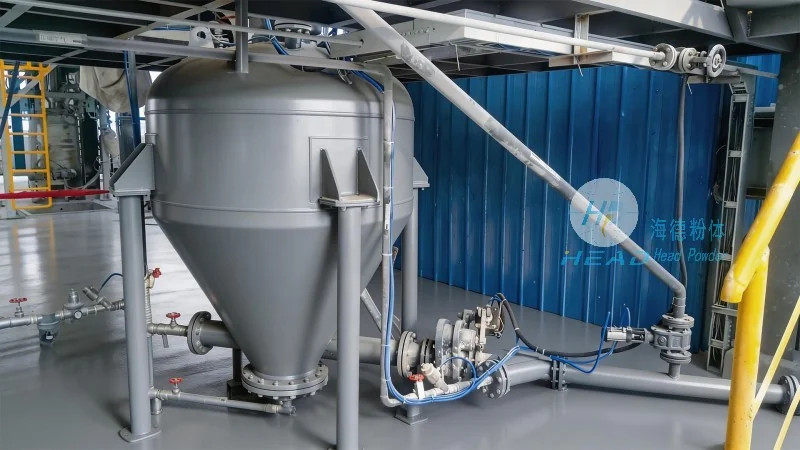
The effectiveness of a high-pressure pneumatic conveying system depends on the proper integration of its components. The material feeder is responsible for introducing the bulk material into the system, ensuring a consistent flow rate. The pressure vessel or hopper acts as a storage and feeding unit, maintaining a steady supply of material to the conveying line. The conveying line, typically made of stainless steel or other corrosion-resistant materials, transports the material under high pressure. The receiver or discharge point collects the material at the end of the pipeline, often equipped with a dust collection system to prevent contamination. Each component must be carefully selected and sized to match the specific requirements of the application, ensuring optimal performance and reliability.
Applications and Benefits of High-Pressure Pneumatic Conveying Systems
High-pressure pneumatic conveying systems are used in a variety of applications across different industries. In the food and pharmaceutical industries, these systems are ideal for transporting sensitive materials, as they minimize product contamination and degradation. In the chemical industry, they can handle corrosive or hazardous materials safely and efficiently. In mining and minerals processing, they are used to transport raw materials from processing plants to storage facilities. The benefits of these systems include improved process efficiency, reduced labor costs, and enhanced safety compared to traditional methods like manual handling or mechanical conveyors. Additionally, high-pressure systems can handle long distances and multiple transfer points, making them suitable for complex material handling requirements.
Conclusion and Company Overview
High-pressure pneumatic conveying systems represent a sophisticated and efficient solution for bulk material transport, with their design principles focused on performance, safety, and energy efficiency. The proper design and implementation of these systems are critical to achieving optimal results in industrial applications. As a leading provider in this field, Shandong HeadPowder Engineering Co., Ltd. specializes in designing and manufacturing high-quality high-pressure pneumatic conveying systems tailored to the specific needs of various industries. With a commitment to innovation and customer satisfaction, HeadPowder delivers reliable and efficient solutions that enhance operational performance and reduce costs for its clients. Based in Shandong, China, the company leverages its expertise and advanced technology to meet the diverse demands of the global market.




