Introduction to the Principle of Small Stone Pneumatic Conveying System
Company Profile
Headpowder, or Shandong HeadPowder Engineering Co., Ltd., is a professional manufacturer and supplier of pneumatic conveying systems. The company is headquartered in Shandong, China, and specializes in designing, manufacturing, and installing efficient and reliable pneumatic conveying solutions for various industries. With years of experience in the field, Headpowder has established itself as a trusted partner for businesses seeking to improve their material handling processes.
Understanding Pneumatic Conveying Systems
Pneumatic conveying systems are a type of material handling equipment that uses air pressure to transport bulk materials such as small stones, powders, and granules through a pipeline. The principle behind this technology is to create a flow of air that moves the material from the source to the destination. This method is particularly effective for materials that are difficult to handle with traditional methods like belt conveyors or bucket elevators.
Key Components of the Small Stone Pneumatic Conveying System
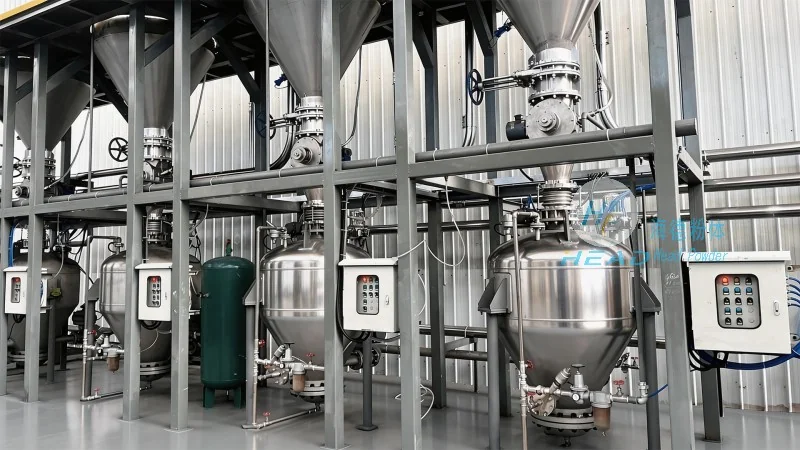
The small stone pneumatic conveying system consists of several essential components that work together to ensure efficient material transport. The primary components include a material hopper for storage, a feeder to control the flow rate of the material, a conveying pipeline, an air compressor to generate the necessary pressure, and a receiver for the discharged material. Each component plays a critical role in the overall performance of the system. The hopper is designed to hold a sufficient quantity of small stones, ensuring a continuous supply to the feeder. The feeder regulates the amount of material entering the pipeline, preventing overloading and maintaining a steady flow. The conveying pipeline is typically made of durable materials like stainless steel or plastic to withstand the pressure and abrasion from the small stones. The air compressor provides the high-pressure air that drives the material through the pipeline. Finally, the receiver collects the material as it is discharged from the pipeline, separating it from the air and preparing it for further processing.
How the System Works
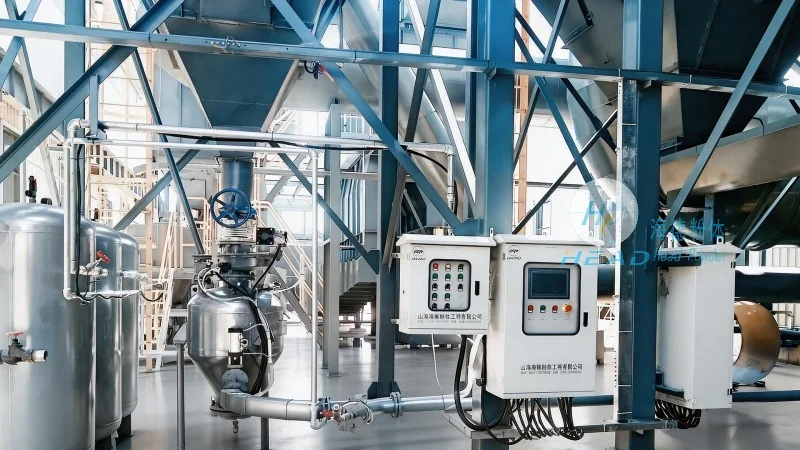
The operation of the small stone pneumatic conveying system begins with the loading of small stones into the material hopper. The feeder then controls the flow of material, releasing it into the conveying pipeline at a controlled rate. The air compressor generates high-pressure air, which is introduced into the pipeline at the hopper end. As the air flows through the pipeline, it creates a vacuum or pressure differential that pulls the small stones along with it. The material and air mixture travels through the pipeline to the receiver, where the material is separated from the air. The air is then filtered and recycled back into the system, while the small stones are collected in the receiver. This closed-loop system minimizes waste and ensures energy efficiency.
Advantages of Using Pneumatic Conveying for Small Stones
There are several key advantages to utilizing a pneumatic conveying system for small stones. First, it offers a continuous and automated material handling process, which reduces labor costs and increases productivity. Second, the system is highly flexible and can be adapted to different layouts and distances, making it suitable for various industrial applications. Third, it is a closed system, which helps to prevent dust and contamination, making it ideal for applications where hygiene is critical, such as in the food and pharmaceutical industries. Fourth, the system is energy-efficient compared to traditional methods like belt conveyors, as it uses less energy to transport the same amount of material over longer distances. Finally, the system is relatively low-maintenance, with fewer moving parts compared to other material handling equipment.
Applications in Different Industries
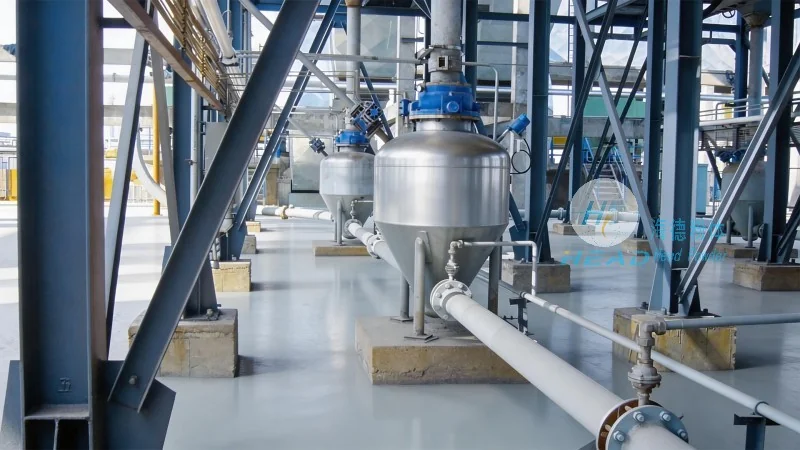
The small stone pneumatic conveying system is widely used in various industries due to its versatility and efficiency. In the mining industry, it is used to transport crushed stones from the mine to processing facilities, where they are further processed into aggregates. In the construction industry, it is used to move aggregates from storage silos to concrete mixing plants, ensuring a consistent supply of materials. In the food industry, it is used to transport grains, cereals, and other bulk food products, maintaining the quality and hygiene of the products. Additionally, it is used in the chemical and pharmaceutical industries to transport powders and granules, where contamination control is paramount.
Maintenance and Safety Considerations
Maintenance is crucial for ensuring the longevity and optimal performance of the small stone pneumatic conveying system. Regular maintenance tasks include checking the air compressor for proper operation, inspecting the conveying pipeline for leaks or damage, and cleaning the receiver and filters to prevent clogging. The feeder and hopper should also be checked for material buildup or blockages. Safety is another important aspect of operating the system. The system operates under high pressure, and proper safety measures must be followed to prevent accidents. Operators should be trained on the proper use of the equipment and should wear appropriate personal protective equipment (PPE) when working with the system. Regular safety inspections should also be conducted to identify and address any potential hazards.
Conclusion
The small stone pneumatic conveying system is an efficient and reliable solution for transporting bulk materials. By leveraging the principles of pneumatic conveying, this system offers numerous advantages over traditional material handling methods. With its ability to handle various materials, adapt to different applications, and maintain a high level of efficiency, it is a valuable asset for businesses in industries such as mining, construction, and food processing. By understanding the components and operation of the system, users can optimize its performance and ensure its long-term reliability. Headpowder, as a leading manufacturer in this field, provides high-quality pneumatic conveying systems that meet the needs of various industries, helping businesses improve their material handling processes and increase productivity.




