Titanium dioxide, a vital white pigment utilized across industries including coatings, plastics, and paper, often requires efficient material handling solutions. The pneumatic conveying system has become a preferred method for transporting titanium dioxide due to its advantages in safety, cleanliness, and operational flexibility. This article explores the fundamental principles of such systems, detailing how they function and the key components involved in the process.
Core Components and Their Functions
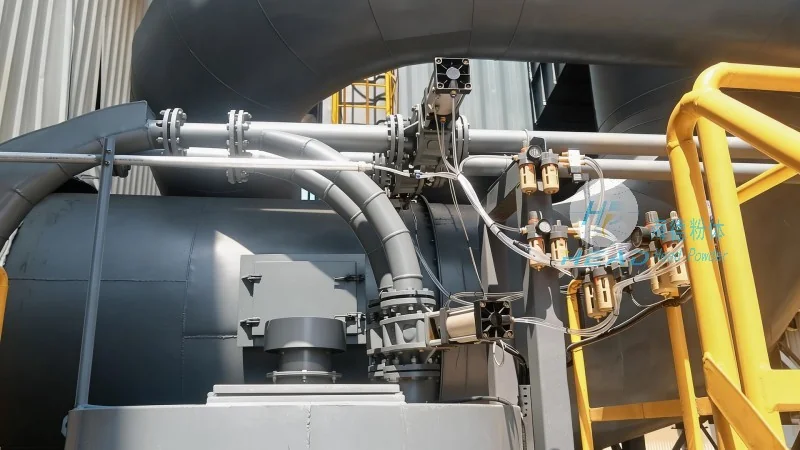
The pneumatic conveying system for titanium dioxide typically comprises several essential components that work in unison to ensure smooth material transport. The primary components include the material hopper, the air compressor, the conveying line, and the receiver. The material hopper serves as the storage and feeding unit, where titanium dioxide is stored before being fed into the system. The air compressor generates the necessary air pressure to create the conveying airflow. The conveying line, often constructed from stainless steel or other corrosion-resistant materials, transports the material particles along with the air stream. Finally, the receiver collects the conveyed titanium dioxide, separating it from the air.
Working Principle of Pneumatic Conveying
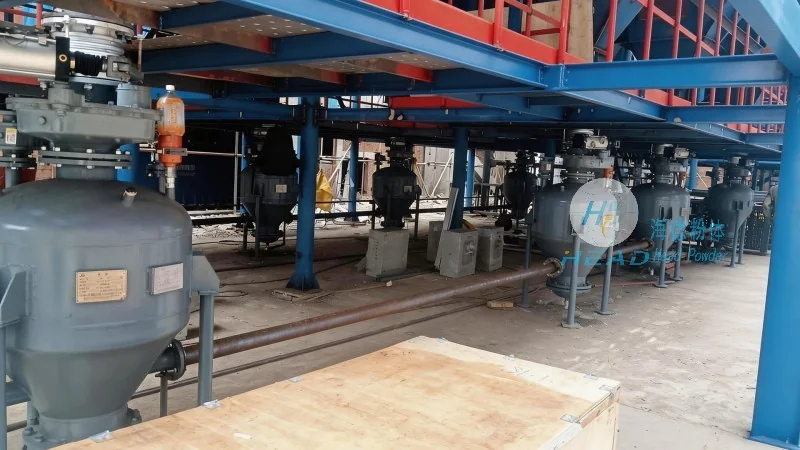
The operation of a pneumatic conveying system for titanium dioxide is based on the principle of air flow and particle suspension. When the air compressor activates, it generates a high-pressure air stream that enters the conveying line. The material from the hopper is then introduced into the air stream, and the air's kinetic energy lifts and transports the titanium dioxide particles. The system can operate in either positive pressure or negative pressure modes. In positive pressure systems, the air pressure exceeds ambient pressure, pushing the material forward. In negative pressure systems, the air is drawn through the line, creating a vacuum that pulls the material. The choice between these modes depends on factors such as the distance to be covered and the material characteristics.
Advantages of Pneumatic Conveying for Titanium Dioxide
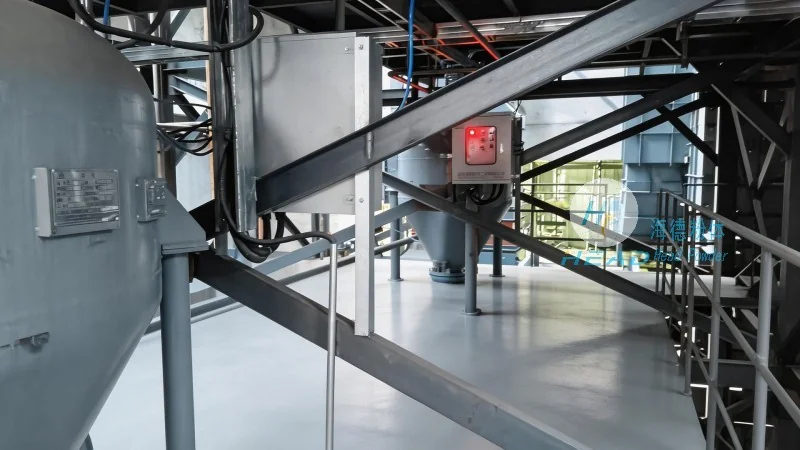
Implementing a pneumatic conveying system for titanium dioxide offers several benefits that make it an attractive solution for industrial applications. Firstly, it provides a clean and dust-free environment, which is critical for maintaining product quality and preventing contamination. Unlike mechanical conveying methods, which may generate dust and require additional filtration, pneumatic systems keep the material enclosed, reducing the risk of exposure to airborne particles. Secondly, the system is highly efficient in terms of space utilization. It can transport materials over long distances with minimal infrastructure, making it suitable for large-scale production facilities. Additionally, pneumatic conveying systems are versatile and can handle various particle sizes and flow rates, adapting to different production needs. The flexibility in system design allows for customization based on specific operational requirements.
Application Examples and Industry Impact
The principles of pneumatic conveying have been successfully applied in the titanium dioxide industry, enhancing production efficiency and product quality. For instance, in large-scale pigment manufacturing plants, these systems are used to transport raw titanium dioxide from storage silos to processing units, ensuring a continuous and uninterrupted supply. The ability to handle high volumes of material at a steady rate contributes to improved production throughput and reduced downtime. Furthermore, the consistent quality of the conveyed material, free from contamination or degradation, meets the stringent standards required by downstream applications such as paint and plastic manufacturing. The reliability of pneumatic conveying systems also minimizes maintenance costs and operational disruptions, contributing to overall operational efficiency.
Conclusion and Company Overview
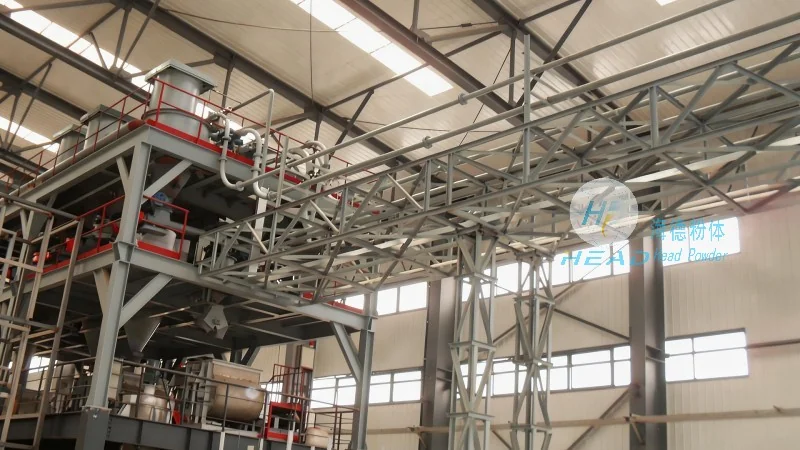
In conclusion, the pneumatic conveying system represents an advanced and effective solution for handling titanium dioxide, leveraging the principles of air flow and particle suspension to achieve efficient material transport. The system's design and operation are tailored to meet the specific needs of the titanium dioxide industry, offering advantages in cleanliness, efficiency, and flexibility. As a leading provider in this field, Shandong HeadPowder Engineering Co., Ltd. specializes in designing and manufacturing customized pneumatic conveying systems that optimize material handling processes for clients. With a focus on quality and innovation, the company ensures that its solutions meet the highest industry standards, supporting the production and distribution of high-quality titanium dioxide products. Based in Shandong, China, HeadPowder continues to advance the technology and application of pneumatic conveying systems, contributing to the growth and success of the titanium dioxide industry worldwide.




