Quartz sand powder, a crucial material in various industrial applications, requires efficient and reliable conveying methods to ensure smooth material handling. The choice of conveying method depends on factors such as material properties, production scale, and operational environment. This article explores several common and effective methods for quartz sand powder conveying, highlighting their advantages and typical applications.
1. Pneumatic Conveying Systems
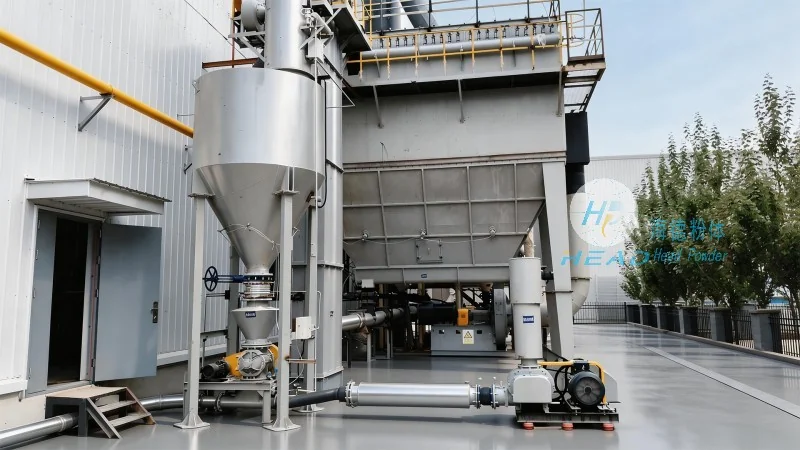
Pneumatic conveying, also known as air conveying, is a widely used method for transporting dry powders like quartz sand. This technique utilizes compressed air to move the material through a pipeline. There are two main types: pressure and vacuum systems. Pressure systems use positive pressure to push the material forward, while vacuum systems use negative pressure to pull it. Pneumatic conveying offers advantages like minimal maintenance, ability to handle fine powders without segregation, and flexibility in system design. For quartz sand powder, which is often fine and abrasive, pressure pneumatic systems are commonly employed due to their efficiency in maintaining material flow and preventing clogging. The system typically includes a hopper, a rotary valve, a conveyor line, and a dust collector. The rotary valve ensures a controlled discharge of the material into the pipeline, while the dust collector captures any airborne particles, ensuring environmental compliance and product purity. Pneumatic conveying is particularly suitable for applications where dust control is critical, such as in food processing or pharmaceutical industries, though it may require higher energy consumption compared to other methods.
2. Screw Conveyors
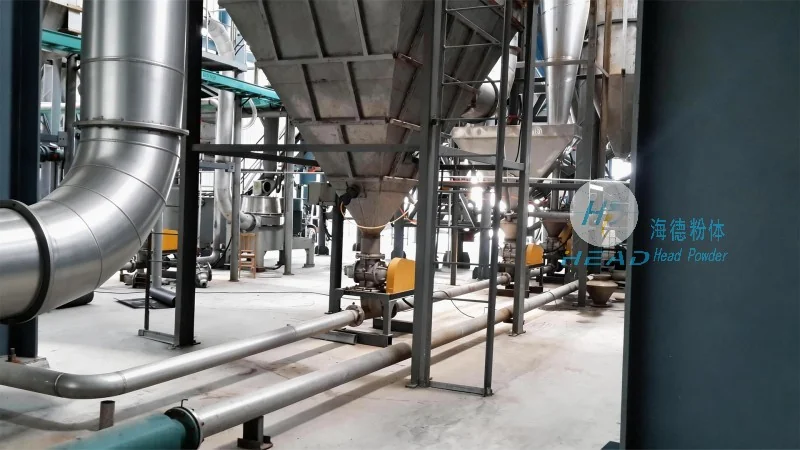
Screw conveyors, also known as auger conveyors, are another effective method for transporting quartz sand powder. These systems consist of a rotating screw (auger) inside a U-shaped or cylindrical trough. The screw rotates, pushing the material forward along the trough. Screw conveyors are suitable for both horizontal and inclined transport, with the angle of inclination affecting the conveying capacity. They are particularly advantageous for handling bulk materials with moderate to high moisture content, as the screw design can help maintain material flow without clogging. For quartz sand powder, which is generally dry and free-flowing, screw conveyors provide a reliable solution, especially in applications where the material needs to be elevated or moved over short to medium distances. The design of the screw (e.g., pitch, diameter) can be customized to match the specific characteristics of the quartz sand, ensuring optimal performance. Screw conveyors are also easy to install and maintain, making them a cost-effective option for many industrial settings. However, they may not be suitable for very fine or highly abrasive powders, as the screw and trough can experience wear over time.
3. Belt Conveyors
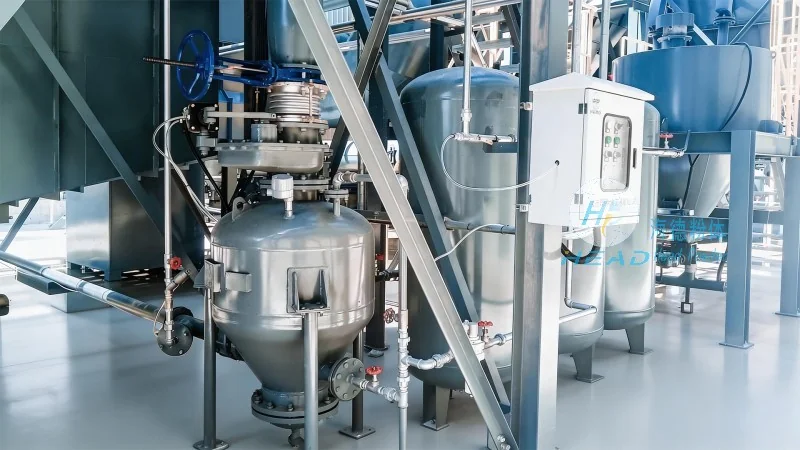
Belt conveyors are a classic and widely adopted method for transporting quartz sand powder, especially in bulk material handling operations. This system uses a continuous belt that moves over rollers or pulleys, carrying the material from one point to another. Belt conveyors are ideal for long-distance transport and can handle large volumes of material efficiently. They are commonly used in mining, construction, and manufacturing industries where quartz sand is processed in large quantities. The belt material is typically chosen based on the material's properties; for quartz sand, a durable rubber or synthetic belt is often used to withstand abrasion and prevent material buildup. The conveyor can be equipped with idlers to support the belt and maintain tension, ensuring smooth operation. Belt conveyors offer high throughput and low maintenance costs, making them a preferred choice for continuous production lines. However, they require a significant amount of space and may not be suitable for very fine powders, as the belt can cause segregation or loss of material due to its open design.
4. Hydraulic Conveying
Hydraulic conveying is a method that uses water or a slurry to transport quartz sand powder. This technique is particularly useful for handling materials that are difficult to convey by other means, such as very fine or cohesive powders. The quartz sand is mixed with water to form a slurry, which is then pumped through a pipeline. The slurry flow is controlled by pumps and valves, ensuring consistent material transport. Hydraulic conveying offers advantages like the ability to handle high concentrations of solids and the reduction of dust generation. However, it requires additional equipment for slurry preparation and separation, as the water must be separated from the material at the end of the process. This method is commonly used in mining operations where the material is transported over long distances or through challenging terrain. For quartz sand, hydraulic conveying can be effective in processing plants where the material is first wet-mixed and then transported to a processing facility. The system includes a slurry tank, pumps, pipelines, and a dewatering unit. The dewatering unit, such as a filter press or centrifuge, separates the water from the sand, recovering the water for reuse and producing a dry product. Hydraulic conveying is suitable for applications where dust control is a major concern, as the material is contained within the slurry, reducing airborne particles. However, it may not be ideal for applications requiring a dry product, as the final separation step adds complexity and cost.
5. Vacuum Conveying
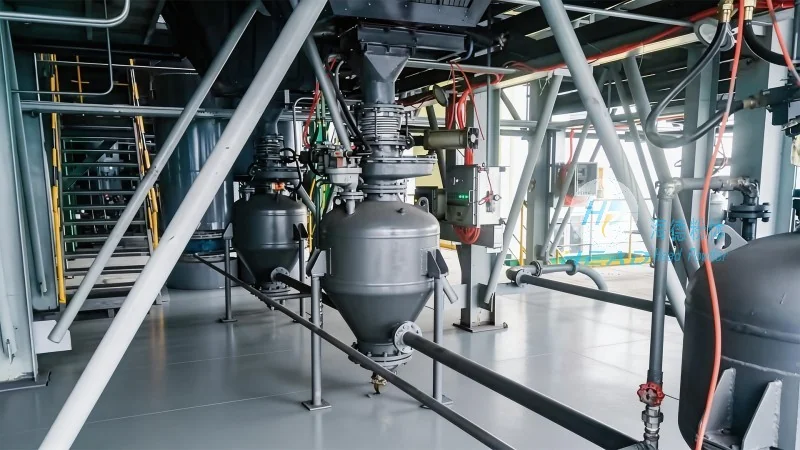
Vacuum conveying, similar to pneumatic conveying but using negative pressure, is another method for transporting quartz sand powder. This technique uses a vacuum pump to create a pressure differential that draws the material into a pipeline. The system typically includes a vacuum receiver, a filter, and a control valve. The material is drawn from a hopper or storage bin into the pipeline, where it is transported to the destination. Vacuum conveying is particularly effective for handling fine powders and can be used for both short and long distances. It offers advantages like low noise levels and the ability to transport materials from multiple sources to a single destination. For quartz sand powder, vacuum conveying is suitable for applications where the material needs to be collected from various points and consolidated into a central location. The system can be designed with multiple inlets, allowing for flexible material collection. Vacuum conveying is also gentle on the material, minimizing particle breakage and preserving the product's quality. However, it may have lower conveying capacity compared to pressure systems and can be affected by the material's moisture content, as high moisture can lead to clogging in the pipeline. The vacuum pump and filter require regular maintenance to ensure efficient operation and prevent material buildup.




