When it comes to the efficient and reliable conveyance of reducing iron powder, selecting the right method is crucial for optimizing industrial processes. The choice of conveyance technique can significantly impact production efficiency, material handling costs, and overall operational safety. This article explores several effective methods that can be employed for reducing iron powder conveyance, providing insights into the technical aspects and practical applications of each approach.
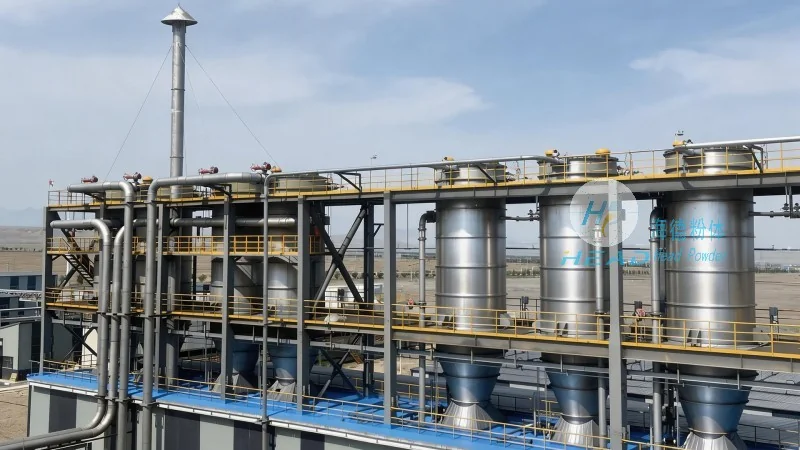
Understanding the Importance of Efficient Iron Powder Conveyance
Efficient conveyance of reducing iron powder is essential in various industrial applications, such as steelmaking, metallurgy, and chemical processing. The ability to move iron powder from storage to processing equipment without loss or degradation is critical for maintaining consistent product quality and minimizing downtime. Different materials have unique properties that influence the selection of conveyance methods, and iron powder, with its fine particle size and potential for static charge, requires specialized handling techniques. By understanding the challenges associated with iron powder conveyance, industries can implement appropriate solutions to enhance operational performance.
Common Methods for Reducing Iron Powder Conveyance
Several methods are commonly used for the conveyance of reducing iron powder, each with its own advantages and limitations. The selection of a method depends on factors such as the volume of material to be handled, the distance between the source and destination, the required speed of conveyance, and the environmental conditions. Key methods include pneumatic conveying, mechanical conveying, and gravity-based systems. Each method is designed to address specific challenges while ensuring the integrity and quality of the iron powder.
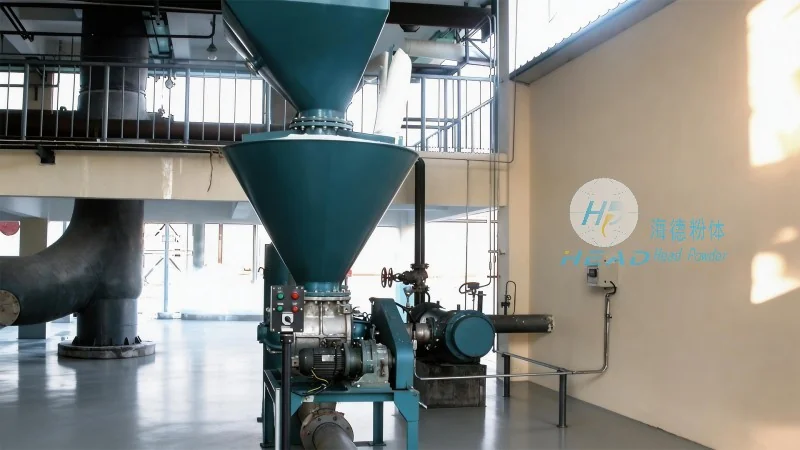
Pneumatic Conveying Systems
Pneumatic conveying is a widely used method for transporting reducing iron powder due to its ability to handle fine powders over relatively long distances. This technique involves the use of air or other gases to move the material through a pipeline. There are two main types of pneumatic conveying systems: pressure and vacuum. Pressure systems use compressed air to push the powder through the pipeline, while vacuum systems use a vacuum to draw the material from the source to the destination. Pneumatic conveying offers advantages such as low maintenance requirements, flexibility in layout, and the ability to handle materials with high moisture content or abrasive properties. However, it may require higher energy consumption and careful control of air pressure to prevent material degradation or blockages.
Mechanical Conveying Equipment
Mechanical conveying systems utilize mechanical components to move reducing iron powder. These systems include screw conveyors, belt conveyors, and bucket elevators. Screw conveyors are particularly effective for handling fine powders as they can transport material through vertical or horizontal paths. The rotating screw pushes the powder along the trough, ensuring consistent flow and preventing material buildup. Belt conveyors are suitable for larger volumes of material and can be used over longer distances. They are often equipped with special belts or liners to prevent material adhesion and ensure smooth movement. Bucket elevators are used for vertical transport, lifting the powder from lower to higher levels. Mechanical conveyors offer advantages such as high capacity, low energy consumption, and the ability to handle abrasive materials. However, they may require regular maintenance to prevent wear and tear on components.
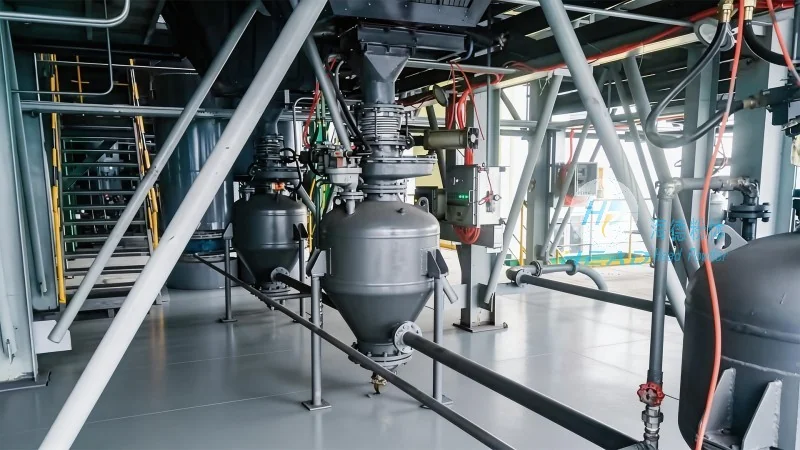
Gravity-Based Conveyance Solutions
Gravity-based conveyance systems rely on the natural force of gravity to move reducing iron powder. These systems typically involve chutes or hoppers that allow the material to flow from a higher to a lower level. The design of the chute is critical to ensure smooth flow and prevent material segregation or blockages. Gravity conveyors are often used in combination with other systems, such as pneumatic or mechanical conveyors, to create a multi-stage transport process. This method is particularly effective for short distances and when the material is free-flowing. Gravity-based systems offer advantages such as low energy consumption and minimal maintenance. However, they are limited by the need for a sufficient vertical drop and may not be suitable for long horizontal distances.
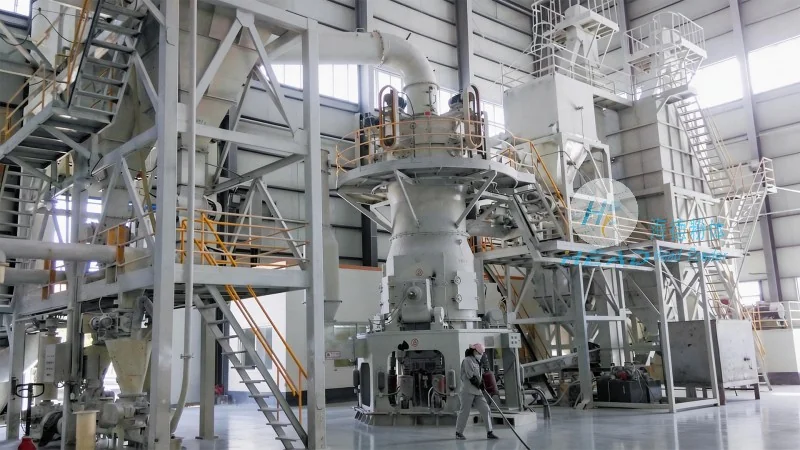
Factors to Consider When Choosing a Conveyance Method
When selecting a method for reducing iron powder conveyance, several factors must be considered to ensure optimal performance. The first factor is the particle size and flow characteristics of the iron powder. Fine particles may require more specialized equipment to prevent clogging or loss. The second factor is the distance and layout of the transport system. Longer distances may necessitate more complex systems, such as pneumatic conveying, while shorter distances can be handled by gravity or mechanical conveyors. The third factor is the required speed and capacity of the conveyance. High-volume applications may require larger equipment, such as belt conveyors or high-capacity pneumatic systems. The fourth factor is the environmental conditions, including temperature, humidity, and dust control. Proper ventilation and dust collection systems are essential to maintain a safe working environment and prevent material contamination. By carefully evaluating these factors, industries can select the most appropriate conveyance method for their specific needs.
Conclusion
In conclusion, the effective conveyance of reducing iron powder is a critical aspect of industrial operations. The choice of method depends on various factors, including material properties, distance, and operational requirements. Pneumatic, mechanical, and gravity-based systems each offer unique advantages and limitations. By understanding these options and considering the specific needs of the application, industries can implement efficient and reliable conveyance solutions. The company, Shandong HeadPowder Engineering Co., Ltd., specializes in providing advanced solutions for iron powder handling and conveyance, ensuring that clients can achieve optimal performance and safety in their operations. With a focus on innovation and quality, HeadPowder continues to deliver cutting-edge technologies that meet the evolving needs of the industry.




