When it comes to the efficient and reliable transport of aluminum oxide powder, selecting the right conveying method is crucial for maintaining product quality, minimizing downtime, and optimizing operational costs. As a leading provider in the field, Shandong HeadPowder Engineering Co., Ltd. specializes in delivering tailored solutions that address the unique challenges of aluminum oxide powder handling. This article explores the various methods available for aluminum oxide powder conveying, offering insights into the factors that influence the choice of system and the benefits each approach provides.
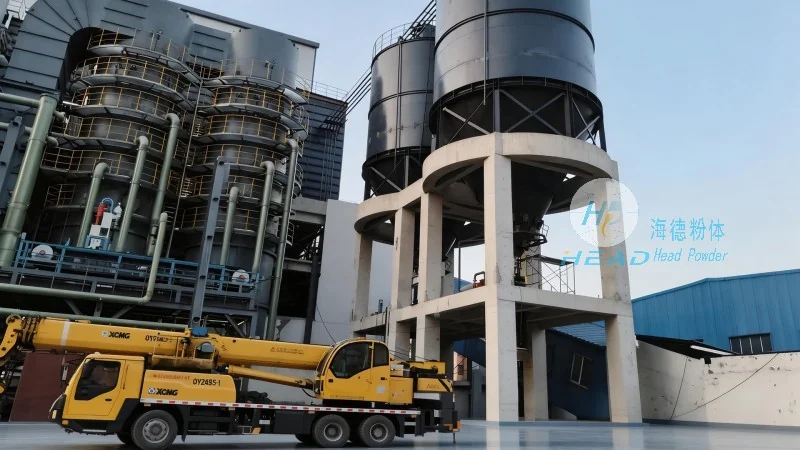
Understanding Aluminum Oxide Powder and Conveying Requirements
Aluminum oxide, also known as alumina, is a widely used industrial material with applications ranging from refractory materials and abrasives to catalysts and electronic components. Its fine particle size and abrasive nature make it particularly challenging to handle compared to other bulk materials. Conveying aluminum oxide powder requires systems that can handle high volumes, maintain particle integrity, and prevent clogging or degradation. The choice of conveying method depends on several factors, including the particle size distribution, moisture content, flowability, and the distance over which the material needs to be transported. Additionally, considerations such as environmental regulations, space constraints, and the need for dust control are critical in determining the most suitable conveying solution.
Common Conveying Methods for Aluminum Oxide Powder
Several conveying methods are commonly employed for aluminum oxide powder, each with its own advantages and limitations. The primary methods include pneumatic conveying, screw conveyors, belt conveyors, and bucket elevators. Each system is designed to address specific operational needs and material characteristics.
Pneumatic Conveying Systems
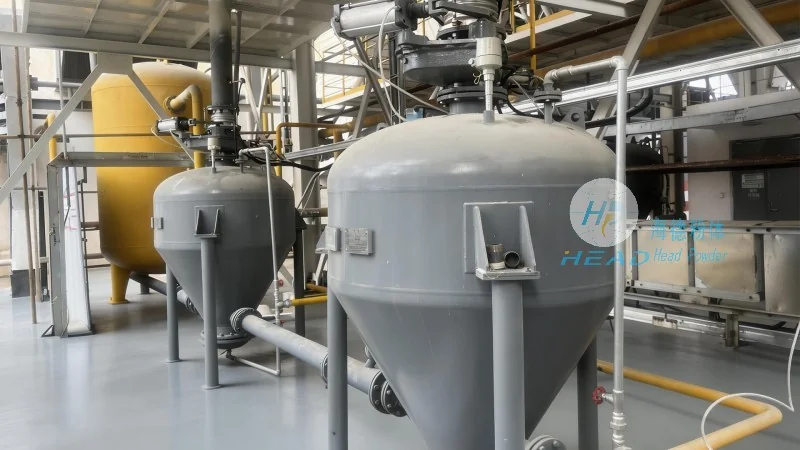
Pneumatic conveying, or air-based transport, is one of the most popular methods for aluminum oxide powder due to its ability to handle fine powders over long distances with minimal product degradation. This method uses compressed air to move the powder through a pipeline. There are two main types of pneumatic conveying systems: pressure and vacuum. Pressure systems use positive pressure to push the material through the line, while vacuum systems use negative pressure to pull the material. For aluminum oxide powder, pressure systems are often preferred as they can handle higher material loads and are more efficient for long-distance transport. The system typically consists of a hopper, a feeder, a pipeline, and a receiver. The feeder controls the flow of powder into the pipeline, and the compressed air propels the material forward. Pneumatic conveying offers advantages such as continuous operation, low maintenance, and the ability to transport material in a closed system, which helps in dust control and environmental compliance. However, it requires careful design to prevent particle segregation and clogging, especially with fine aluminum oxide powders.
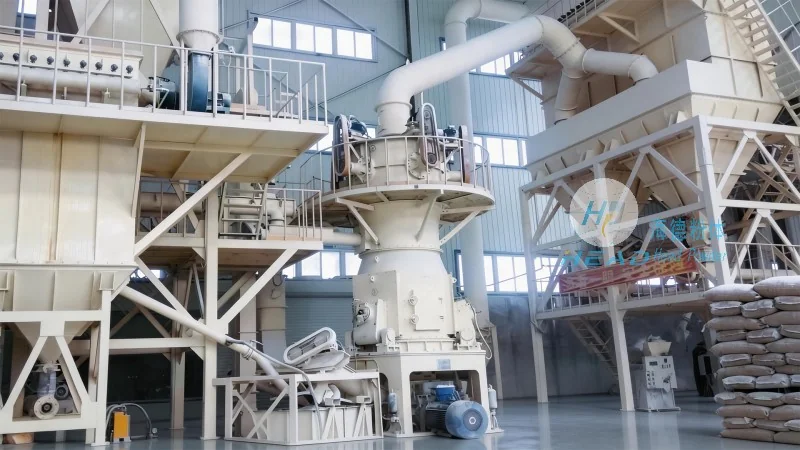
Screw Conveyors
Screw conveyors, also known as auger conveyors, are another effective method for conveying aluminum oxide powder, particularly for short to medium distances and in applications where space is limited. These systems consist of a rotating screw (auger) inside a trough or tube. The screw rotates, pushing the powder forward along the length of the conveyor. Screw conveyors are suitable for handling free-flowing materials and can be used horizontally or at a slight incline. They are relatively simple in design, making them easy to install and maintain. The key advantages of screw conveyors include their ability to handle a wide range of particle sizes, low power consumption, and the fact that they can be integrated with other processing equipment like hoppers and feeders. However, they are not ideal for very fine or abrasive powders, as the screw and trough can wear out quickly, leading to increased maintenance costs and potential product contamination. Additionally, screw conveyors may not be suitable for long-distance transport due to the risk of material bridging and clogging.
Belt Conveyors
Belt conveyors are commonly used in bulk material handling applications, including the transport of aluminum oxide powder. These systems use a continuous belt that moves over rollers or pulleys to transport the material. Belt conveyors are particularly effective for handling larger quantities of material over longer distances and can be configured in various configurations, such as horizontal, inclined, or combination systems. They are known for their high capacity, reliability, and ability to transport materials in an open or enclosed environment. The choice of belt material is critical for aluminum oxide powder, as the belt must be resistant to abrasion and chemical corrosion. Common belt materials include rubber, polyurethane, and special composite materials designed for handling abrasive powders. Belt conveyors offer advantages such as low maintenance, high efficiency, and the ability to integrate with other processing equipment like hoppers and feeders. However, they require regular inspection and maintenance to prevent belt wear and material spillage, and they may not be suitable for very fine powders that can cause dust issues.
Bucket Elevators
Bucket elevators are vertical or inclined conveyors that use a chain or belt with attached buckets to lift and transport aluminum oxide powder. These systems are ideal for moving material vertically or at steep inclines, making them suitable for applications where the material needs to be elevated to a higher level. The buckets are filled with powder at the bottom and then lifted to the top, where the material is discharged. Bucket elevators are known for their high capacity and ability to handle a wide range of materials, including fine powders. They are particularly effective when the material needs to be transported over a significant vertical distance or when space is limited horizontally. The main advantages of bucket elevators include their ability to handle abrasive materials without excessive wear, low power consumption, and the fact that they can be designed to operate in a closed system to control dust. However, they require careful alignment and maintenance to prevent bucket damage and material spillage. Additionally, bucket elevators may not be suitable for very fine powders that can cause the buckets to clog or for long horizontal distances.
Factors Influencing the Choice of Conveying System
The selection of the most appropriate conveying system for aluminum oxide powder depends on several key factors. The first is the particle size and flowability of the material. Fine powders with low flowability may require pneumatic conveying or specialized screw conveyors to prevent clogging. The second factor is the distance and elevation change required. For short horizontal distances, screw or belt conveyors may be sufficient, while for long distances or significant vertical lifts, pneumatic or bucket elevators are more suitable. The third factor is the need for dust control and environmental compliance. Closed systems like pneumatic conveying or enclosed belt conveyors are preferred in applications where dust is a concern. The fourth factor is the available space and budget. Screw conveyors are often more cost-effective for short distances, while pneumatic systems may require higher initial investment but offer better long-term efficiency. Finally, the operational requirements, such as the need for continuous or intermittent operation, also influence the choice of system.
Conclusion
Choosing the right conveying method for aluminum oxide powder is essential for ensuring efficient and reliable material handling. Shandong HeadPowder Engineering Co., Ltd. offers a range of solutions tailored to the specific needs of aluminum oxide powder handling, including pneumatic conveying systems, screw conveyors, belt conveyors, and bucket elevators. By considering factors such as particle size, distance, dust control, and operational requirements, businesses can select the most suitable conveying system to maintain product quality, minimize downtime, and optimize operational costs. Whether you are handling fine aluminum oxide powders for industrial applications or specialized uses, the right conveying system can make a significant difference in your overall process efficiency.




