Understanding the components of a light calcium gas-pneumatic conveying system is essential for those involved in industrial material handling, particularly in processes involving light calcium products. This system efficiently transports light calcium powder through a network of components designed to ensure optimal performance, reliability, and safety. Below is a detailed breakdown of the key components that make up such a system, as provided by Shandong HeadPowder Engineering Co., Ltd., a leading manufacturer in the field.
Core Components of the System
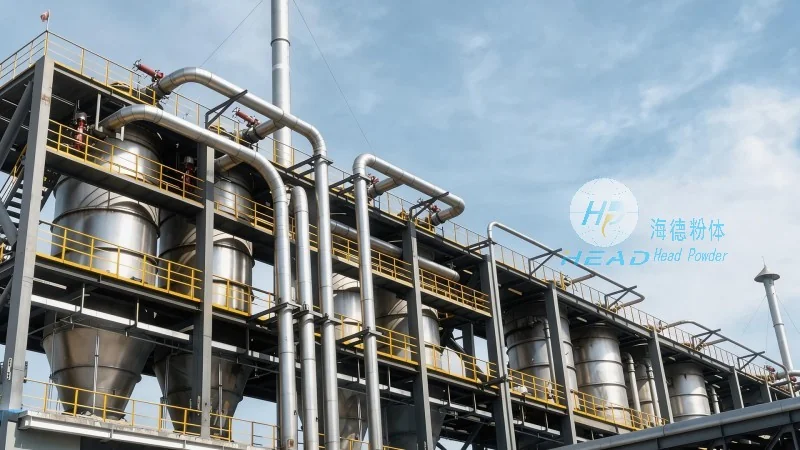
The heart of a light calcium pneumatic conveying system consists of several critical components that work in tandem to move material from the source to the destination. The primary components include the material feeder, the conveying line, and the air compressor. The material feeder is responsible for feeding the light calcium powder into the system at a controlled rate, ensuring a consistent flow that matches the system's capacity. This component is often designed with features like a hopper and a rotary valve to prevent material buildup and maintain a steady feed. The conveying line, typically made of stainless steel or other corrosion-resistant materials, transports the powder through the system. It may include sections such as the vertical or horizontal ducts, bends, and elbows that direct the material along the intended path. The air compressor provides the necessary pressure and airflow to move the light calcium particles through the conveying line. This component is crucial for maintaining the system's efficiency and ensuring that the material is transported without clogging or loss of material.
Supporting Components and Accessories
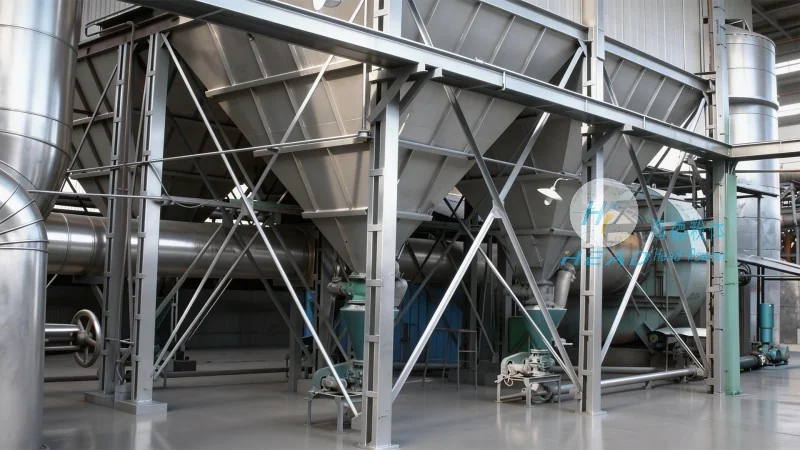
Beyond the core components, several supporting elements are vital for the proper operation and maintenance of a light calcium pneumatic conveying system. These include dust collectors, filters, and pressure regulators. The dust collector is an essential component for maintaining air quality and preventing dust from being released into the environment. It captures the fine particles of light calcium that are carried by the air stream and returns them to the system or stores them for disposal. Filters are used to remove any remaining particles from the air before it is released back into the atmosphere, ensuring compliance with environmental regulations. Pressure regulators help maintain a stable pressure within the system, preventing fluctuations that could affect the conveying efficiency or cause damage to the equipment. Additionally, components like check valves and flow meters may be included to monitor and control the flow of material and air, respectively.
System Integration and Control
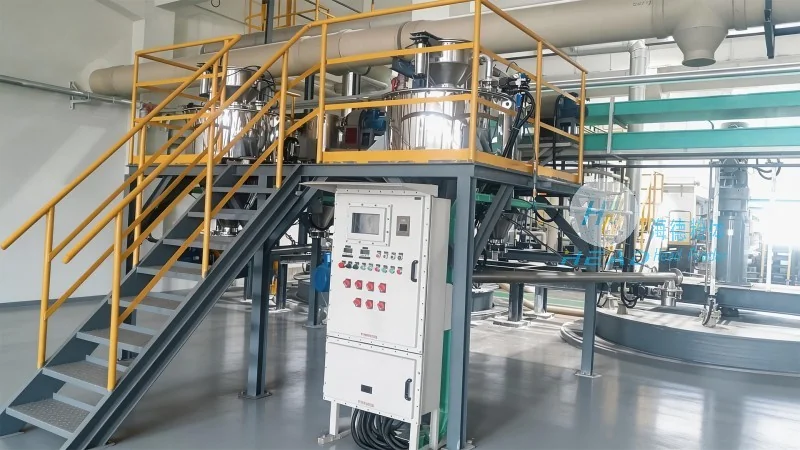
The integration of these components into a cohesive system is managed through control panels and automation systems. The control panel allows operators to monitor the system's performance, adjust settings, and receive alerts in case of any issues. Automation systems can be integrated to control the feeder speed, compressor output, and other parameters based on real-time data, optimizing the system's operation and reducing the need for manual intervention. Proper integration ensures that all components work together seamlessly, maximizing the system's efficiency and minimizing downtime. This level of control is particularly important in industrial settings where consistent and reliable material handling is critical.
Manufacturer's Role and Quality Assurance
Shandong HeadPowder Engineering Co., Ltd., with its brand name "headpowder," specializes in designing and manufacturing high-quality light calcium pneumatic conveying systems. The company's expertise lies in creating customized solutions that meet the specific needs of clients, whether for small-scale or large-scale operations. Their systems are built with durable materials and advanced technology to ensure long-term performance and reliability. Quality assurance is a top priority at HeadPowder, with rigorous testing and inspection processes applied to every component and the final system. This commitment to quality ensures that clients receive systems that are efficient, safe, and compliant with industry standards. The company's location in Shandong, China, provides access to a skilled workforce and advanced manufacturing facilities, enabling them to deliver products that meet global standards.




