Barite, a heavy mineral utilized in various industrial applications, requires efficient and reliable transportation methods to ensure it reaches its destination without loss or damage. For businesses in the mining and processing sectors, understanding the available barite transportation options is crucial for optimizing operations and maintaining product quality. This article explores the primary methods used for barite transportation, highlighting the advantages and considerations of each approach.
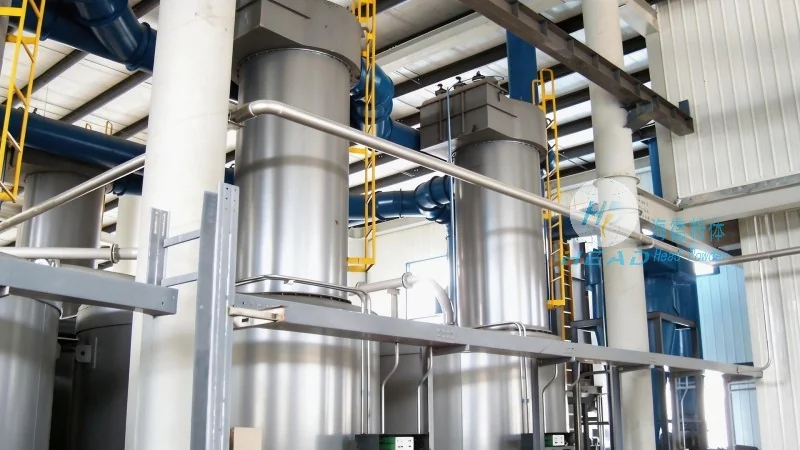
About HeadPowder: Your Partner in Barite Handling
HeadPowder, a leading provider of barite processing and handling solutions, is committed to supporting industries that rely on this essential mineral. With operations based in Shandong, China, HeadPowder Engineering Co., Ltd. offers expertise in the entire lifecycle of barite—from extraction to transportation. The company’s dedication to quality and efficiency makes it a trusted partner for businesses seeking to streamline their barite supply chains.
Key Considerations for Barite Transportation
Before selecting a transportation method, it is essential to consider several factors that can impact the efficiency and safety of the process. These include the distance of the transport, the volume of barite being moved, the required speed of delivery, and the environmental regulations in the region. Each of these factors will influence the choice of equipment and the overall logistics plan. For instance, short-distance transport within a mining site may use conveyor belts, while long-distance transport to industrial centers may rely on trucks or rail.
Pipeline Transportation: A High-Capacity Solution
Pipeline transportation is a highly efficient method for moving large volumes of barite, particularly when the distance is significant and the material is in a slurry form. This method involves pumping the barite slurry through a network of pipes, which can be laid underground or above ground. The primary advantage of pipeline transport is its ability to move large quantities of material continuously without the need for intermediate handling. This reduces labor costs and minimizes the risk of material spillage or contamination. However, pipeline systems require substantial upfront investment in infrastructure, including the construction of pipelines and pumping stations. Additionally, they are less flexible than other methods, as once installed, the route is fixed and cannot be easily changed.
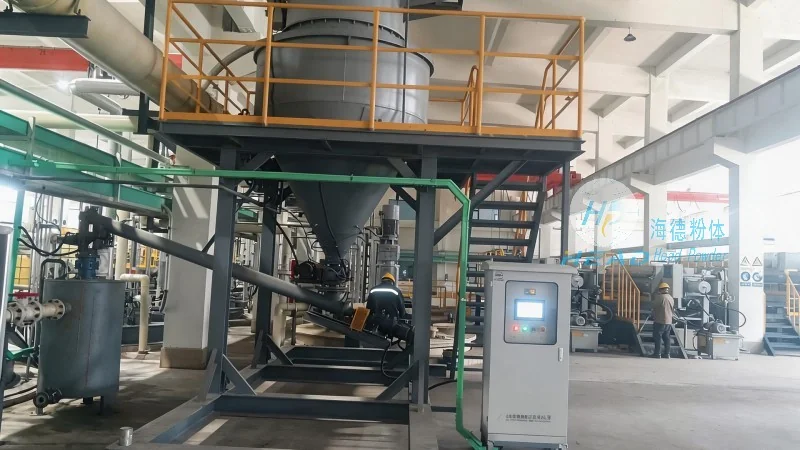
Conveyor Belt Systems: Ideal for In-Site and Short-Distance Transport
Conveyor belts are a common and effective method for transporting barite within mining operations or between processing facilities. These systems consist of a continuous loop of belt material supported by rollers, which moves the barite from one location to another. Conveyor belts are particularly suitable for transporting barite in bulk, as they can handle large volumes of material with minimal labor. They are also relatively low-cost to install and maintain compared to other methods. The main advantage of conveyor belts is their ability to transport material over relatively short distances with high efficiency. However, they are not suitable for long-distance transport, as the cost and complexity of the system increase significantly with distance. Additionally, conveyor belts may not be suitable for transporting barite in a wet or slurry form, as the material can cause the belt to slip or become damaged.
Truck Transportation: Flexible and Versatile for Short to Medium Distances
Truck transportation is a flexible and widely used method for moving barite over short to medium distances. This method involves loading the barite into bulk trucks, which then transport it to the destination. The primary advantage of truck transport is its flexibility, as trucks can travel to various locations and adapt to changing delivery schedules. This makes it ideal for transporting barite to industrial plants or ports for further processing. Truck transport is also relatively low-cost compared to other methods, especially for short distances. However, it has limitations in terms of volume and speed. Trucks can only carry a limited amount of material at a time, and the delivery time may be longer compared to other methods. Additionally, truck transport may be affected by traffic conditions and road restrictions, which can impact the overall efficiency of the process.
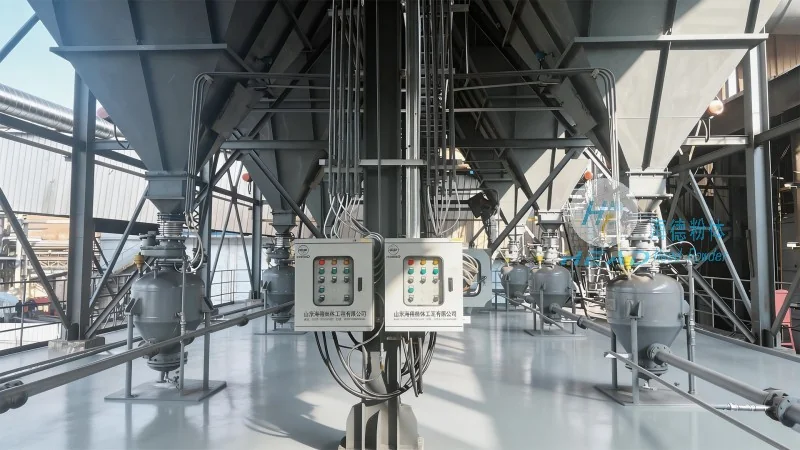
Railway Transportation: Cost-Effective for Long-Distance Bulk Transport
Railway transportation is a cost-effective method for moving large volumes of barite over long distances. This method involves loading the barite into railcars, which are then transported by trains. The primary advantage of railway transport is its ability to move large quantities of material over long distances at a relatively low cost. This makes it ideal for transporting barite from mining sites to processing facilities or ports. Railway transport is also less affected by traffic conditions compared to truck transport, as trains can travel on dedicated tracks. However, railway systems require significant infrastructure investment, including the construction of rail lines and loading facilities. Additionally, the flexibility of railway transport is limited, as the route is fixed and cannot be easily changed.
Choosing the Right Barite Transportation Method
When selecting a barite transportation method, it is essential to consider the specific needs of the business. The choice of method will depend on factors such as the distance of the transport, the volume of barite being moved, the required speed of delivery, and the environmental regulations in the region. For short-distance transport within a mining site, conveyor belts may be the most efficient option. For medium-distance transport, truck transport may be suitable. For long-distance transport, pipeline or railway systems may be more cost-effective. It is also important to consider the cost of infrastructure, maintenance, and labor when evaluating the different options. By carefully evaluating these factors, businesses can select the most appropriate barite transportation method to optimize their operations and ensure the safe and efficient delivery of their product.
Conclusion
Efficient barite transportation is critical for businesses that rely on this essential mineral. The choice of transportation method will depend on various factors, including distance, volume, and cost. Pipeline, conveyor belt, truck, and railway systems are all viable options, each with its own advantages and limitations. By understanding the specific needs of their operation, businesses can select the most appropriate method to ensure the safe and efficient delivery of their barite. HeadPowder Engineering Co., Ltd., with its expertise in barite processing and handling, can provide valuable guidance and support in selecting the right transportation method for their needs.




