Sodium hypochlorite, a widely used chemical in various industries, often requires efficient and safe transportation methods. Pneumatic conveying systems offer a reliable solution for handling this chemical, ensuring minimal exposure and optimal performance. This article explores the different types, key characteristics, and application ranges of sodium hypochlorite pneumatic conveying systems, providing insights into their operational advantages and industrial relevance.
Types of Sodium Hypochlorite Pneumatic Conveying Systems
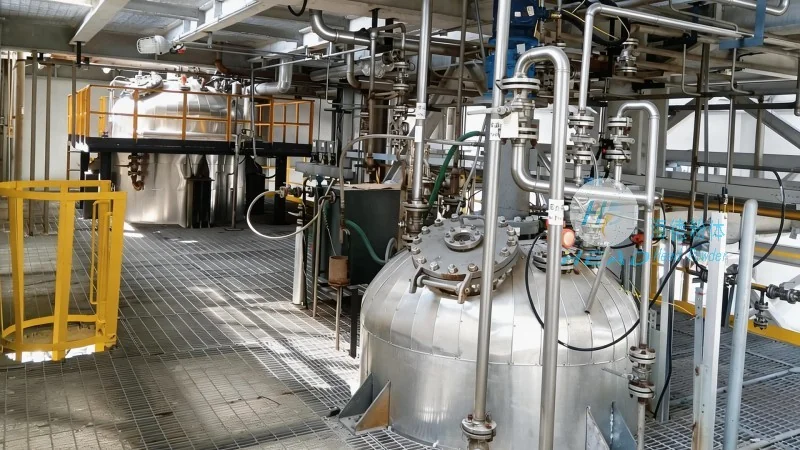
There are primarily two main types of pneumatic conveying systems used for sodium hypochlorite: dilute-phase and dense-phase systems. Dilute-phase systems operate by transporting the material in a low concentration of particles suspended in air, typically at high velocities. This method is suitable for short to medium distances and low to moderate material loads. Dense-phase systems, on the other hand, transport the material in a higher concentration, often with lower air velocities, which is ideal for longer distances and higher material loads. Both systems have their specific applications and operational parameters that influence their suitability for different industrial processes.
Key Features of Sodium Hypochlorite Pneumatic Conveying Systems
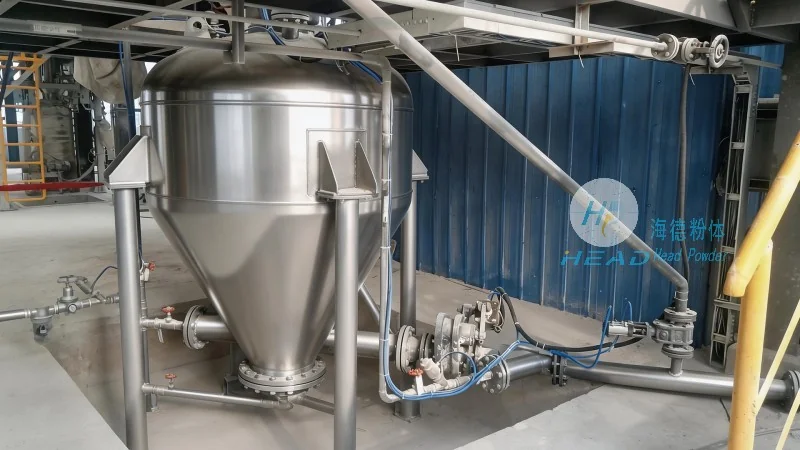
Several key features distinguish effective sodium hypochlorite pneumatic conveying systems. First, the systems are designed to handle the corrosive nature of sodium hypochlorite, using materials such as stainless steel or specialized coatings to prevent degradation and ensure durability. Second, they incorporate advanced control mechanisms to regulate air flow, pressure, and material feed rates, maintaining consistent performance and preventing overloading or underloading. Third, safety features are integral, including explosion-proof designs and leak detection systems, to mitigate risks associated with the chemical's reactivity. Additionally, the systems are engineered for low maintenance, with easy access to components for cleaning and inspection, ensuring long-term operational efficiency.
Application Ranges of Sodium Hypochlorite Pneumatic Conveying Systems
Sodium hypochlorite pneumatic conveying systems find applications across multiple industries, including water treatment, textile, paper, and food processing. In water treatment facilities, these systems efficiently transport sodium hypochlorite to disinfection units, ensuring consistent dosing and maintaining water quality standards. The textile industry utilizes them for processing bleaching agents, where precise control over the chemical's delivery is critical to product quality. In the paper industry, the systems aid in the treatment of pulp and paper products, enhancing the effectiveness of bleaching processes. The food processing sector also benefits from these systems, particularly in the production of disinfectants and sanitizers, where safety and hygiene are paramount. Each application leverages the system's ability to handle the chemical in a controlled manner, minimizing environmental impact and ensuring compliance with regulatory standards.
About Shandong HeadPowder Engineering Co., Ltd.
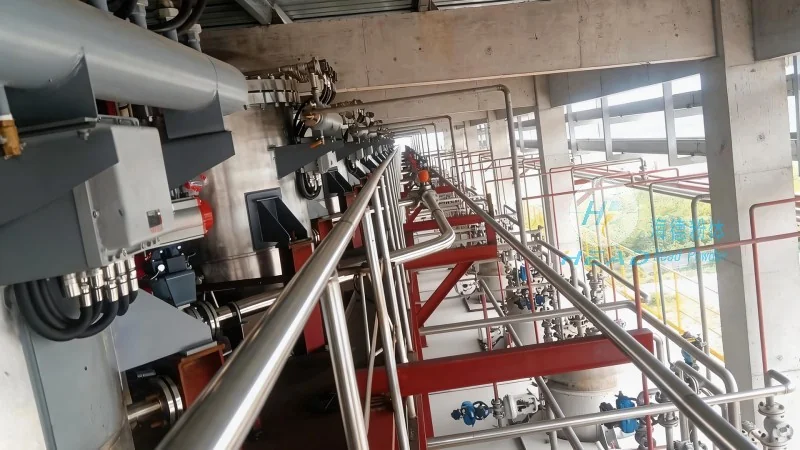
Shandong HeadPowder Engineering Co., Ltd., operating under the brand name headpowder, specializes in the design, manufacturing, and installation of advanced pneumatic conveying systems. With a focus on innovation and quality, the company has established itself as a leading provider in the chemical handling industry. HeadPowder's expertise lies in developing customized solutions tailored to the specific needs of clients, ensuring optimal performance and reliability. The company's facilities are located in Shandong, China, where it leverages local resources and expertise to deliver high-quality products and services. Clients benefit from HeadPowder's commitment to excellence, as evidenced by its adherence to industry standards and customer satisfaction.




