Shandong HeadPowder Engineering Co., Ltd., commonly known as HeadPowder, is a professional manufacturer specializing in industrial conveying systems for various materials, including pearl salt powder. The company is based in Shandong, China, and has established itself as a trusted provider of efficient and reliable conveying solutions for processing plants and industrial facilities. With a focus on innovation and customer satisfaction, HeadPowder offers a range of conveying methods designed to handle the unique characteristics of pearl salt powder, such as its fine particle size and potential for caking or bridging. Understanding the different conveying options available is crucial for selecting the most suitable system for a specific application, and this article provides an overview of the key methods used in the industry.
Overview of Conveying Systems for Pearl Salt Powder
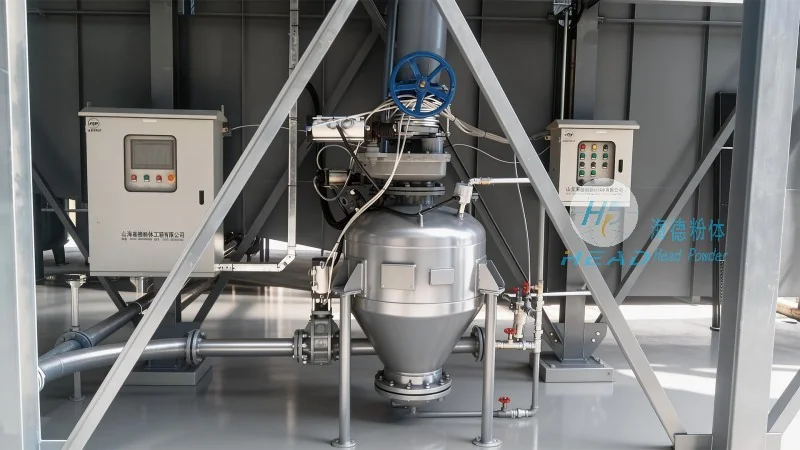
Conveying systems for pearl salt powder typically aim to maintain product integrity, minimize dust generation, and ensure consistent flow rates. The choice of system depends on factors like the volume of material to be moved, the distance over which it needs to be transported, and the environmental conditions of the facility. Common methods include mechanical conveyors, pneumatic systems, and hybrid solutions that combine both approaches.
1. Screw Conveyors for Pearl Salt Powder
Screw conveyors, also known as auger conveyors, are widely used for the horizontal or slight incline transport of pearl salt powder. These systems consist of a rotating screw (auger) inside a U-shaped or cylindrical housing. As the screw rotates, it pushes the material forward, providing a continuous and controlled flow. Screw conveyors are particularly effective for handling dry, free-flowing powders and are often used in processing plants where space is limited. They are also relatively low-cost and easy to install, making them a popular choice for many applications. The design of the screw, including its pitch and diameter, can be customized to optimize the conveying efficiency for specific types of pearl salt powder. For instance, a steeper pitch may be used to increase the conveying speed for lighter materials, while a shallower pitch is suitable for heavier or more cohesive powders to prevent overloading.
2. Pneumatic Conveying Systems
Pneumatic conveying systems use air or other gases to transport pearl salt powder through a pipeline. These systems are ideal for applications requiring long-distance or vertical transport, as they can move material over significant distances without the need for multiple transfer points. There are two main types of pneumatic conveying: pressure and vacuum systems. Pressure systems force air and material through the pipeline using a positive pressure source, such as a blower or compressor. Vacuum systems, on the other hand, create a negative pressure to draw the material into the pipeline. Pneumatic conveying is particularly effective for handling fine powders that are prone to dust and caking, as the enclosed pipeline prevents contamination and dust dispersion. However, it requires careful control of air pressure and flow rates to ensure consistent material transport and avoid blockages or pressure drops. The selection of the appropriate pneumatic conveying system depends on the specific characteristics of the pearl salt powder, including its particle size distribution and moisture content.
3. Bucket Elevators for Vertical Transport
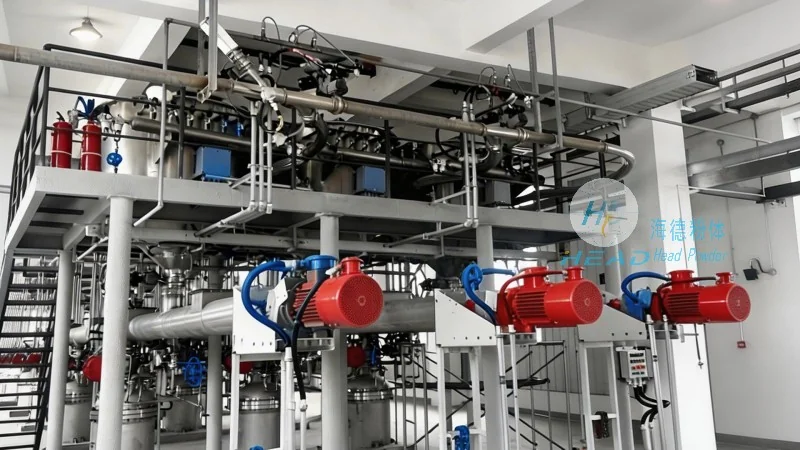
For vertical transport of pearl salt powder, bucket elevators are commonly employed. These systems consist of a continuous belt or chain with attached buckets that move vertically between two hoppers. As the buckets ascend, they pick up the material from the lower hopper and discharge it into the upper hopper at the top of the elevator. Bucket elevators are highly efficient for vertical conveying and can handle large volumes of material with minimal space requirements. They are particularly suitable for applications where the material needs to be lifted to a significant height, such as in storage silos or processing facilities. The design of the bucket elevator, including the bucket spacing and belt speed, can be optimized to prevent material spillage and ensure smooth operation. Bucket elevators are also capable of handling abrasive or cohesive materials, making them a versatile choice for various industrial applications.
4. Belt Conveyors for Bulk Material Handling
Belt conveyors are another common method for transporting pearl salt powder, especially in bulk handling operations. These systems use a continuous belt that moves over rollers or pulleys to transport the material horizontally or at a slight incline. Belt conveyors are highly effective for moving large quantities of material over long distances and are often used in conjunction with other equipment, such as feeders or screens. They are particularly suitable for handling free-flowing powders that do not require high precision in the conveying process. The design of the belt conveyor, including the belt width, speed, and inclination angle, can be customized to meet the specific requirements of the application. For instance, a wider belt may be used to handle larger volumes of material, while a steeper inclination angle can increase the conveying speed for lighter powders. Belt conveyors are also relatively low-maintenance and can be integrated with other processing equipment to form a complete material handling system.
5. Hybrid Conveying Solutions
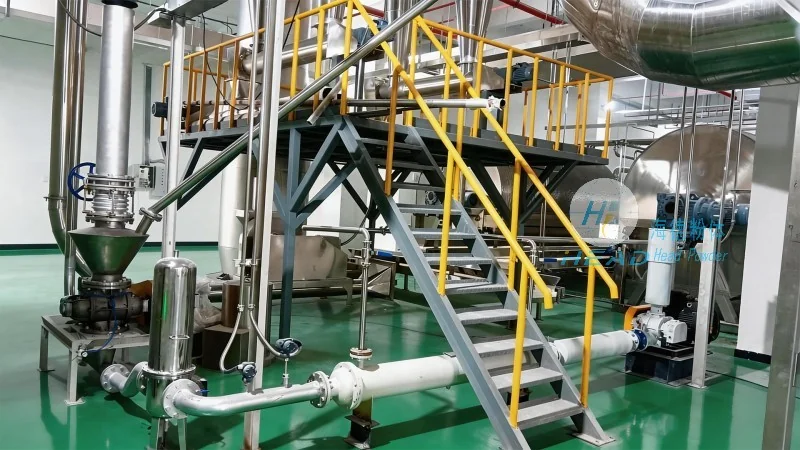
In some cases, a combination of mechanical and pneumatic systems may be used to create hybrid conveying solutions for pearl salt powder. These systems often involve using a screw conveyor or belt conveyor to move the material over short distances and then transferring it to a pneumatic system for longer or vertical transport. Hybrid solutions can provide the benefits of both mechanical and pneumatic systems, such as efficient horizontal transport and reliable vertical or long-distance movement. They are particularly useful in complex processing plants where different sections of the facility require different types of conveying equipment. The integration of mechanical and pneumatic components in a hybrid system requires careful design and control to ensure smooth operation and prevent material blockages or pressure drops. Hybrid conveying solutions are often chosen when the application involves a combination of horizontal, vertical, and long-distance transport requirements.
Key Considerations for Selecting a Conveying Method
When selecting a conveying method for pearl salt powder, several factors must be considered to ensure optimal performance and efficiency. The first consideration is the physical properties of the material, including its particle size, density, and moisture content. These properties affect the flow characteristics and the likelihood of caking or bridging, which can impact the choice of system. For example, fine powders with high moisture content may require a pneumatic system to prevent blockages, while coarser materials may be better suited for mechanical conveyors. The second consideration is the distance and direction of transport. Horizontal or slight incline transport may be handled by screw or belt conveyors, while vertical or long-distance transport may require pneumatic systems or bucket elevators. The third consideration is the environmental conditions of the facility, including dust control and space constraints. Mechanical systems like screw or belt conveyors are often preferred in environments where dust generation needs to be minimized, as they operate in enclosed or semi-enclosed housings. The fourth consideration is the cost and maintenance requirements of the system. Mechanical systems are generally lower-cost and easier to maintain, while pneumatic systems may require more frequent maintenance of air compressors and filters. By carefully evaluating these factors, industrial facilities can select the most appropriate conveying method for their specific needs.
Conclusion
Efficient and reliable conveying of pearl salt powder is essential for the smooth operation of processing plants and industrial facilities. Various methods, including screw conveyors, pneumatic systems, bucket elevators, and belt conveyors, are available to handle the unique characteristics of this material. The choice of system depends on factors such as the volume of material, the distance and direction of transport, and the environmental conditions of the facility. By understanding the advantages and limitations of each method, industrial operators can select the most suitable conveying system to ensure consistent material flow, maintain product integrity, and minimize operational costs. As technology advances, new and improved conveying systems continue to be developed, offering even more efficient and effective solutions for the transportation of pearl salt powder.




